GenericVilla.com - Your Trusted Guide to Pharmaceuticals - Page 4
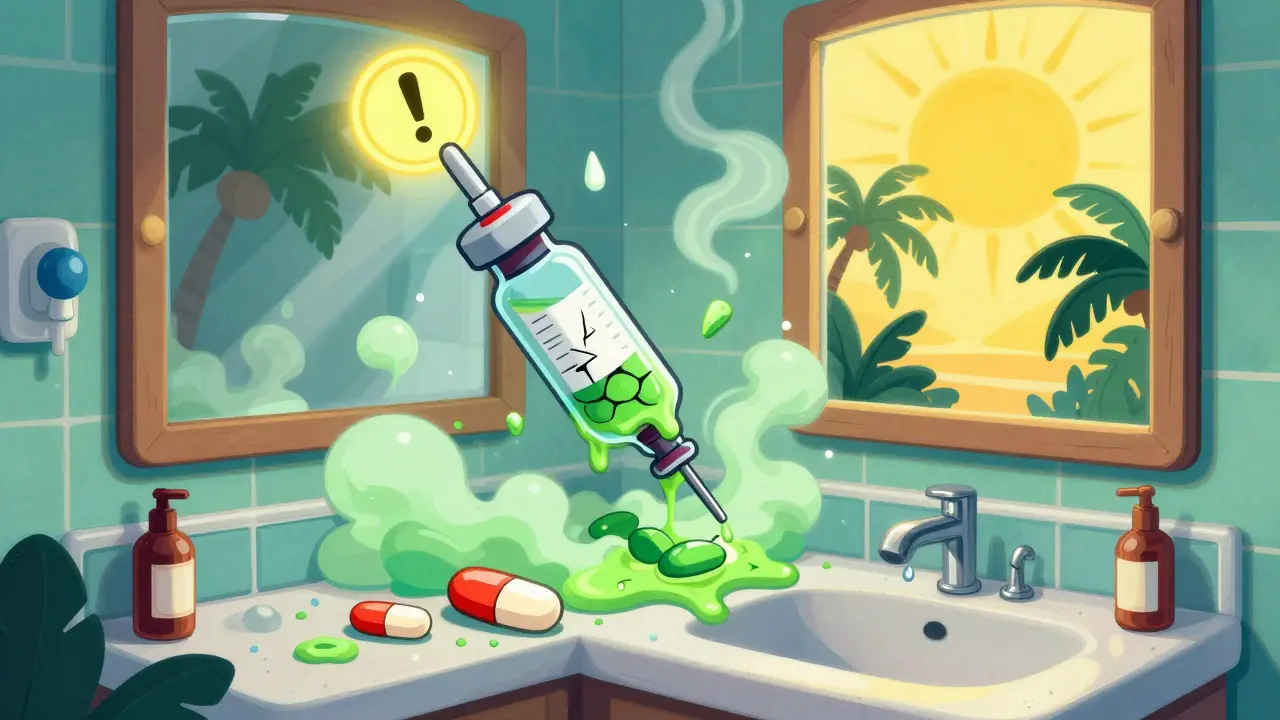
Heat and humidity can make your medicine lose potency long before its expiration date. Learn which drugs are most at risk and how to store them safely to avoid dangerous side effects or treatment failure.
View Details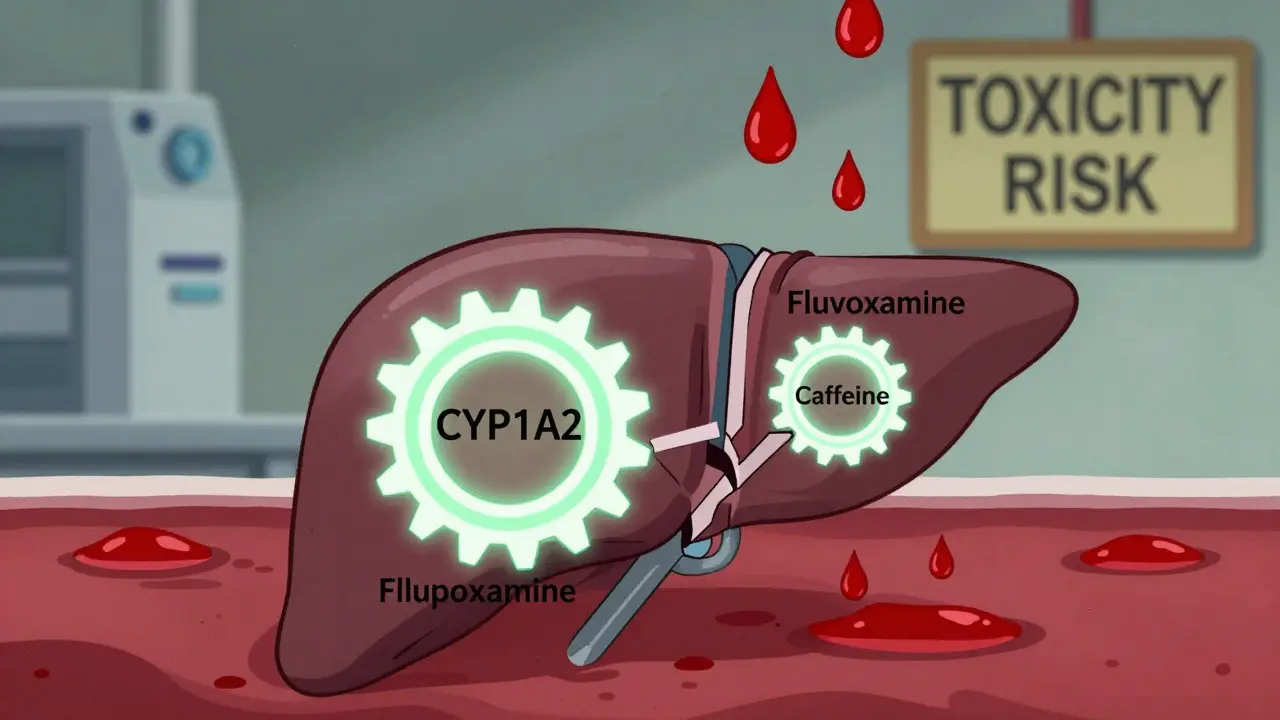
Theophylline remains a vital but risky treatment for asthma and COPD. Certain medications can dangerously reduce its metabolism, leading to life-threatening toxicity. Learn which drugs to avoid and how to stay safe.
View Details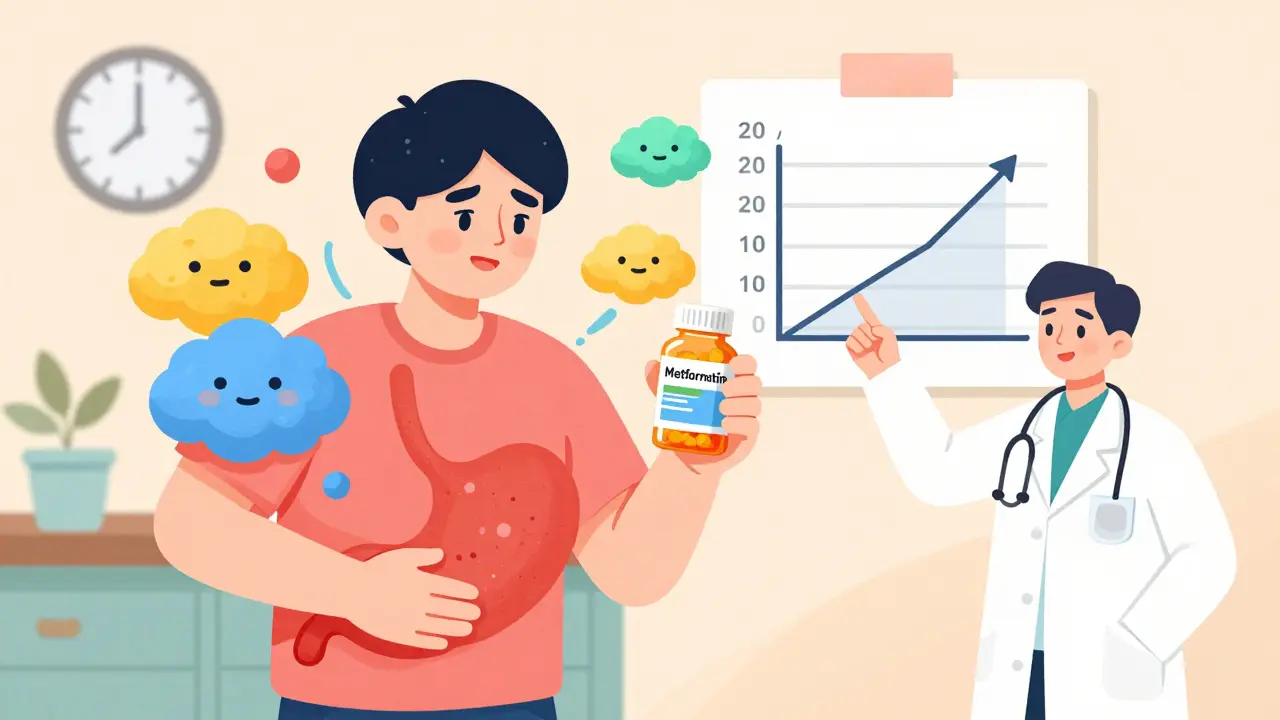
Learn what to expect from common diabetes medications like metformin, insulin, GLP-1 agonists, and SGLT2 inhibitors-including their side effects, how to manage them, and how to choose what’s right for you.
View Details
The Medicare Drug Price Negotiation Program lets the government negotiate lower drug prices for seniors. Starting in 2026, drugs like Eliquis and Xarelto will have discounts up to 79%. This saves billions for Medicare and patients. Private insurers may also benefit from lower prices. Learn how it all works.
View Details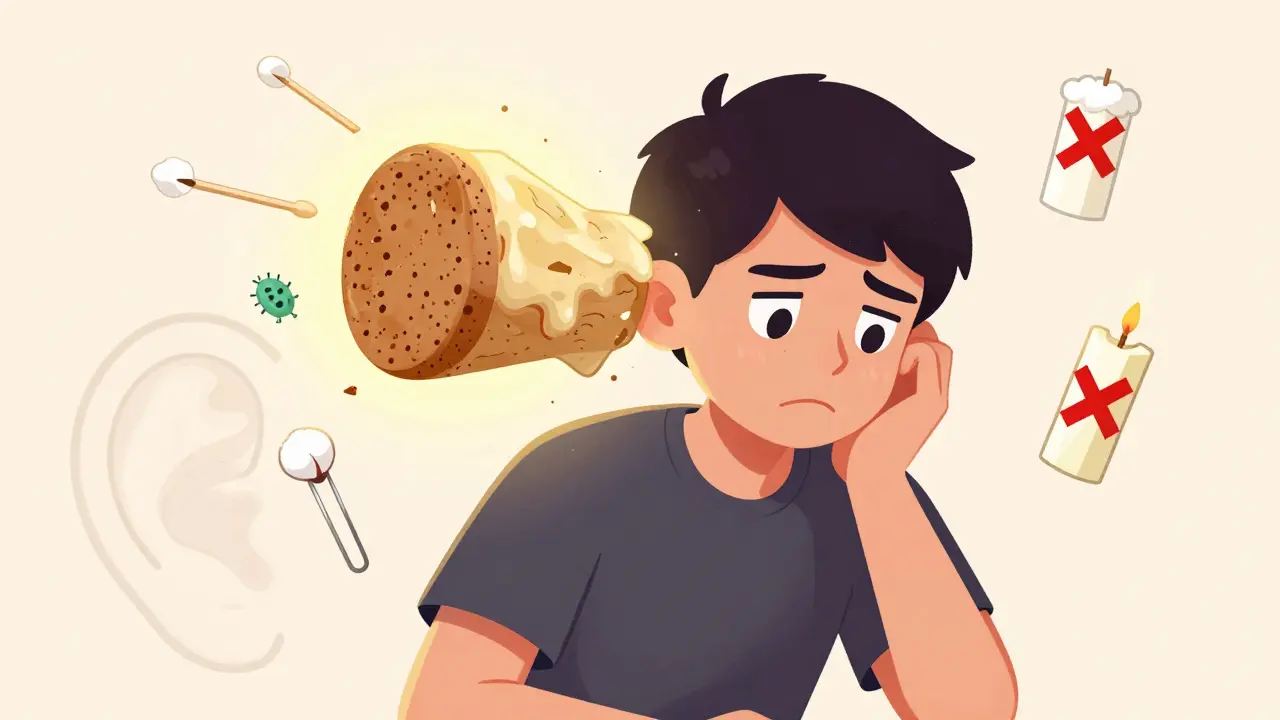
Earwax impaction causes hearing loss, ear pain, and dizziness. Learn how to recognize symptoms, why cotton swabs make it worse, and the safest ways to remove impacted cerumen-with doctor-approved methods and what to avoid.
View Details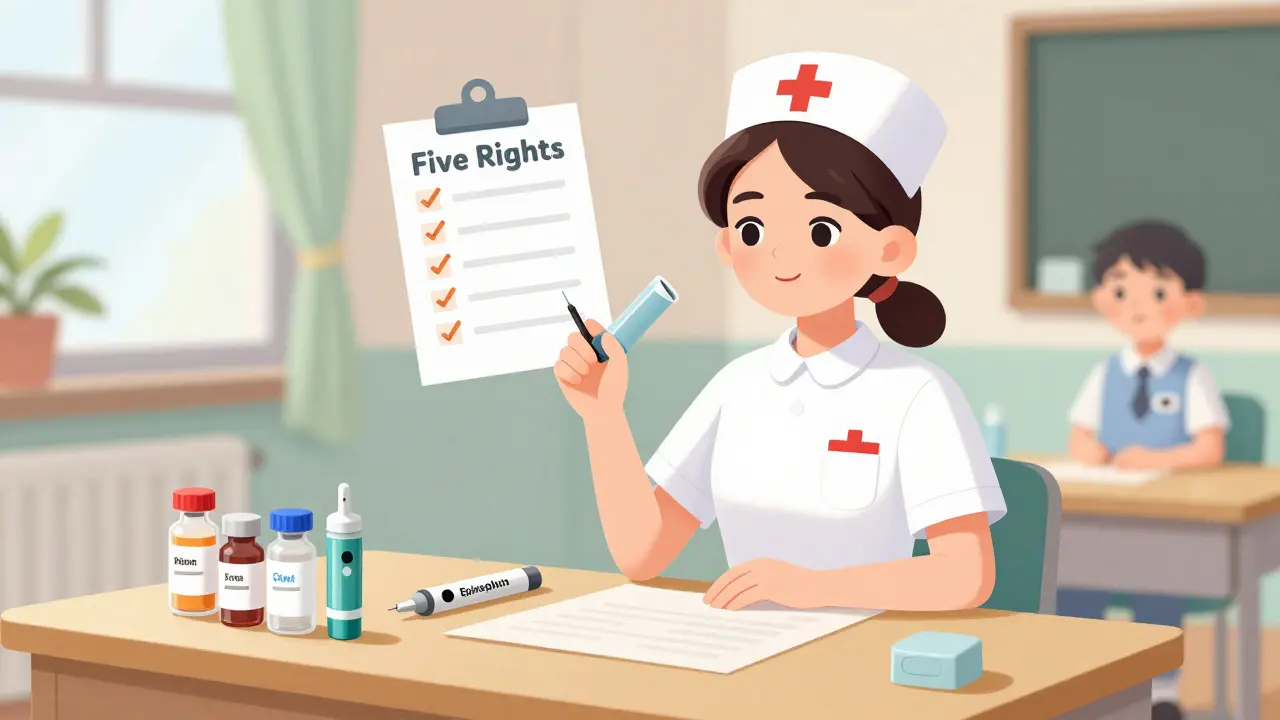
Learn how school nurses safely coordinate daily pediatric medications using the Five Rights, IHPs, and delegation protocols. Essential for parents, educators, and school staff.
View Details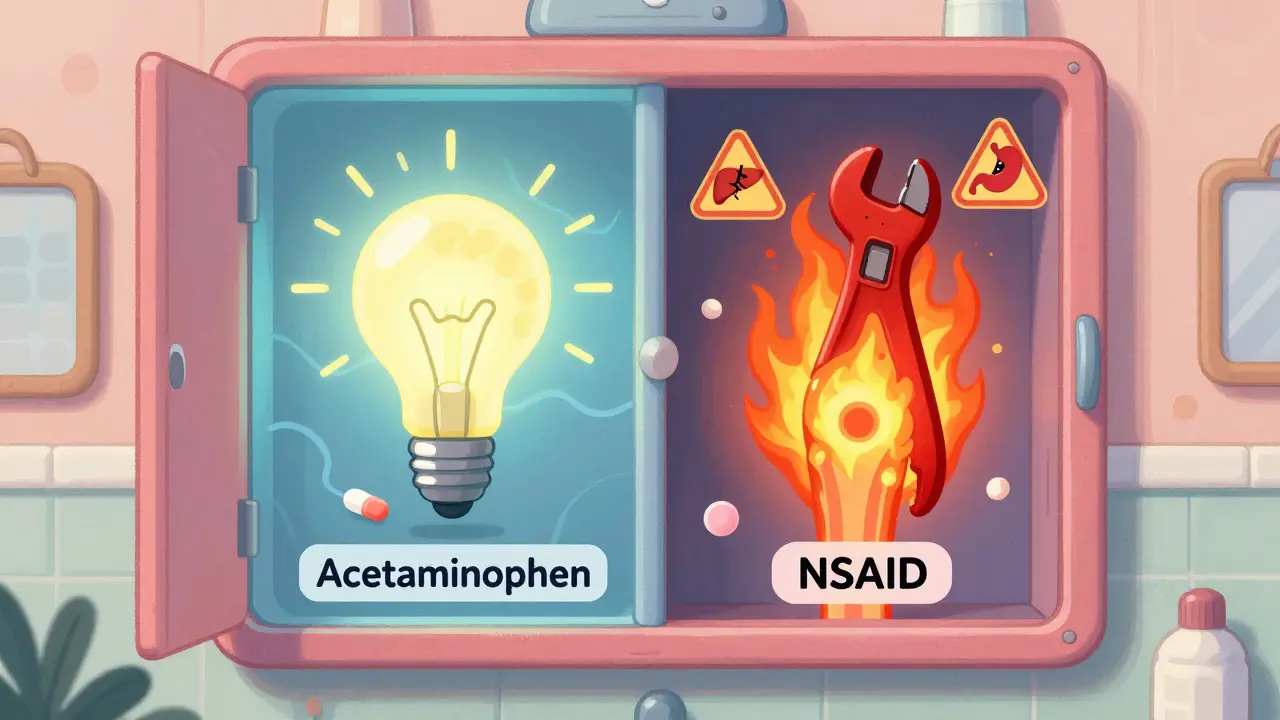
Learn how to choose between acetaminophen and NSAIDs like ibuprofen for pain relief. Understand their differences, risks, and when to use each one safely.
View Details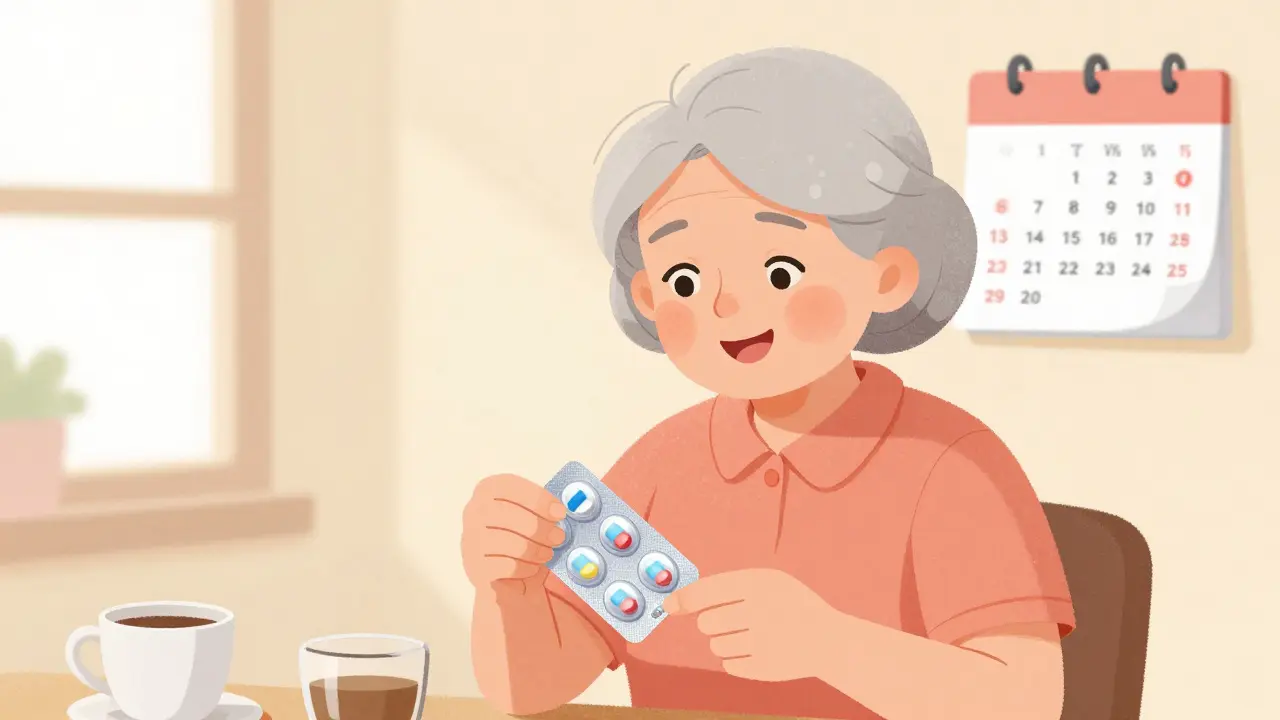
Blister packs and pill organizers help prevent dangerous medication mistakes by simplifying dosing schedules. Learn how each works, which is better for safety, and how to use them correctly to avoid overdoses and missed doses.
View Details
Learn how to safely use common OTC medications like NSAIDs, acetaminophen, and antihistamines - including dosing limits, hidden risks, and what to avoid mixing. Know what you're really taking.
View Details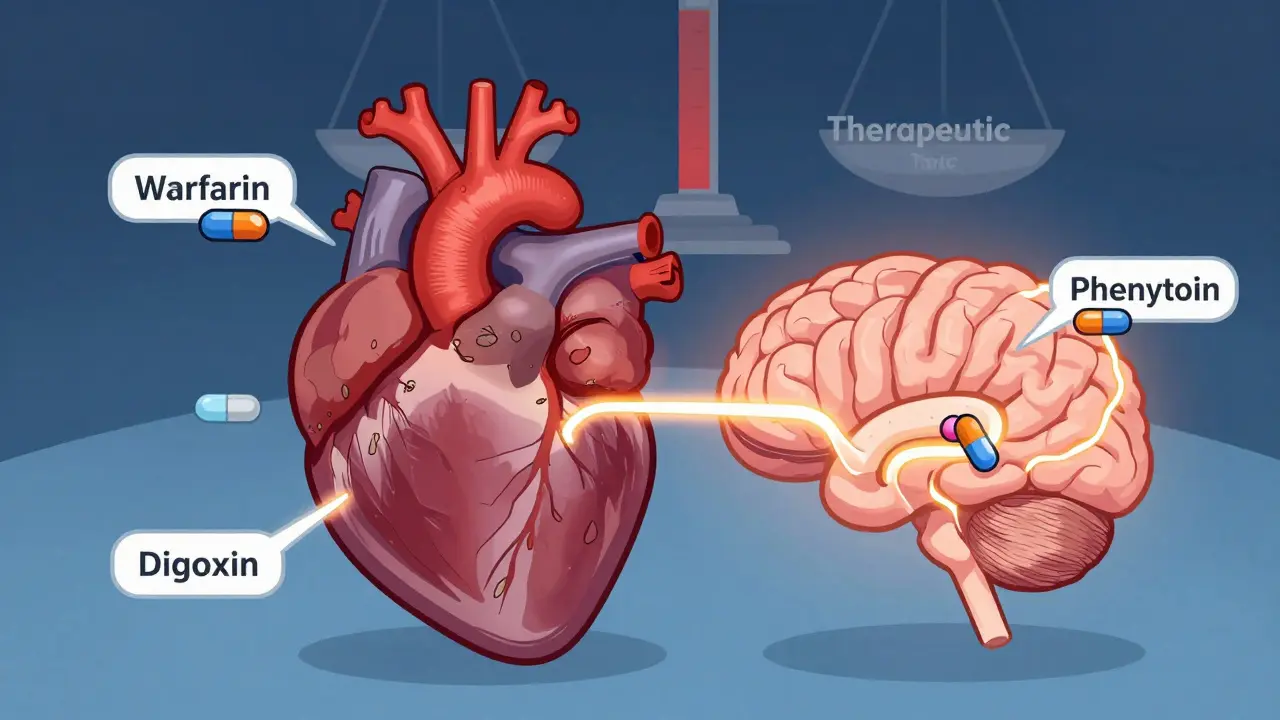
The FDA enforces stricter bioequivalence rules for NTI drugs like warfarin, digoxin, and phenytoin, requiring tighter potency limits and variability controls to ensure patient safety. Learn how these standards differ from regular generics.
View Details