
Every year, thousands of people experience preventable medication issues within their local clinics. It is unsettling to realize that mistakes can happen even during routine check-ups. Yet, speaking up remains one of the most powerful tools you have. Research indicates that over 80% of adverse drug events could have been avoided if frontline concerns were raised earlier. By understanding the exact process for reporting a safety concern, you protect yourself and help improve care for everyone who visits your doctor.
Reporting a medication error is not about blaming individuals; it is about fixing systems. When you report a concern internally to your clinic first, you trigger immediate corrective actions that external agencies cannot provide quickly. In many cases, clinics have specific officers dedicated to safety who can adjust protocols within days rather than months. This guide walks you through exactly how to document, communicate, and follow up on these critical safety signals effectively.
Why Internal Clinic Reporting Matters Most
Medication Safety Reporting is the formal process of documenting potential errors or near-misses directly to the healthcare provider responsible for your care. Unlike national databases that track trends over years, internal reports allow for instant risk mitigation.The primary benefit of notifying your clinic immediately is speed. If a prescription label was misprinted or a dosage instruction was unclear, an external regulator won't fix your specific bottle tomorrow. The clinic, however, can swap that bottle today. According to data from major safety institutes, facilities with robust internal reporting mechanisms see a significant reduction in medication errors-up to 30% lower rates compared to clinics without these systems.
This approach operates under a concept known as "Just Culture." Instead of looking for someone to blame, the organization looks for what went wrong in the workflow. For example, if two medications look identical on the shelf (known as look-alike sound-alike drugs), a good safety system will separate them physically. Your report provides the data point that highlights this specific hazard. It transforms your bad experience into a lesson that prevents a future patient from suffering the same issue.
You might wonder why you shouldn't skip straight to government regulators. While agencies like the Therapeutic Goods Administration (TGA) in Australia or the FDA in the US handle product recalls, they cannot intervene in the day-to-day operations of your family practice. Internal reporting closes the loop locally. It ensures the prescribing doctor knows about the confusion and can explain the correct path forward personally.
Gathering Evidence Before You Speak Up
Walking into a clinic to file a complaint can feel intimidating. Preparation is the best way to manage that anxiety. Before you schedule the meeting or call the front desk, gather the physical proof related to the concern. This helps move the conversation from "I think something went wrong" to "Here is exactly what happened."
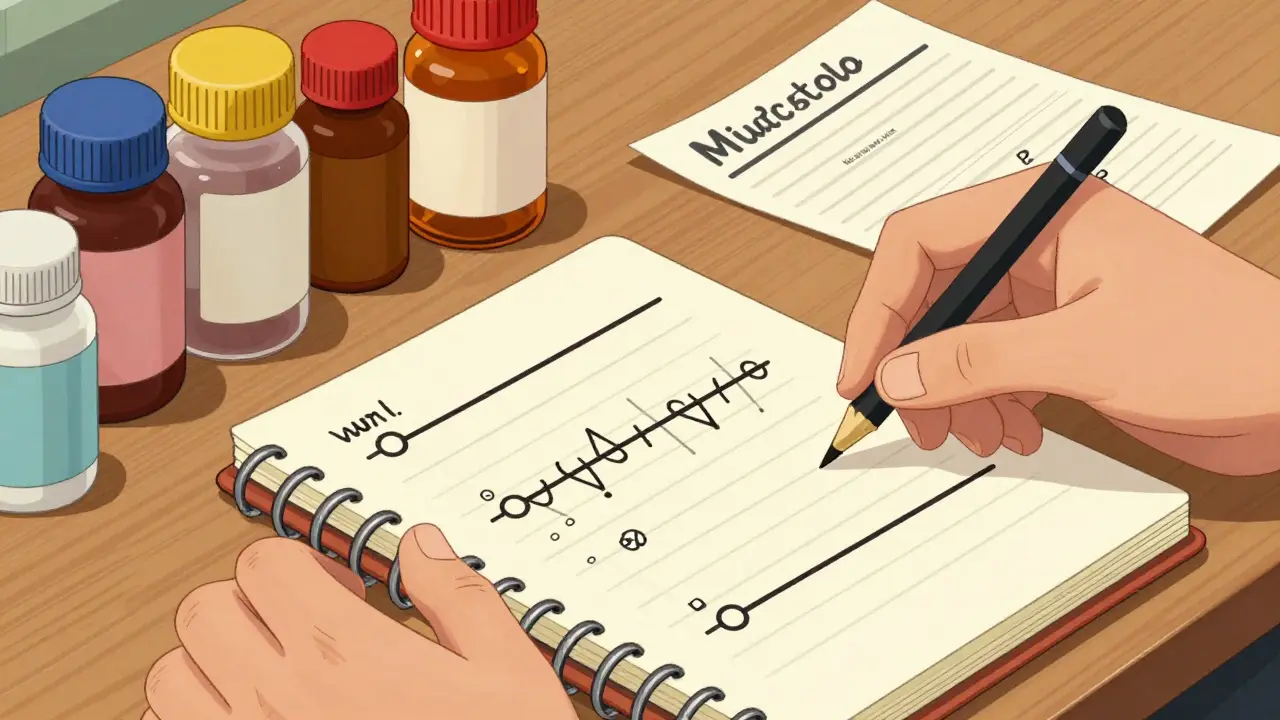
Start with the packaging. Keep the original box and the remaining pills in their bottle. Note the batch number printed on the side of the container. This small code allows pharmacists to trace the manufacturing run if a defect exists. Write down the specific name of the medication, the dose you were prescribed, and the dose you actually received. If you took a different amount, log exactly what you took and at what time.
Next, document the timeline. When did you pick up the script? When did you first notice the discrepancy? If you experienced symptoms like dizziness or nausea, record those dates alongside your medication intake. Detailed logs help safety officers distinguish between a systemic error and an isolated incident. Photos of the pharmacy label versus the doctor's referral slip can serve as undeniable visual evidence for the review team.
Electronic Health Record is a digital version of a patient's paper chart used by clinics to store prescriptions and visit history. Your information should ideally exist here.Knowing that your information lives in a digital system helps when you report an error. Clinics use these platforms to cross-reference your allergies and existing conditions against the new prescription. When you report a discrepancy, they can compare your physical notes against the data in their system. This comparison often reveals whether the mistake happened during the writing of the order or the dispensing of the pill.
The Step-by-Step Reporting Process
Once you have gathered your materials, the actual reporting process follows a predictable path in most modern clinics. You do not need to know complex regulatory codes to get started. Simply ask to speak with the person in charge of quality improvement or patient safety.
- Contact the Front Desk: Call the clinic during business hours. Politely state that you need to file a formal medication safety report. Ask specifically for the Patient Safety Officer or the Practice Manager. Avoid trying to resolve complex disputes with reception staff who may lack the authority to investigate.
- Request the Incident Report Form: Most accredited clinics require a written submission to document the event. Ask if you can fill this out onsite or receive a copy via email. Ensure the form captures the NCC MERP severity index, a scale that rates how serious the error was.
- Submit Your Documentation: Attach your photos and logs to the electronic submission. Most clinics now utilize integrated safety modules within their management software, meaning your report goes directly into a secure database designed for analysis.
- Get a Confirmation Number: Every submitted report should generate a unique tracking ID. Without this number, it becomes difficult to follow up later. Verify you have this ID before leaving the office or hanging up the phone.
- Request a Timeline: Ask clearly when you can expect feedback. Regulations often mandate acknowledgment within 24 hours and a preliminary review within 72 hours. Set expectations early so you aren't left waiting indefinitely.
During this process, remember that your rights are protected. Privacy laws like HIPAA in the US or privacy principles in Australia ensure your personal health data remains confidential during safety investigations. The goal of the report is to fix the problem, not to punish the patient or expose your private medical history unnecessarily.
What Happens After You Submit
Submitting the form is just the beginning. The clinic enters a phase of investigation often called root cause analysis. They will interview staff involved in the medication chain-the prescriber, the dispenser, and the administrator-to reconstruct the events. This process usually takes a few weeks for full closure, though immediate risks are addressed sooner.
Patient Safety Officer is a designated role within a healthcare facility mandated to oversee safety protocols and investigate incidents. In large practices, this is a permanent role; in smaller ones, a senior nurse may act in this capacity.You should expect to hear back regarding the outcome. High-performing clinics provide feedback explaining what changes they made based on your report. Did they relabel bottles? Did they install new checks in the computer system? Knowing these adjustments validates your effort and ensures you haven't spoken into a void.
If the investigation finds a serious system flaw, they might need to inform other patients who had similar prescriptions. While clinics cannot share your identity due to confidentiality, they may send alerts to affected groups. If the error caused you physical harm, this step is crucial for your own monitoring. Follow-up communication protects your long-term health.
Handling Challenges and Pushback
Not every interaction goes smoothly. Some staff members might minimize your concern, suggesting you simply "took it wrong" themselves. This can lead to what experts call reporting fatigue. Staff who face repeated defensive responses eventually stop reporting issues, making the entire system less safe.
If you encounter resistance, remain calm but firm. Remind them that reporting is a shared responsibility, not an accusation. You might say, "I want to help prevent this from happening to anyone else." Escalate the issue politely if needed. Ask to speak to the senior partner in the practice or the director of nursing. Remember that accredited facilities are legally required to maintain a mechanism for receiving and analyzing these reports. Ignoring a report isn't an option for compliant organizations.
In rare cases where internal channels fail completely, or if there is evidence of cover-ups, external reporting becomes necessary. Government bodies like the TGA have their own online portals for reporting product defects or safety concerns. However, always prioritize the clinic's internal system first unless there is an imminent threat to life requiring immediate external intervention.
Do I need a lawyer to report a medication error?
No, a lawyer is not required for standard safety reporting. These reports are intended for system improvement, not lawsuits. Involve legal counsel only if you are seeking compensation for significant harm after the fact.
Will reporting a safety concern damage my relationship with my doctor?
Ideally, no. Many clinics view constructive feedback as valuable data. However, if you feel dismissed or threatened, you have the right to transfer your care to a new provider who prioritizes open communication.
How soon should I file the report?
You should file the report as soon as you discover the issue, ideally within 24 hours. Timeliness ensures the memory of events is fresh for staff reviews and allows for faster resolution of any ongoing risks.
Is the information I share kept confidential?
Yes. Medical safety reports are typically covered by strict privacy laws. The data is often aggregated for statistical analysis to remove individual identifiers while improving overall safety standards.
What is the difference between an error and a near miss?
A near miss occurs when an error was caught before reaching the patient, while an error involves the patient receiving incorrect medication. Both types are vital for reporting because they reveal vulnerabilities in the system.



Joseph Rutakangwa
31 March / 2026Keeping it safe matters more than blame. We need systems working right now not later. Trust your instincts when something feels off.