For over 20 years, Medicare drug pricing couldn't be negotiated. That changed with the Inflation Reduction Act (IRA) of 2022. Now, the federal government can directly negotiate lower prices for certain high-cost prescription drugs. Here's how it works.
What changed with the Inflation Reduction Act?
Before the IRA, Medicare was legally barred from negotiating drug prices. This rule started when Medicare Part D launched in 2003. Drug companies set prices freely, and private insurers handled rebates. But Medicare Part D spent $149.8 billion on drugs in 2021 alone. The IRA, signed into law in August 2022, ended this restriction. It's the first time the federal government can negotiate prices for Medicare-covered drugs.
How the negotiation process works
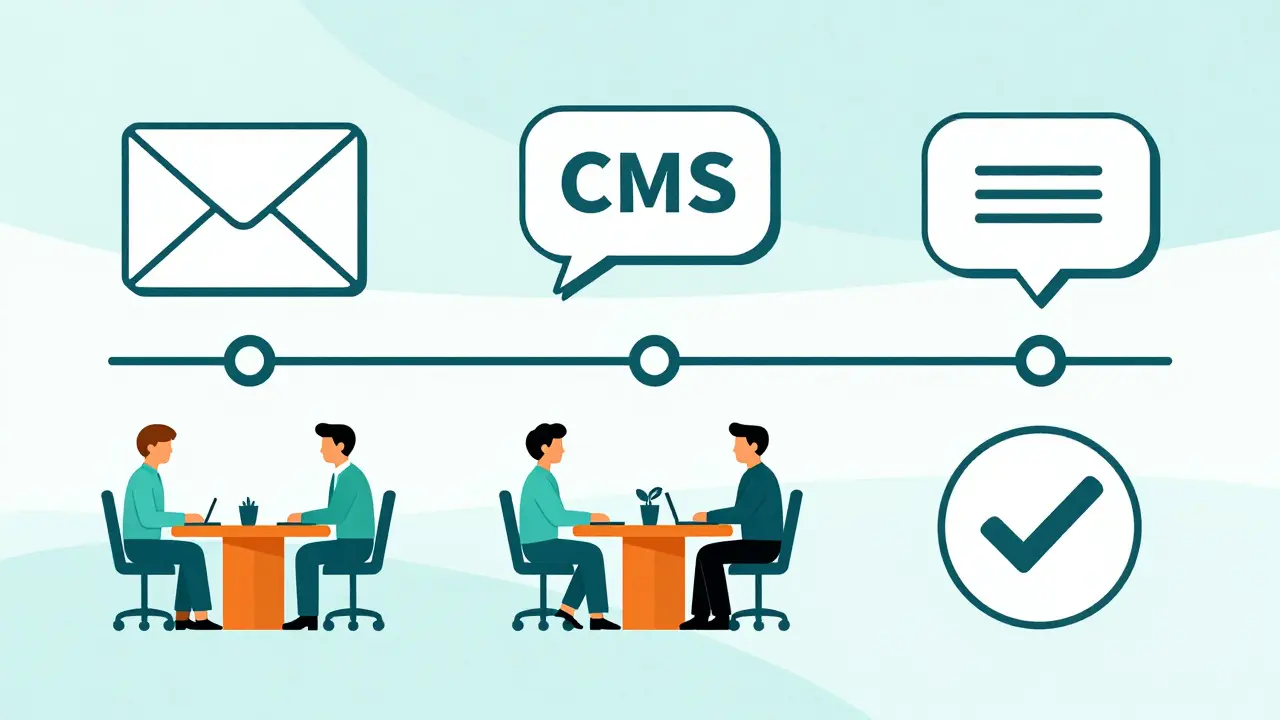
Here's a step-by-step breakdown of how CMS negotiates drug prices:
- February 1, 2024: CMS sends initial price offers to drug manufacturers. Each offer includes a clear explanation of how the price was calculated.
- March 2, 2024: Drug companies have 30 days to respond with counteroffers. For example, Eliquis' manufacturer submitted a counteroffer after seeing CMS's initial 38% discount proposal.
- Spring-Summer 2024: CMS meets with each company up to three times to discuss offers. These meetings are structured and time-bound.
- August 1, 2024: The negotiation period ends. CMS either agrees on a price or sets a final offer.
- August 16, 2024: CMS publishes the final negotiated prices. For the first 10 drugs, discounts ranged from 38% to 79%.
- January 1, 2026: New prices take effect for Medicare Part D beneficiaries.
CMS uses strict rules to set these prices. The final price can't exceed the lower of two values: (1) the drug's weighted average price across all plans, or (2) a percentage of its average non-Federal price. This prevents unrealistic discounts while ensuring savings. For example, if a drug costs $200 monthly on average, the maximum price after negotiation can't exceed $140 based on these calculations.
Real-world examples of negotiated drugs
Let's look at actual numbers from the first round:
- Eliquis (apixaban): A blood thinner for atrial fibrillation. Discount: 38%. A $200 monthly prescription now costs $124. For a patient taking it yearly, that's $912 saved.
- Xarelto (rivaroxaban): Another blood thinner. Discount: 79%. A $250 monthly cost drops to $52.50. Yearly savings: $2,370.
- Jardiance (empagliflozin): A diabetes medication. Discount: 55%. A $300 monthly cost becomes $135. Yearly savings: $1,980.
These examples show how significant the savings can be. For drugs like Xarelto, the discount is nearly 80%-making treatment much more affordable for seniors. CMS Administrator Chiquita Brooks-LaSure confirmed in April 2024 that "CMS developed an initial offer for each drug, consistent with the process described in the statute and the agency's guidance."
Who benefits from lower drug prices?
The biggest winners are Medicare beneficiaries. Before this program, seniors paid high out-of-pocket costs for these drugs. Now, they see lower copays. For example, a beneficiary in the "donut hole" coverage gap would pay much less for Eliquis after the discount. A patient named Maria from Texas told us: "I've been taking Eliquis for 5 years. My copay used to be $50 a month. With the new price, it's $30. That's $240 saved yearly."
Medicare itself saves billions. The Congressional Budget Office estimates $98.5 billion in savings over 2022-2031. This reduces the federal deficit and frees up funds for other healthcare needs.
Private insurers also benefit. The Pharmaceutical Care Management Association found that lower drug prices for Medicare could lead to "spillover" discounts for private plans. This could save private insurers $200-250 billion over 10 years. For example, if Medicare pays $100 for a drug, private insurers might negotiate down to $110 instead of $150.
What's next for drug price negotiations?
CMS plans to expand negotiations each year:
- 2027: Negotiate prices for 15 new drugs, including Farxiga and Stelara.
- 2028: Start negotiating for Medicare Part B drugs (administered in clinics), not just Part D.
- 2029+: Negotiate 20 drugs annually, with more drugs added as they become eligible.
Legal challenges continue. Four drug companies sued the program in 2023, but a federal court dismissed the cases in August 2024. Appeals are expected, but the program moves forward. The KFF Health Tracking Poll found 72% of Medicare beneficiaries support drug price negotiations, showing strong public backing.
Experts predict this will reshape drug pricing. Dr. Aaron Kesselheim of Harvard Medical School says, "CMS's ability to set credible walk-away prices will determine long-term success." Meanwhile, the Federal Trade Commission has cracked down on tactics like "product hopping" where companies slightly modify drugs to delay generics. Between 2022-2024, the FTC took 12 enforcement actions related to drug pricing. This helps expand the pool of drugs eligible for future negotiations.
Which drugs are included in the first round of negotiations?
The first round includes 10 high-cost drugs with no generic competition. These are Eliquis (apixaban), Jardiance (empagliflozin), Xarelto (rivaroxaban), and others. All were chosen because they cost Medicare billions annually. For example, Eliquis alone accounted for $6.3 billion in Medicare spending in 2022. Drugs must be at least 7 years old for small molecules or 11 years for biologics to qualify.
How much money will these negotiations save?
The Congressional Budget Office estimates $98.5 billion in savings over 2022-2031. The first 10 drugs alone could save Medicare Part D about $10 billion annually. For example, Xarelto's 79% discount saves $2,370 per patient yearly. Private insurers may save $200-250 billion over 10 years through "spillover" effects.
Do these discounts apply to all Medicare beneficiaries?
Yes. Starting January 1, 2026, all Medicare Part D beneficiaries will see lower costs for these drugs. For example, a $100 drug with a 50% discount would cost $50 instead of $100. This helps seniors in all coverage phases, including the "donut hole" where out-of-pocket costs were previously highest. However, those in the catastrophic phase might see less immediate benefit due to current cost-sharing rules.
How does this affect private insurance plans?
Private insurers often follow Medicare's pricing trends. When Medicare negotiates lower prices, drug makers may extend similar discounts to private plans. The Pharmaceutical Care Management Association estimates private insurers could save $200-250 billion over 10 years. For example, if Medicare pays $100 for a drug, private insurers might negotiate down to $110 instead of $150. This "spillover" effect benefits millions of Americans with employer-based insurance.
What happens if a drug company refuses to negotiate?
If a company refuses to negotiate, they face a 95% excise tax on sales of that drug. This makes refusal financially unattractive. For example, if a drug sells for $1 billion annually, the tax would be $950 million. All 10 companies in the first round negotiated rather than pay this penalty. Courts have dismissed lawsuits challenging the program, so the tax rule is enforceable.


Kieran Griffiths
4 February / 2026Medicare drug price negotiations are a major win for seniors. Lower costs for drugs like Xarelto mean real savings-$2,370 a year per patient. This is exactly the kind of reform we need. The process is clear and well-structured. CMS has done an excellent job outlining the steps. Starting with the February 1st initial offers, the timeline is tight but manageable. Drug companies have 30 days to respond, which is reasonable. The spring-summer meetings ensure thorough discussion. By August 1st, final prices are set. The discounts range from 38% to 79%, which is significant. For example, Eliquis at 38% discount saves $912 yearly. Xarelto's 79% cut saves over $2,300. This will help millions of seniors. Private insurers also benefit from spillover effects. This is a win for everyone involved. Kudos to CMS for making this happen.