Category: Medications - Page 3
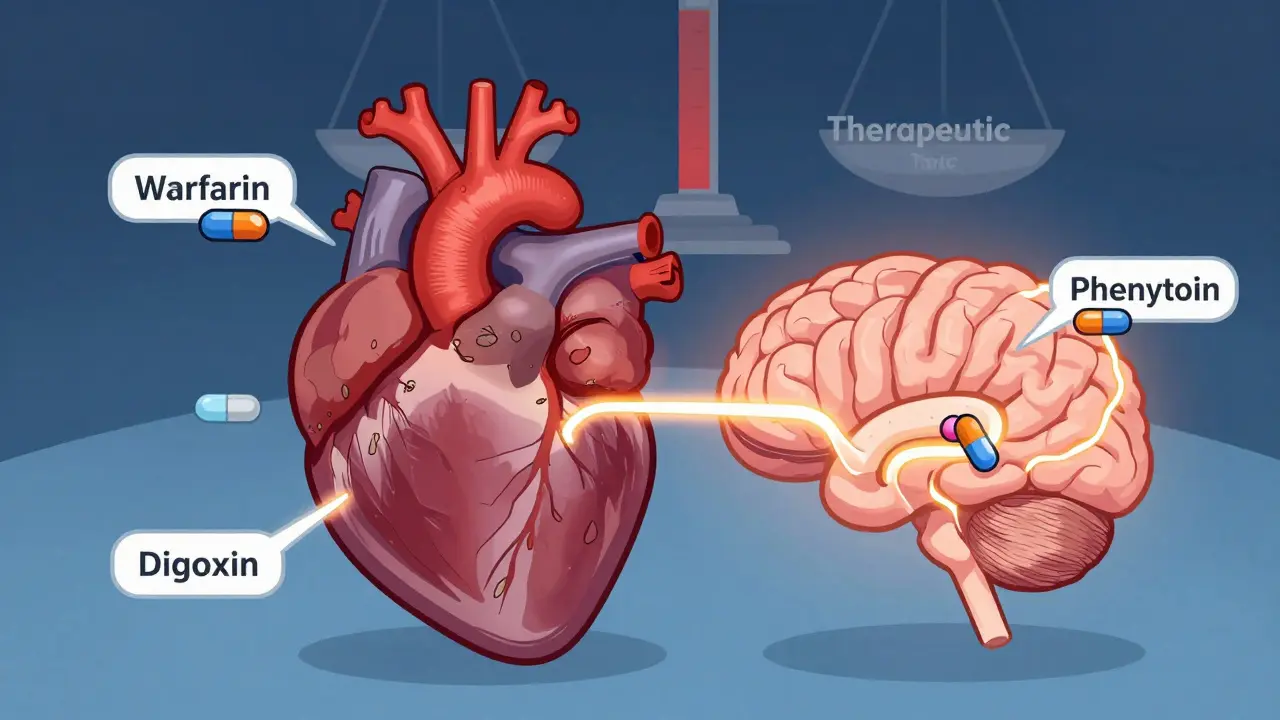
The FDA enforces stricter bioequivalence rules for NTI drugs like warfarin, digoxin, and phenytoin, requiring tighter potency limits and variability controls to ensure patient safety. Learn how these standards differ from regular generics.
View Details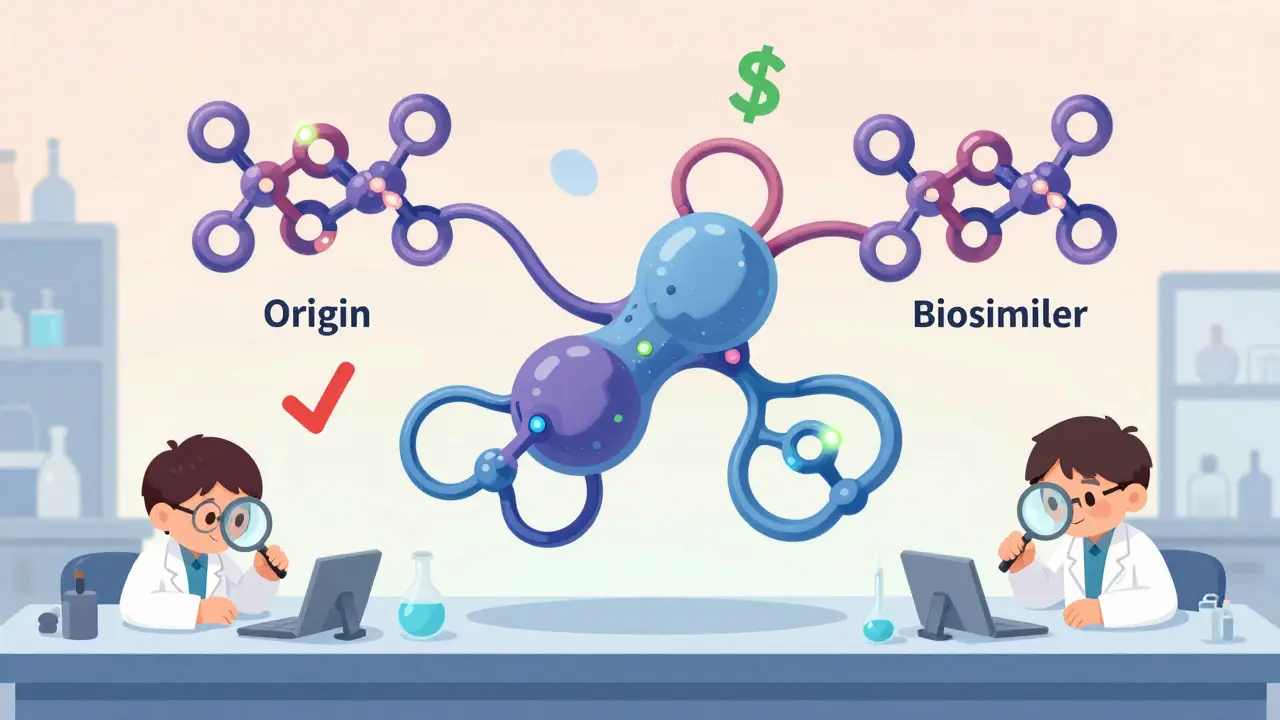
Monoclonal antibody biosimilars offer proven, cost-effective alternatives to expensive biologic drugs for cancer and autoimmune diseases. Learn which ones are approved, how they compare, and why they're changing patient access worldwide.
View Details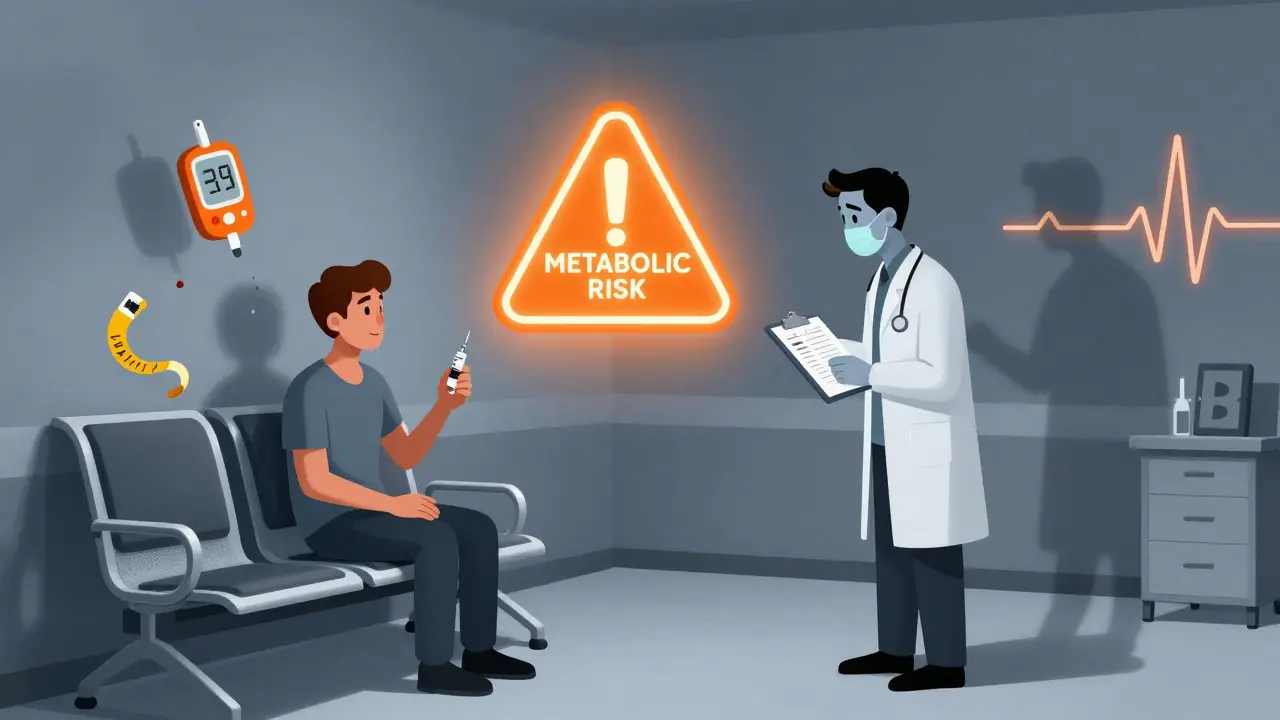
Long-acting injectables improve adherence for schizophrenia patients, but up to 55% miss critical side effect checks. Without regular monitoring for weight gain, diabetes, and movement disorders, these drugs can cause serious harm.
View Details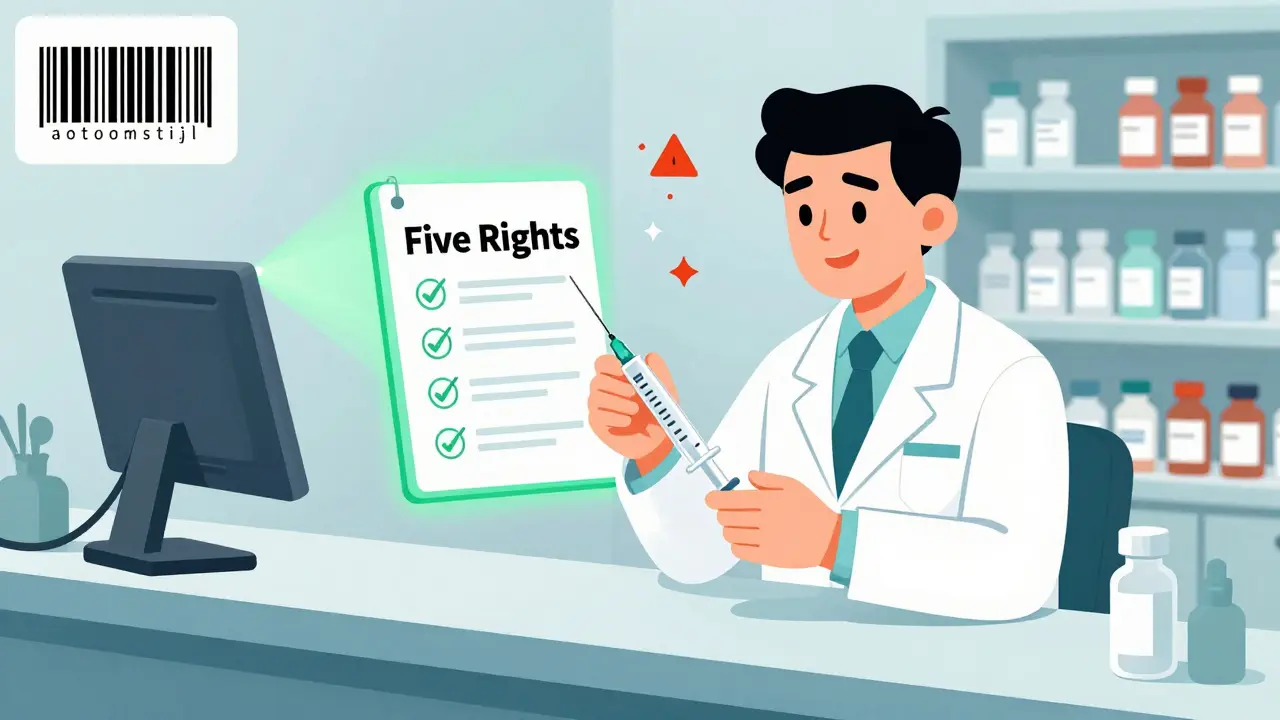
Learn how patient safety goals in medication dispensing prevent deadly errors in pharmacies and hospitals. Discover the latest NPSG standards, high-alert drug risks, and proven strategies to improve safety.
View Details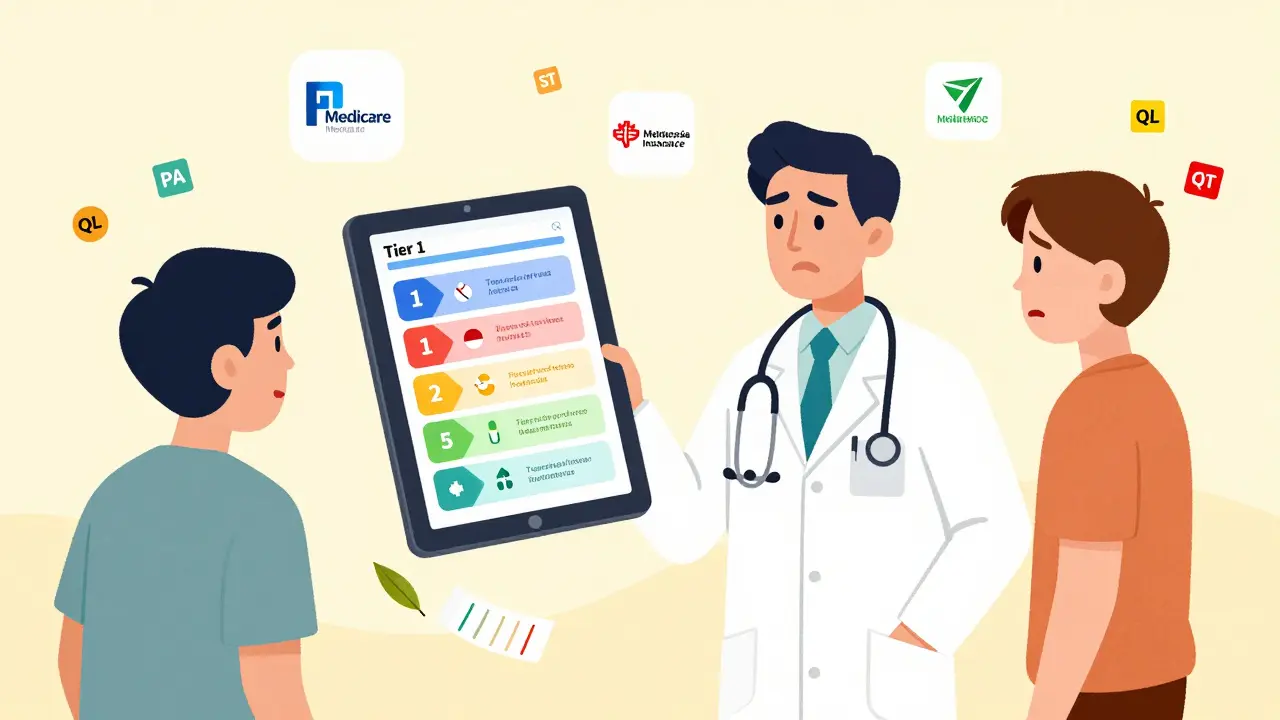
Learn how to check formularies and preferred drug lists before prescribing to avoid coverage denials, patient cost shocks, and treatment delays. Understand tiers, prior auth, and how Medicare, Medicaid, and commercial plans differ.
View Details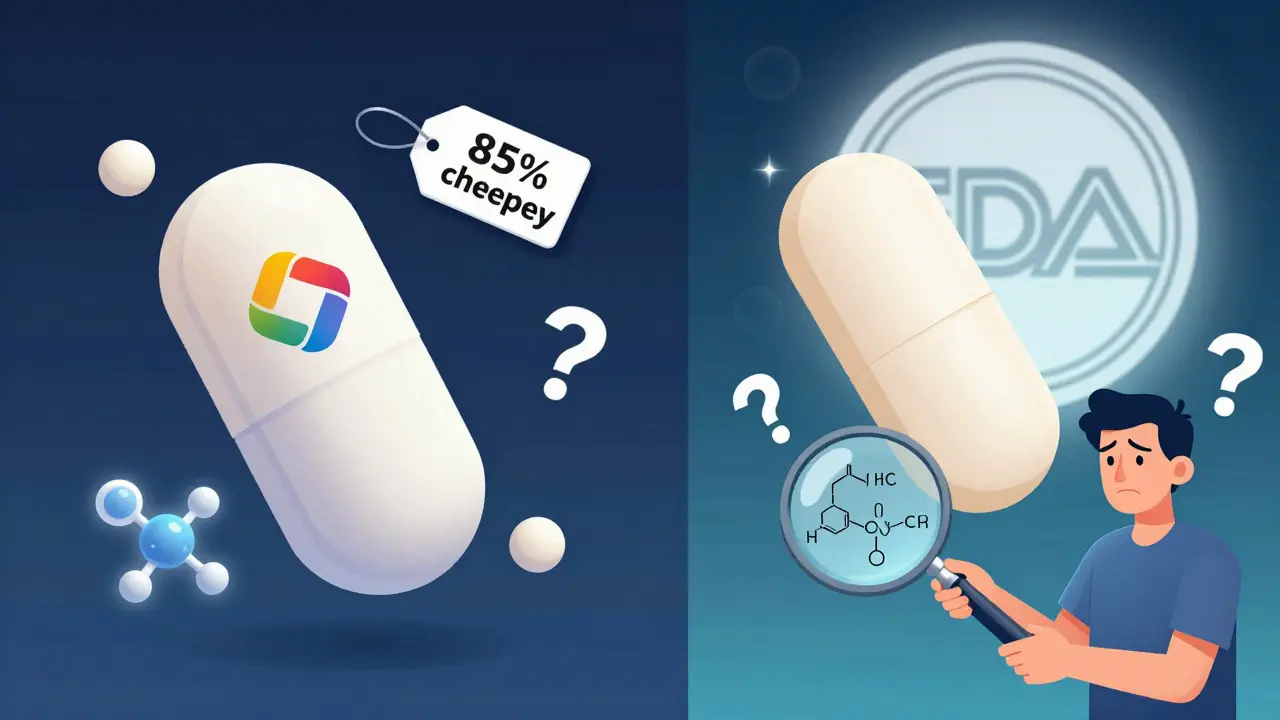
Learn how to choose between generic and brand medications safely and affordably. Discover when generics work just as well, when to stick with brand-name drugs, and how to avoid common pitfalls-all backed by FDA data and real patient experiences.
View Details
Tacrolimus, mycophenolate, and steroids form the standard immunosuppression regimen after kidney transplant, reducing rejection risk by over 60%. Learn how they work, their side effects, and what’s changing in 2026.
View Details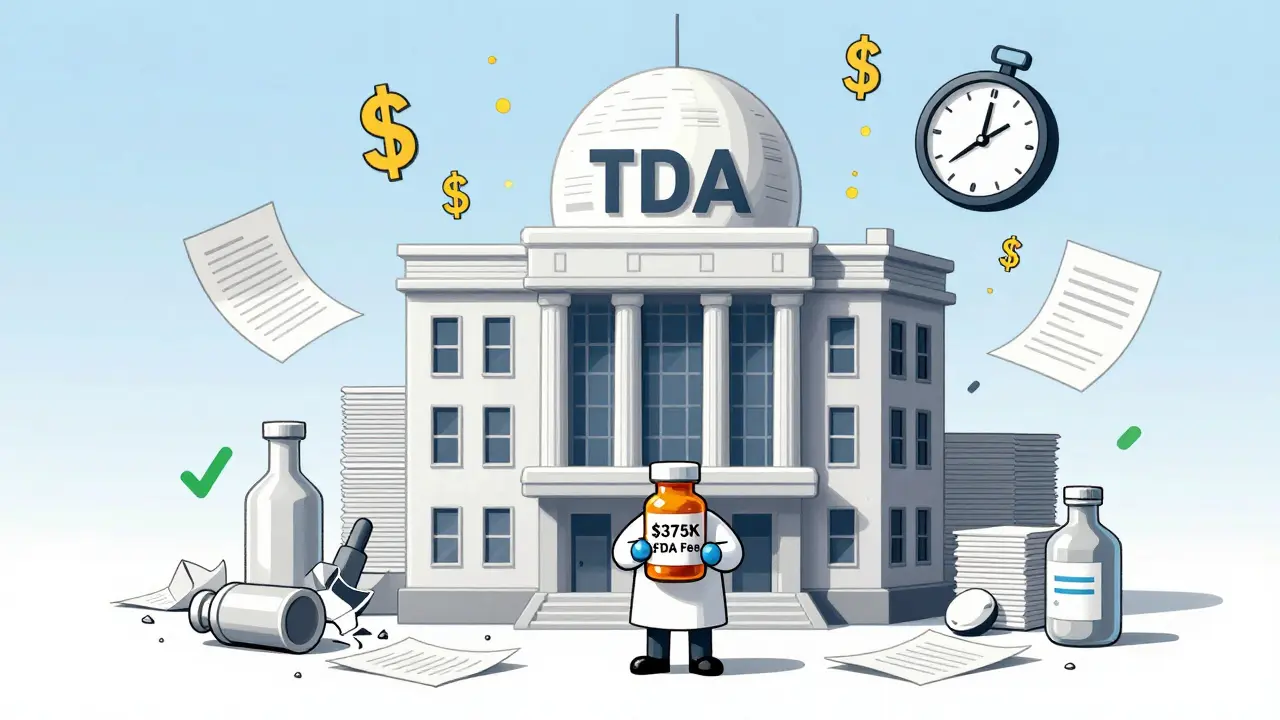
FDA approval costs for generic drugs are high and getting worse for complex formulations. Delays cost patients billions and hurt competition. Here’s how the system works-and what’s being done to fix it.
View Details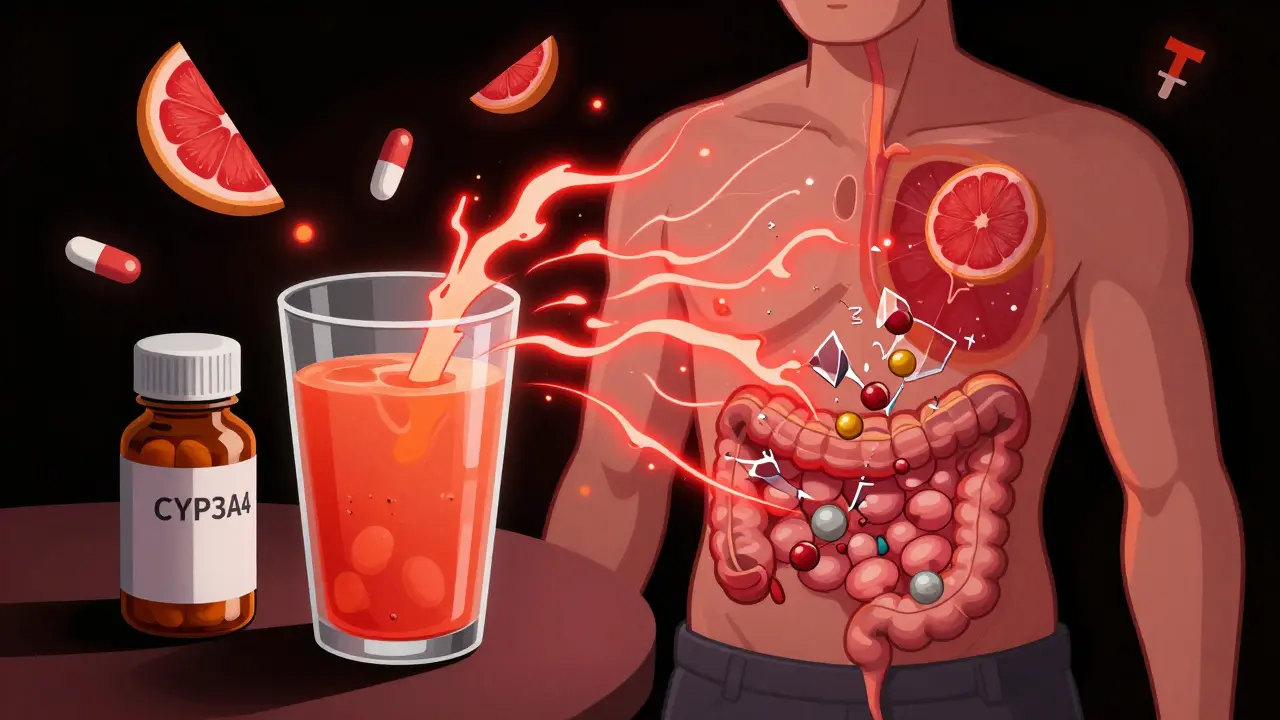
Grapefruit juice can dangerously increase levels of certain medications by blocking gut enzymes, leading to serious side effects. Over 85 drugs are affected, including statins and blood pressure meds. Avoid it completely if you're on high-risk prescriptions.
View Details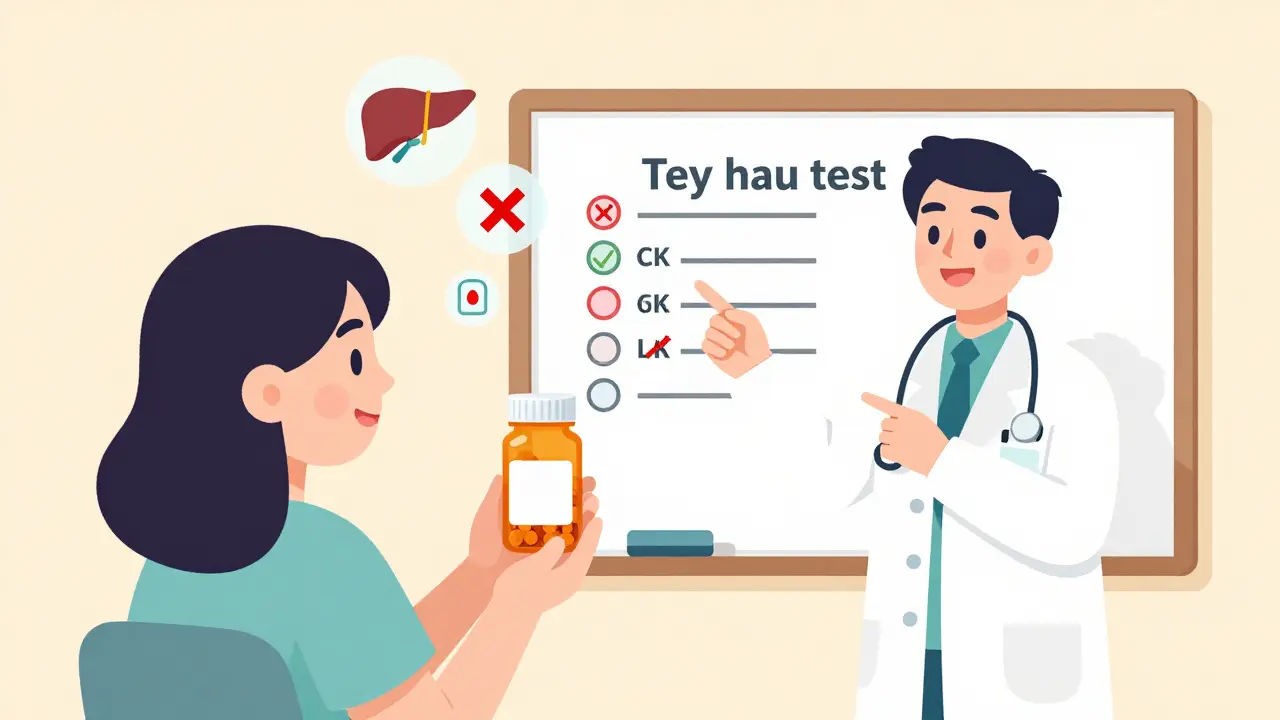
Learn what lab tests you actually need while on statins - and which ones are unnecessary. Stop worrying about liver enzymes and focus on what really matters for your heart health.
View Details