Narrow Therapeutic Index: Why Some Medications Demand Precision
When a drug has a narrow therapeutic index, a small difference between the effective dose and the toxic dose. Also known as a narrow therapeutic window, it means there’s very little room for error in how much you take. A few milligrams too much can cause serious harm—sometimes death. A few milligrams too little, and the drug doesn’t work at all. This isn’t about being careful—it’s about survival.
Drugs with a narrow therapeutic index include warfarin, lithium, digoxin, phenytoin, and cyclosporine. These aren’t random pills. They’re powerful, life-saving medicines used for conditions like blood clots, bipolar disorder, heart failure, epilepsy, and organ transplant rejection. But because their safety margin is so thin, even small changes in how your body processes them can turn treatment into danger. Your liver, kidneys, age, other meds, or even what you ate that day can shift the balance. That’s why blood tests are routine for people on these drugs. Doctors don’t guess the dose—they measure what’s in your blood.
It’s not just about the drug itself. drug interactions, how one medication affects another’s absorption or breakdown. Also known as pharmacokinetic interactions, it’s a major reason why people end up in the ER. Take lithium with a common diuretic? Levels spike. Eat grapefruit with cyclosporine? Toxic buildup. Skip a meal with phenytoin? Absorption drops. These aren’t rare edge cases—they happen daily. That’s why patient counseling matters. Pharmacists don’t just hand out pills—they ask questions, check for conflicts, and explain why timing and diet matter.
Generic versions of these drugs aren’t always interchangeable, even if they’re labeled the same. Small differences in fillers, coating, or release speed can change how much of the drug enters your bloodstream. That’s why switching brands without monitoring can be risky. The FDA doesn’t treat them all the same. Some get tentative approval, others require extra testing. If you’re on one of these meds, stick with the same brand unless your doctor says otherwise.
You won’t find these drugs on a shelf next to ibuprofen. They’re prescribed with caution, monitored closely, and often require special handling. If you’re taking one, know the signs of toxicity—dizziness, confusion, nausea, irregular heartbeat, tremors. Don’t wait for a lab report. If something feels off, call your provider. Your life depends on precision.
Below, you’ll find real-world guides on how these drugs behave, how to avoid dangerous mix-ups, and what to do when things go wrong. No theory. No fluff. Just what you need to stay safe.
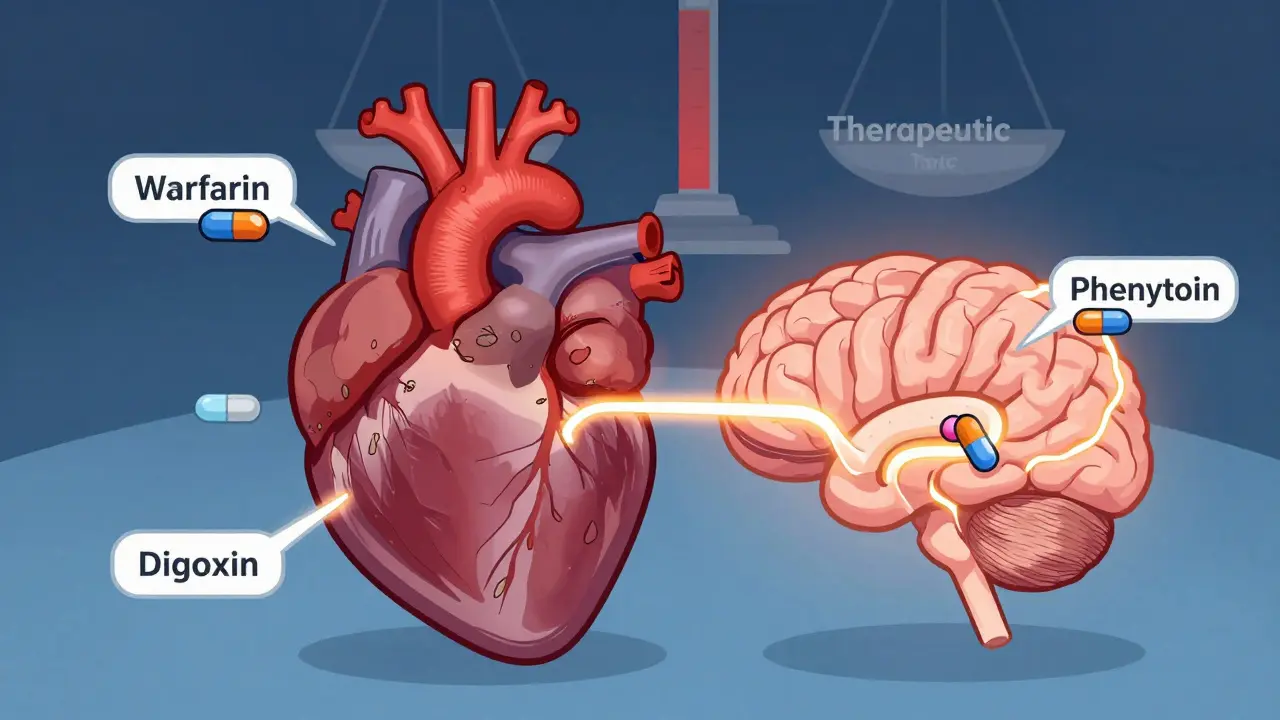
The FDA enforces stricter bioequivalence rules for NTI drugs like warfarin, digoxin, and phenytoin, requiring tighter potency limits and variability controls to ensure patient safety. Learn how these standards differ from regular generics.
View Details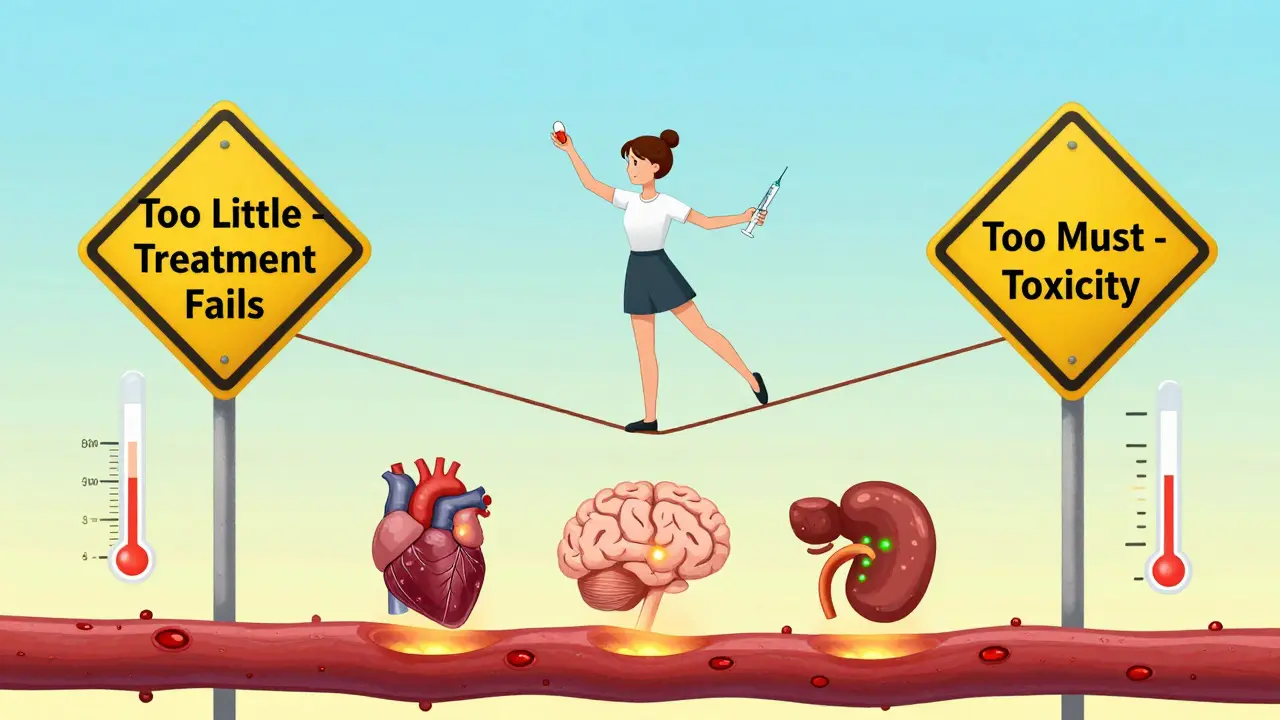
NTI drugs have a tiny margin between effective and toxic doses. Learn which common medications like warfarin, lithium, digoxin, and levothyroxine fall into this high-risk category, why switching generics can be dangerous, and how to stay safe with proper monitoring.
View Details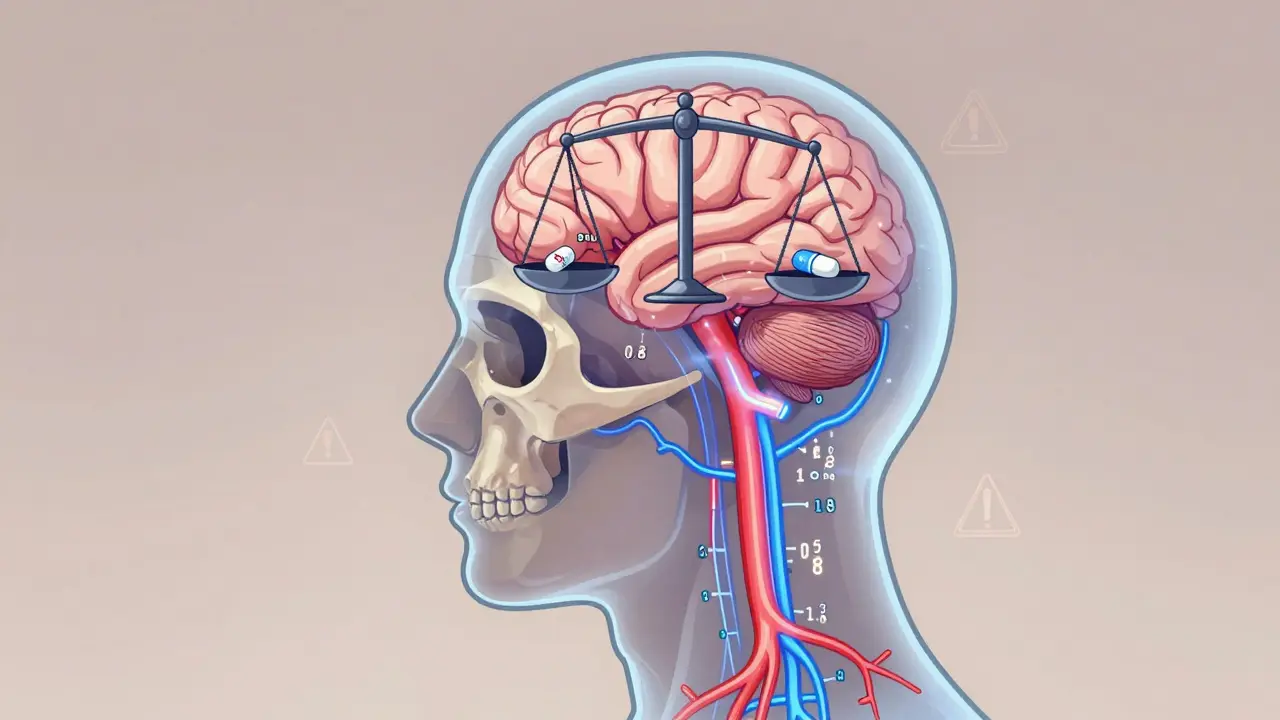
Lithium carbonate generics require careful serum level monitoring due to narrow therapeutic ranges and formulation differences. Even bioequivalent generics can affect blood levels differently, risking toxicity or reduced efficacy in bipolar disorder treatment.
View Details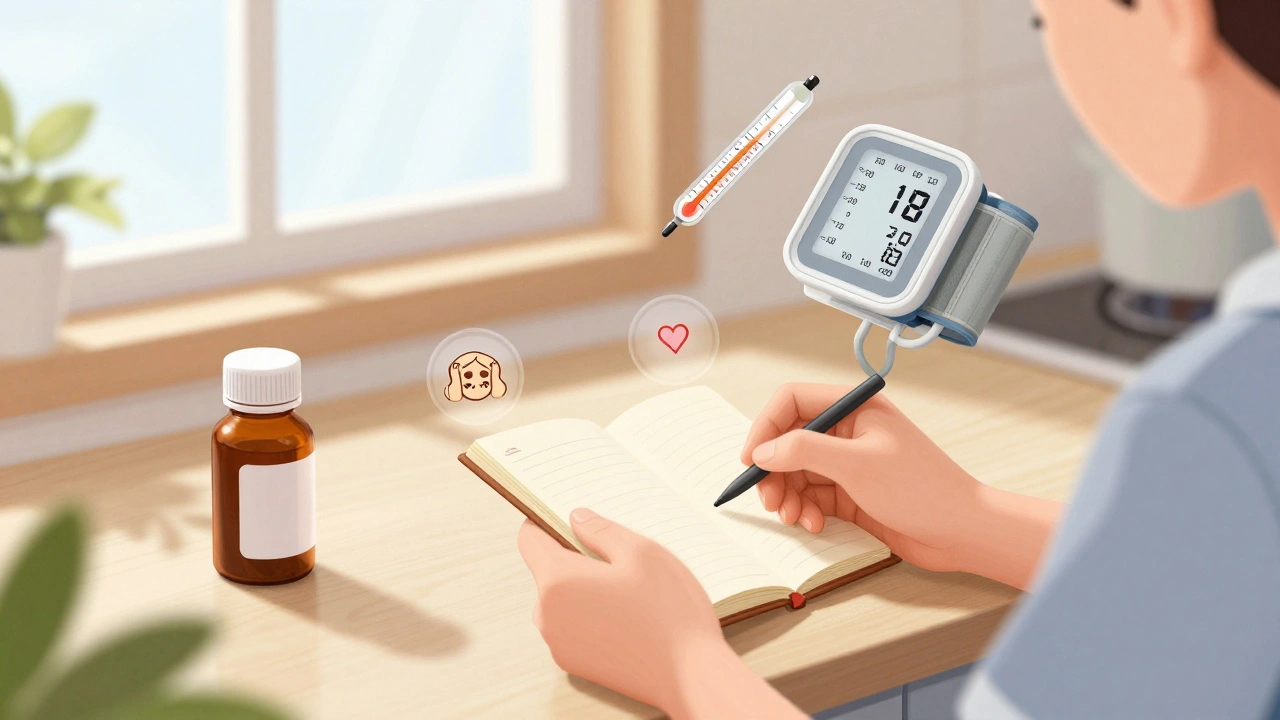
Track how your body reacts when switching to generic medications with a simple medication journal. Learn what to record, why it matters, and how to use it to protect your health.
View Details