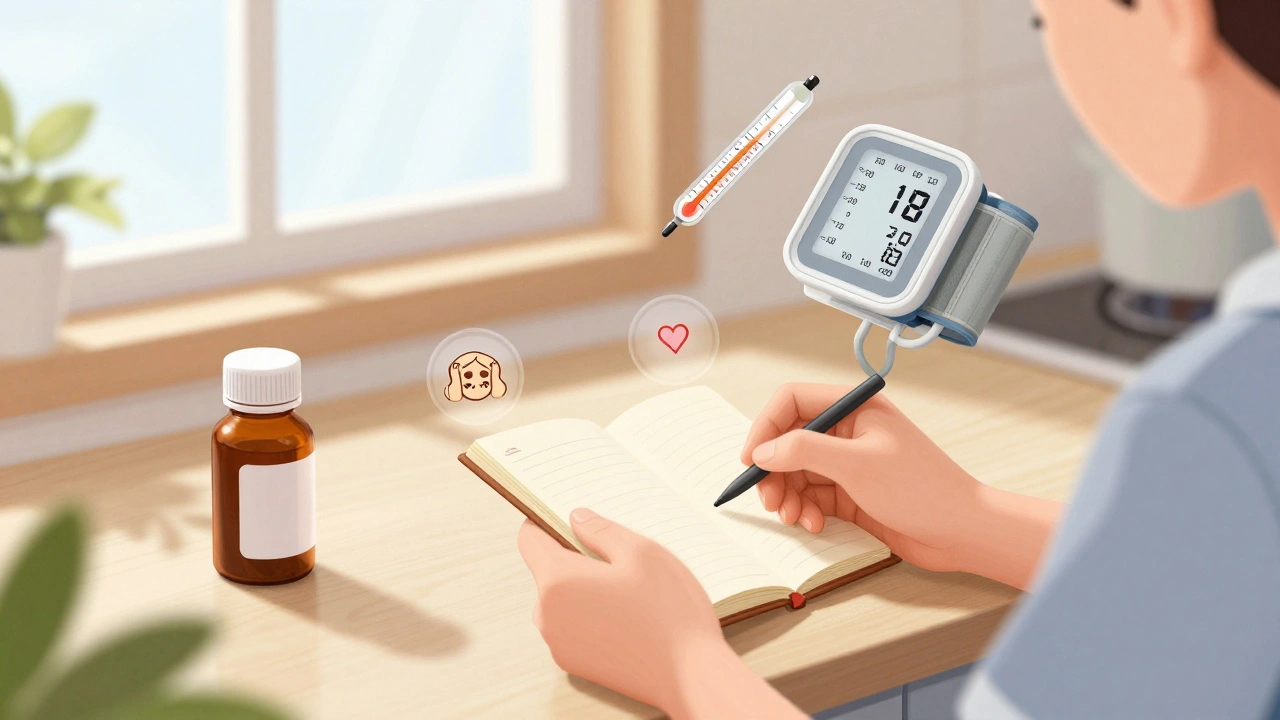
Switching from a brand-name drug to a generic version can save you hundreds of dollars a year. But what happens when you start feeling different after the switch? Maybe your headaches come back. Or your blood pressure spikes. Or you feel more tired than usual. You’re not imagining it. And you’re not alone.
Over 90% of prescriptions in the U.S. are filled with generic drugs. They’re cheaper, approved by the FDA, and work for most people. But for some, even tiny differences in how the drug is made can change how it works in your body. That’s where keeping a medication journal becomes more than just a good idea-it becomes a safety tool.
Why Your Body Might React Differently to Generics
Generic drugs must meet strict FDA standards to prove they’re bioequivalent to the brand name. That means they deliver the same active ingredient at the same rate and amount-within an 80% to 125% range. Sounds perfect, right?
But here’s the catch: that range allows for variation. Two different generic versions of the same drug can have slightly different fillers, coatings, or manufacturing processes. For most people, this doesn’t matter. But for those on narrow therapeutic index (NTI) drugs, even small shifts can cause big problems.
NTI drugs include things like:
- Warfarin (blood thinner)
- Levothyroxine (thyroid hormone)
- Phenytoin and other antiseizure meds
- Tacrolimus (organ transplant rejection prevention)
In these cases, a 10% change in blood levels might mean your seizure returns, your thyroid stops working right, or your body starts rejecting your new kidney. The FDA says generics are safe. But patient reports tell a different story-especially when manufacturers change.
What to Track in Your Medication Journal
A good medication journal doesn’t just say “took my pill.” It answers: Did anything change after I switched?
Here’s exactly what to write down every time you get a new prescription:
- Drug name: Both brand and generic (e.g., Synthroid vs. levothyroxine)
- Manufacturer: Look at the bottle. Is it Teva, Mylan, Dr. Reddy’s? Write it down.
- Lot number: Found on the bottle. This matters-different lots from the same company can vary.
- Physical appearance: Color, shape, scoring, imprint code. If your pill looks different, note it. 33% of patients report confusion when generics change appearance.
- Date switched: Pinpoint when you got the new version.
- Symptoms: Use a 1-10 scale. Pain? Mood? Energy? Dizziness? Record it daily. Don’t rely on memory.
- Objective data: If you monitor blood pressure, blood sugar, or INR (for warfarin), log those numbers too.
- Adherence: Did you miss a dose? Why? Stress? Cost? Side effects?
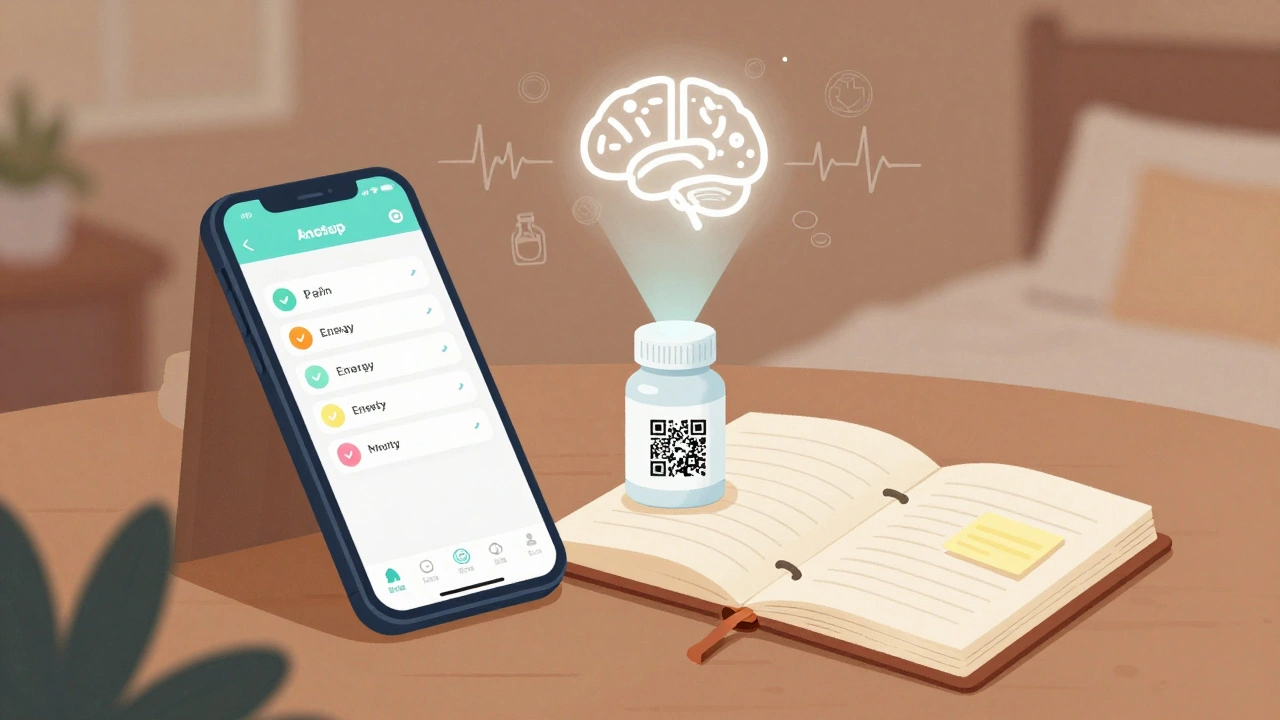
Don’t overcomplicate it. You don’t need a fancy app. A notebook works. But if you prefer tech, apps like Medisafe and MyTherapy have built-in templates for generic tracking. Just make sure you’re entering the manufacturer and lot number-not just the drug name.
Real Stories: When the Journal Made a Difference
One user on Reddit, ‘AnxiousAsthmatic87,’ switched levothyroxine three times in six months because of insurance changes. Each time, her TSH levels jumped. Her journal showed a clear pattern: every time she got a new generic, her thyroid markers went haywire. She brought the journal to her endocrinologist. They switched her back to Synthroid. Within weeks, her levels stabilized.
Another case from the Cleveland Clinic involved heart transplant patients. After switching to a new generic version of tacrolimus, several patients had dangerously low drug levels. Their immune systems started attacking their new organs. The journal caught it before anyone got sick. Without those records, doctors would’ve blamed the patients for non-adherence.
Not everyone has a crisis. Many people switch generics with zero issues. But if you’re one of the 8% who feel something’s off, your journal is your proof.
What Doesn’t Work (And Why)
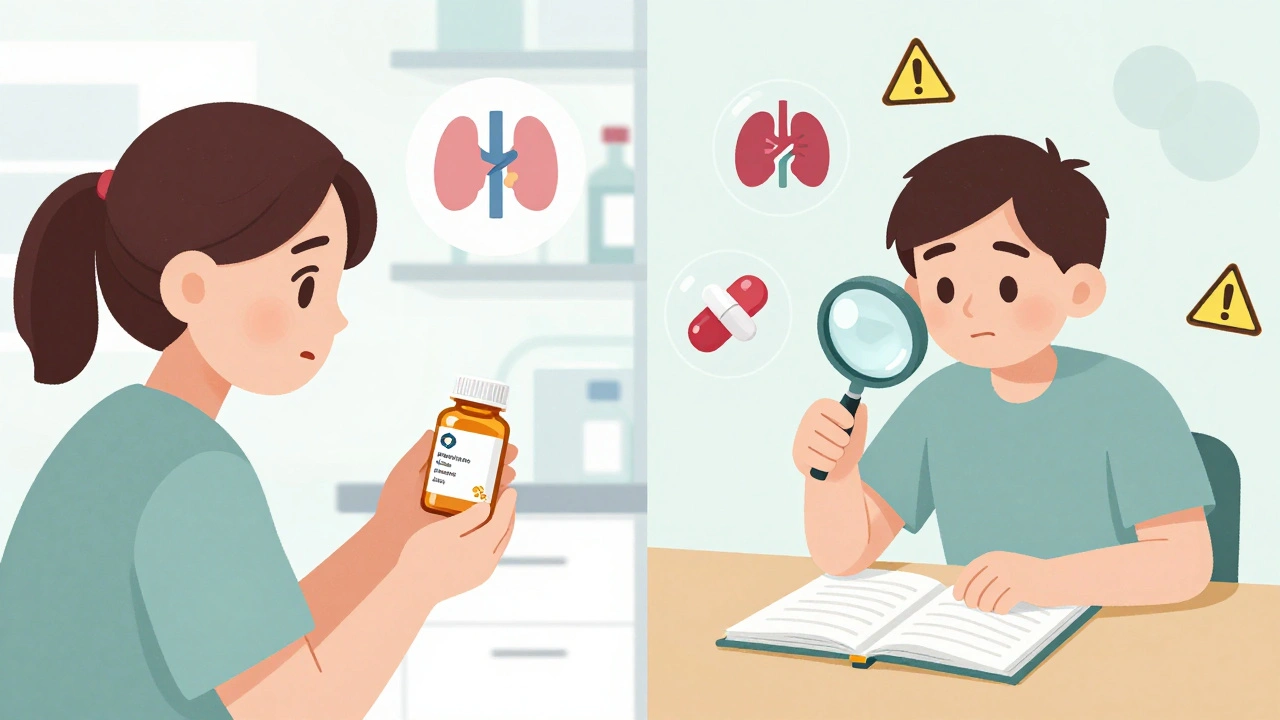
Some people start journaling, then quit after a week. Why? Because they don’t know what to look for.
Don’t track vague feelings like “I just don’t feel right.” That’s useless. Instead, use tools like the Wong-Baker FACES scale for pain or the PHQ-9 for depression. These are validated, repeatable scales. They turn emotion into data.
Also, don’t expect immediate results. Antidepressants take weeks to work. If you switch generics and feel worse after two days, it’s probably not the drug-it’s stress, sleep, or something else. But if you feel worse every time you get a new batch from the same manufacturer? That’s a red flag.
And avoid jumping to conclusions. A 2019 study found 22% of patients thought minor mood swings meant the generic didn’t work. They went back to the expensive brand-without realizing their symptoms were caused by a recent breakup or lack of sleep.
How to Make It Stick
Consistency beats perfection. You don’t need to write 500 words a day. Five minutes is enough.
Here’s how to build the habit:
- Set a daily phone reminder for when you take your pill.
- Keep your journal next to your medicine cabinet.
- Use a template. The Cleveland Clinic’s NTI tracker has columns for manufacturer, lot number, and symptom change. Download it free.
- Bring it to every doctor or pharmacist visit. Don’t wait until something goes wrong.
Pharmacists are your allies. At Kaiser Permanente, pharmacists who reviewed patient journals cut unnecessary medication changes by 44%. They noticed patterns doctors missed.
When to Talk to Your Doctor
Don’t wait for a crisis. If your journal shows:
- Three or more consistent symptom changes after switching manufacturers
- Lab values (INR, TSH, drug levels) moving outside your normal range
- Repeated issues with the same generic brand
Ask your doctor to document it. Request a prescription for the specific generic manufacturer that works for you. Or, if needed, ask for the brand name. Insurance may push back, but with your journal, you have evidence.
The FDA now accepts patient-reported data as part of drug safety monitoring. Between 2020 and 2023, 142 cases of adverse events were flagged because of patient journals. That’s how change happens.
What’s Next for Medication Tracking
The future is integration. Apple Health now includes FDA-approved medication tracking templates. Epic Systems, the biggest EHR platform, rolled out ‘MyJournal’ in 2024-letting patients upload their journal directly to their doctor’s record.
Some drug packages now have QR codes that link to bioequivalence data. Scan it. See who made it. See what tests they ran.
And AI is coming. Microsoft’s prototype can spot patterns in your journal entries and predict if you’re at risk for therapeutic failure-before you even feel sick.
But none of that matters if you don’t start tracking now.
Final Thought: Your Body Knows
Generics are safe for most people. But medicine isn’t one-size-fits-all. Your body responds to subtle differences in ways labs can’t always measure. Your journal is the only tool that captures your lived experience.
It’s not about distrust. It’s about control. You’re not just a patient. You’re the most important observer in your own care.
Start today. One pill. One note. One day at a time.
Do I really need a medication journal if my doctor says generics are the same?
Yes. Doctors rely on population-level data. Your body is individual. Even if studies say generics are equivalent, 8% of patients report noticeable differences. Your journal gives you proof-if something changes, you’ll know why.
Can I use a phone app instead of a paper journal?
Absolutely. Apps like Medisafe and MyTherapy are designed for this. They let you log manufacturer, lot number, symptoms, and lab values. Many have reminders and export features for doctor visits. But if you’re over 65, 62% of people still prefer paper-so pick what works for you.
What if my insurance keeps switching my generic?
Keep tracking. If you notice a pattern-say, every time you get Mylan’s version, your headaches return-ask your pharmacist to note it in your file. Then request a prior authorization for a specific manufacturer. With your journal, you’re not asking for a favor-you’re presenting data.
Is it worth it for non-NTI drugs like antidepressants or blood pressure meds?
For blood pressure meds, yes. Effects show within hours. For antidepressants, less so-because they take weeks to work. But if you’re cycling through generics and your mood keeps dipping, your journal can help rule out the drug as the cause. It’s still useful.
How long should I track before deciding a generic doesn’t work for me?
For NTI drugs, give it 2-4 weeks after a switch. For pain or blood pressure, track for at least 7 days. Look for consistency-not one bad day. If the same issue repeats with the same manufacturer, that’s your signal.
Can my pharmacist help me read my journal?
Yes. Pharmacists see hundreds of patients and know which generics have had issues. Bring your journal to your next refill. Many pharmacies now offer free medication reviews. This is exactly what they’re there for.
What if I forget to write something down?
Don’t panic. Just note it: “Missed entry on 12/1-felt dizzy after taking pill.” Honesty matters more than perfection. Even incomplete journals are better than none.




Marvin Gordon
4 December / 2025Just started tracking my blood pressure meds after reading this. Took me 3 days to remember, but now I’ve got a sticky note next to my coffee maker. Small habit, huge peace of mind.