Allergic Reaction: Signs, Triggers, and How to Stay Safe
When your body mistakes a harmless substance for a threat, it can trigger an allergic reaction, an immune system overresponse to a normally harmless substance. Also known as hypersensitivity reaction, it can range from a sneeze to a full-body emergency. This isn’t just about pollen or peanuts—it’s also about the pills you take, the creams you rub on your skin, and even the IV fluids in a hospital. Medications like antibiotics, painkillers, and chemotherapy drugs can set off these reactions, sometimes without warning.
Some reactions are mild: a rash, itchy eyes, or a runny nose. Others? They’re deadly. Stevens-Johnson Syndrome, a severe drug reaction that causes skin and mucous membranes to blister and peel can start with flu-like symptoms and turn into a hospital emergency within days. Then there’s anaphylaxis, a rapid, whole-body reaction that blocks airways and drops blood pressure. It can kill in minutes if not treated with epinephrine right away. These aren’t rare outliers—they’re documented outcomes tied to specific drugs, and they show up in patient reports every single day.
What makes this worse is that many people don’t realize they’re at risk until it’s too late. A reaction to penicillin in your 20s doesn’t mean you’ll react the same way at 50—but you might. And some reactions, like those caused by NSAIDs or sulfa drugs, can build up over time. Even something as simple as a new generic version of a medication can trigger a response if the inactive ingredients change. That’s why knowing your history matters. If you’ve ever broken out in hives after taking a pill, saved a prescription label, and told your doctor. That detail could save your life next time.
Not every red spot or itch is an allergy, but ignoring the warning signs is dangerous. Skin reactions, swelling of the lips or tongue, trouble breathing, vomiting, or a sudden drop in energy? These aren’t side effects—they’re red flags. And if you’ve had one reaction before, you’re more likely to have another. The good news? You can reduce your risk. Always check new prescriptions for ingredients you’ve reacted to. Ask your pharmacist if a generic version has different fillers. And never hesitate to speak up if something feels off after taking a new medication.
Below, you’ll find real cases and practical advice from people who’ve lived through these reactions—whether it’s spotting the early signs of a drug rash, understanding why some medications are riskier than others, or learning how to report a reaction so others stay safe. This isn’t theory. It’s what happens when medicine meets the human body—and how to keep it from going wrong.
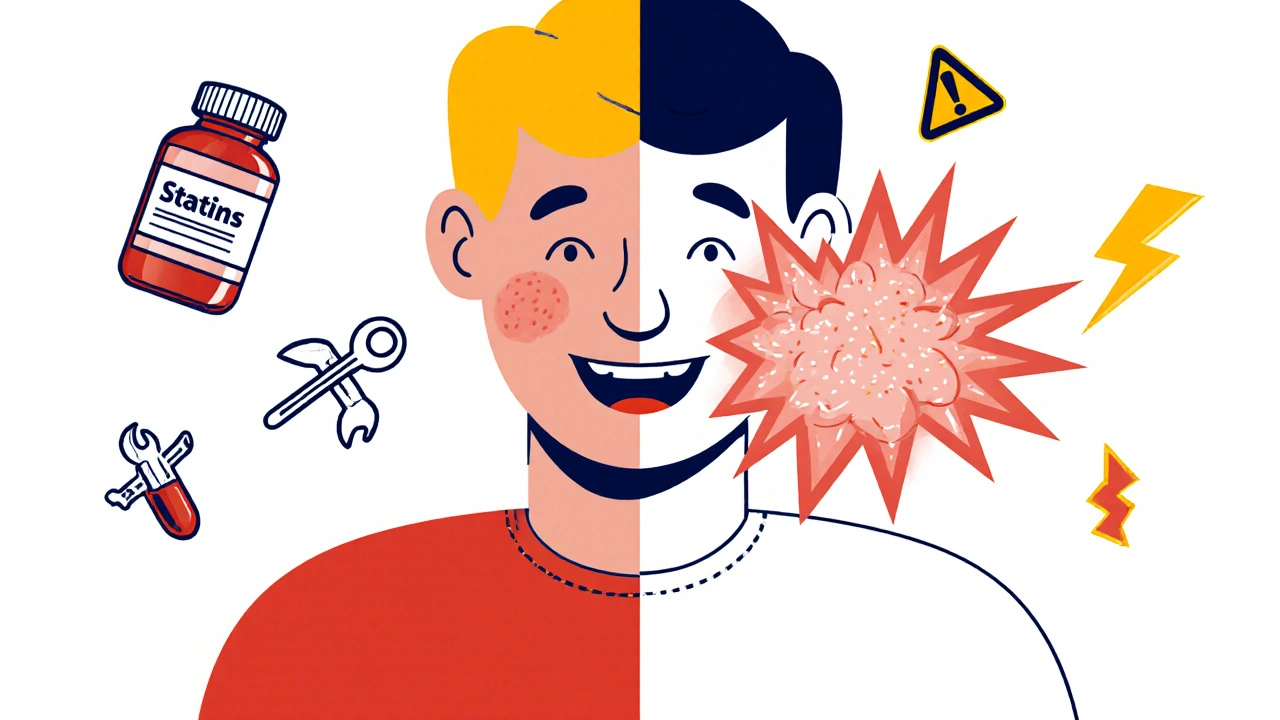
Learn the real difference between medication side effects and true drug allergies - why confusing them can cost lives and money, and how to know which is which for safer treatment.
View Details