Medication Interaction Risk Assessment Tool
Medication & Supplement Input
Risk Assessment Results
What to Ask Your Pharmacist
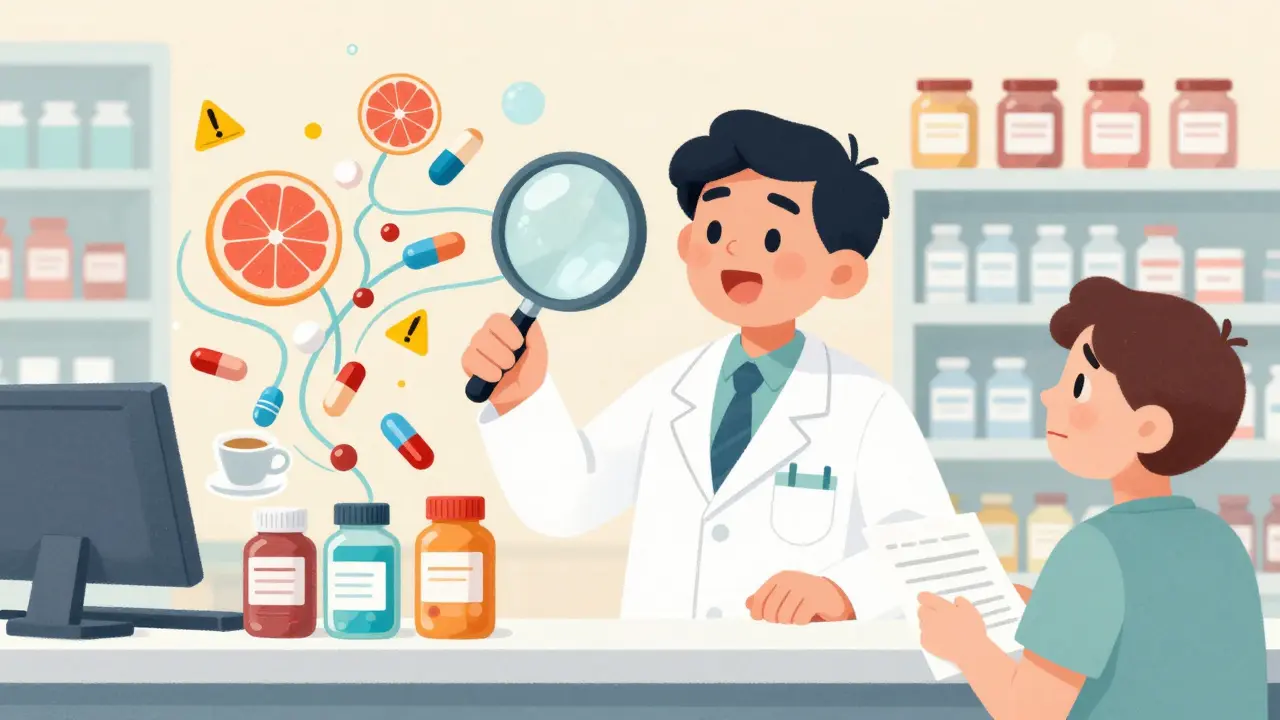
Every year, over a million people in the U.S. end up in the hospital because of medication errors. A big part of that? Medication interactions. You might think if your doctor prescribed it, it’s safe. But what you’re taking with it - another pill, a supplement, even your morning grapefruit juice - can turn a harmless drug into a dangerous one.
Pharmacists are the hidden experts in this space. They don’t just hand out pills. They’ve spent years studying how drugs react with each other, with food, with alcohol, even with sunlight. Yet, only about 38% of patients get a full conversation about interactions when they pick up a prescription. That means most people are flying blind.
What Exactly Is a Medication Interaction?
An interaction happens when two or more substances change how a drug works in your body. It could make it stronger, weaker, or cause side effects you didn’t expect. These aren’t rare. The FDA reports that drug interactions make up nearly 7% of all reported adverse drug events.
There are four main types:
- Drug-drug: Like mixing an SSRI antidepressant with an MAOI - a combo that can trigger serotonin syndrome, a life-threatening spike in body temperature and heart rate.
- Drug-supplement: Warfarin, a blood thinner, can become dangerously strong if you take vitamin K supplements or even drink cranberry juice. One study found nearly 4 in 10 people on warfarin didn’t know this.
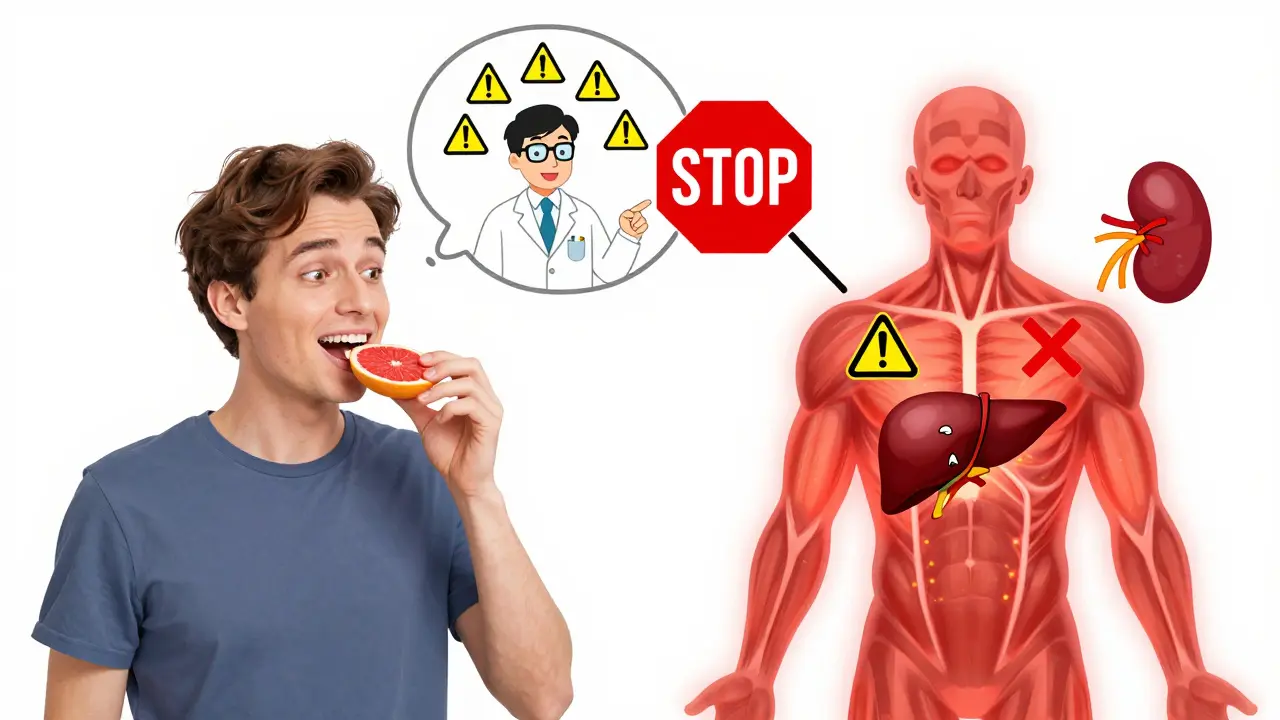
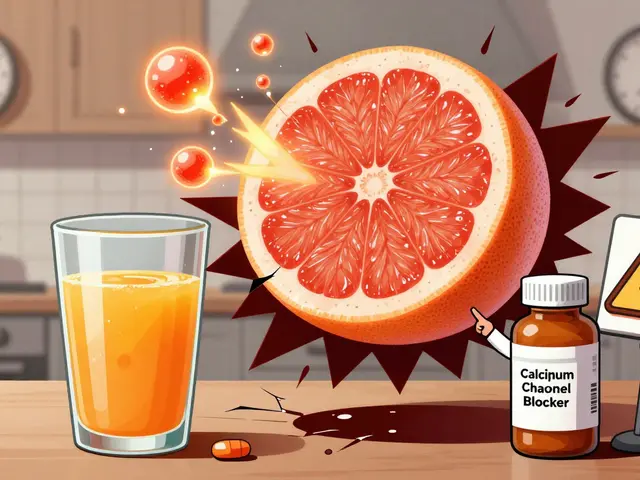
- Drug-food: Grapefruit juice is the classic example. It blocks an enzyme that breaks down about 85 prescription drugs. For statins like atorvastatin, it can push blood levels up by 1,500%. That’s not a typo.
- Drug-beverage: Alcohol and metronidazole? Bad mix. It causes nausea, vomiting, flushing, and rapid heartbeat. And you don’t need to get drunk - even one drink can trigger it.
Even something as simple as an antacid like Tums can interfere with Hepatitis C meds. What seems harmless isn’t always safe.
What to Ask Your Pharmacist - The Exact Questions
You don’t need to be a medical expert to protect yourself. Just ask these five questions every time you get a new prescription or refill:
- “Does this medicine interact with anything else I’m taking - including over-the-counter pills, vitamins, or supplements?” Most people forget to mention their fish oil, magnesium, or melatonin. But those can clash. Levothyroxine, for example, loses up to half its effectiveness if taken with calcium or iron supplements.
- “Are there foods, drinks, or beverages I should avoid?” Grapefruit juice is the big one. But don’t stop there. Dairy can block antibiotics like tetracycline. Alcohol can worsen drowsiness from painkillers or anxiety meds.
- “What are the warning signs I should watch for if there’s a bad interaction?” Don’t just get a list of side effects - ask what’s dangerous. For example, if you’re on a statin and start feeling unexplained muscle pain or weakness, it could mean your liver is overloaded from grapefruit juice.
- “Will this affect my sun exposure?” Some meds - like certain antibiotics, diuretics, or acne treatments - make your skin way more sensitive. You can get a bad sunburn from just a few minutes outside. This isn’t common knowledge, but pharmacists know it.
- “Do I need any tests or monitoring while taking this?” Blood thinners, kidney meds, and some psychiatric drugs require regular blood tests. If your pharmacist doesn’t mention it, ask. It’s not optional.
And if you’re on multiple meds? Say it outright: “I’m taking six different things. Can you check them all together?” Pharmacists have tools that scan your full list in seconds. They’ll catch things your doctor missed.
Why Most People Don’t Get This Info - And What You Can Do
Pharmacists are trained to catch these risks. But they’re busy. A 2023 survey found 78% of pharmacists say time is their biggest barrier to detailed counseling. You can’t blame them - they’re juggling 200 prescriptions a day.
But here’s the thing: you’re not just a customer. You’re the person who has to live with the consequences. If you don’t ask, they might not tell - even if they know.
Here’s how to make sure you get the info you need:
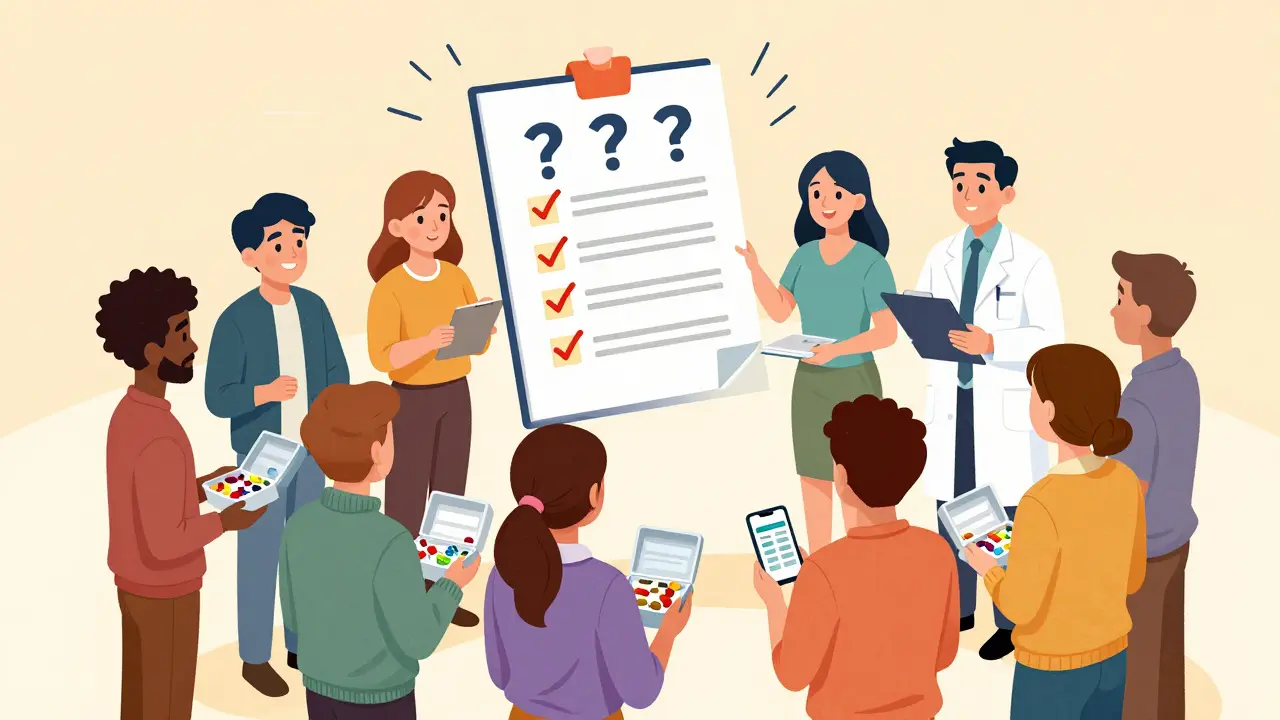
- Bring your whole list. Write down every pill, capsule, gummy, and tincture. Include dosages and times you take them. Don’t assume they’ll know you’re taking melatonin at night or turmeric in your smoothie.
- Ask for a printed summary. Many pharmacies now give out interaction checklists. If they don’t, ask for one. Keep it in your wallet.
- Use your pharmacy app. CVS and Walgreens have built-in interaction checkers. But don’t rely on them alone. They miss about a third of serious interactions. A human pharmacist is still your best bet.
- Don’t wait for your refill. Ask about interactions the first time you get the prescription. Waiting until you feel weird means you’ve already been at risk.
Real Stories - What Happens When No One Asks
One man in Ohio took simvastatin for high cholesterol. He loved grapefruit. He didn’t think it mattered. Within weeks, he had severe muscle pain and kidney damage. His doctor didn’t warn him. His pharmacist didn’t ask. He ended up in the hospital.
A woman in Florida took levothyroxine for hypothyroidism. She took it with her morning coffee and calcium supplement. Her TSH levels stayed high for months. Her doctor kept increasing the dose. The pharmacist, when she finally asked, said: “You need to take it on an empty stomach, 30 minutes before anything else - including coffee.” That one change fixed everything.
On the flip side, a patient in Minnesota was prescribed an antibiotic. She was on birth control. Her pharmacist caught the interaction - the antibiotic could make the pill ineffective. He gave her free condoms and told her to use backup for the next month. She later said, “That saved me from an unplanned pregnancy.”
What You Can Do Right Now
Don’t wait for your next prescription. Do this today:
- Open your medicine cabinet. Write down everything you take - even the “just in case” stuff.
- Call your pharmacy. Ask if they can review your list for interactions. Most will do it for free.
- Next time you pick up a new med, ask the five questions above. Don’t be shy. They’re trained for this.
- If you’re on Medicare, you’re entitled to a free annual Medication Therapy Review. Use it.
Medication safety isn’t about trusting your doctor or your pharmacist. It’s about knowing your own body - and asking the right questions before something goes wrong.
What Happens After You Take the Med?
Even if you get the green light, stay alert. Some interactions show up after weeks or months. Keep track of how you feel. If something changes - new fatigue, strange rashes, upset stomach, dizziness - don’t assume it’s just aging or stress. It could be a hidden interaction.
Report it. The FDA’s MedWatch system lets you report adverse reactions directly through their app. In just six months, over 12,000 people used it to flag interactions. Your report could help someone else avoid the same mistake.
And if cost is a concern? Ask your pharmacist. Sometimes switching from brand to generic changes interaction risks. Or they might find a copay card that lets you switch to a safer alternative.
Can I just check for drug interactions online instead of asking my pharmacist?
Online tools can help, but they’re not enough. Apps and websites miss about 37% of clinically significant interactions. They don’t know your full health history, your exact dosages, or whether you take your meds with food or on an empty stomach. Pharmacists have access to your full profile and can give personalized advice based on your body, your habits, and your other conditions. Don’t rely on a search engine for your safety.
Do herbal supplements really interact with prescription drugs?
Yes - and they’re often the most dangerous because people assume they’re “natural” so they’re safe. St. John’s Wort can make birth control, antidepressants, and blood thinners stop working. Garlic and ginkgo can increase bleeding risk with warfarin. Ginseng can raise or lower blood sugar, messing with diabetes meds. Herbal products aren’t regulated like drugs, so their strength and ingredients vary. Always tell your pharmacist exactly what you’re taking - even if you think it’s harmless.
What if I forget to take my medication? Will that cause an interaction?
Missing a dose doesn’t usually cause an interaction, but it can lead to dangerous situations. For example, if you skip your blood pressure med, your pressure spikes - and if you then take your next dose too close to the missed one, you might overdose. With antibiotics, skipping doses can cause resistance. Always ask your pharmacist: “What should I do if I miss a dose?” Don’t guess. The timing matters.
Can my pharmacist help me switch to a safer medication if there are too many interactions?
Yes. Pharmacists can suggest alternatives that work just as well but have fewer interaction risks. For example, if grapefruit juice clashes with your statin, they might recommend rosuvastatin, which isn’t affected by grapefruit. Or if you’re on a drug that causes sun sensitivity, they can suggest one that doesn’t. They can even contact your doctor on your behalf with a recommendation - you just need to ask.
Do I need to tell my pharmacist about medications I only take occasionally?
Absolutely. Even painkillers you take once a month, sleep aids, or antacids can interact. For example, taking ibuprofen with blood pressure meds can reduce their effectiveness. Antacids can block absorption of thyroid meds or antibiotics. Your pharmacist needs the full picture - including the “sometimes” stuff - to keep you safe.
Final Thought: You’re the Key
Doctors prescribe. Pharmacists protect. But you’re the one who takes the pills. No one else can catch every risk - unless you speak up. Keep your list updated. Ask the five questions. Report anything strange. You don’t need to be an expert. You just need to care enough to ask.


Travis Craw
16 January / 2026I never thought about grapefruit juice being that dangerous. I drink it every morning with my statin. Guess I’m due for a pharmacist chat. Thanks for the wake-up call.