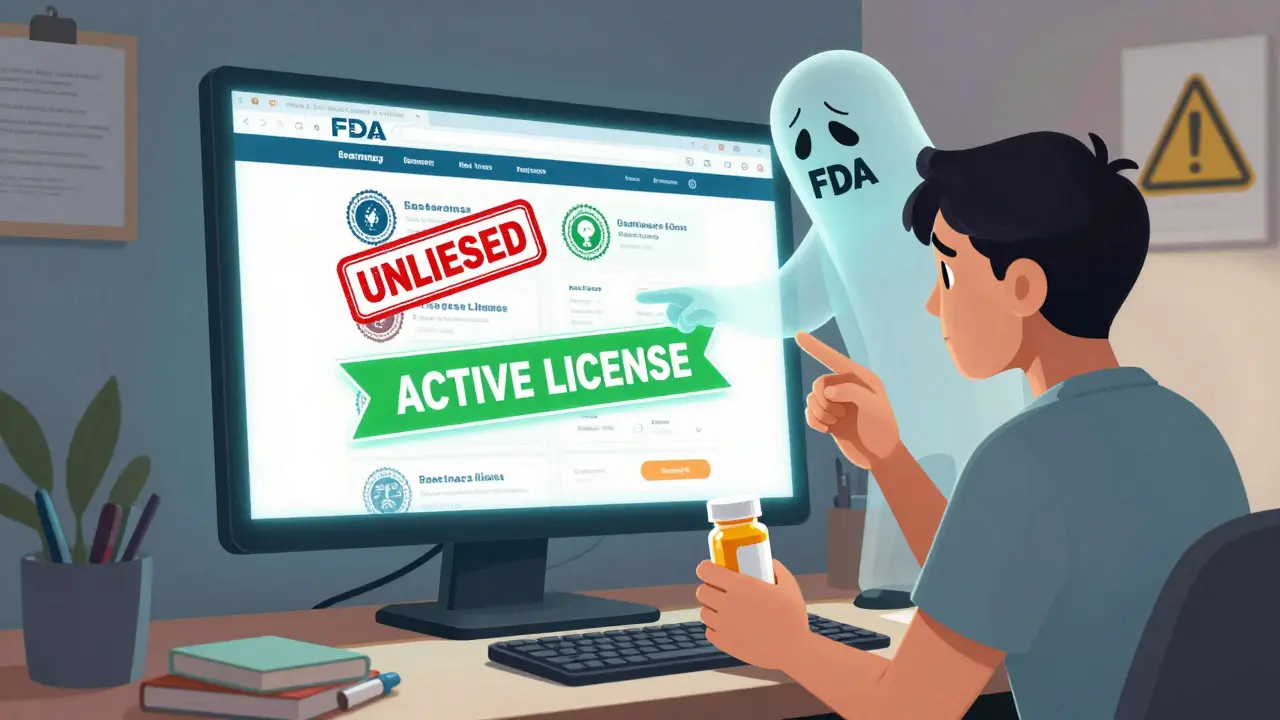
Buying medicine online sounds convenient-until you realize how many fake pharmacies are out there. In 2022, the FDA shut down over 1,200 illegal online pharmacies that were selling fake, contaminated, or expired drugs. Many of these sites looked professional, used real logos, and even had customer reviews. But they had no valid license. That’s why checking an online pharmacy’s license isn’t just a good idea-it’s a life-saving step.
Why You Need to Verify an Online Pharmacy
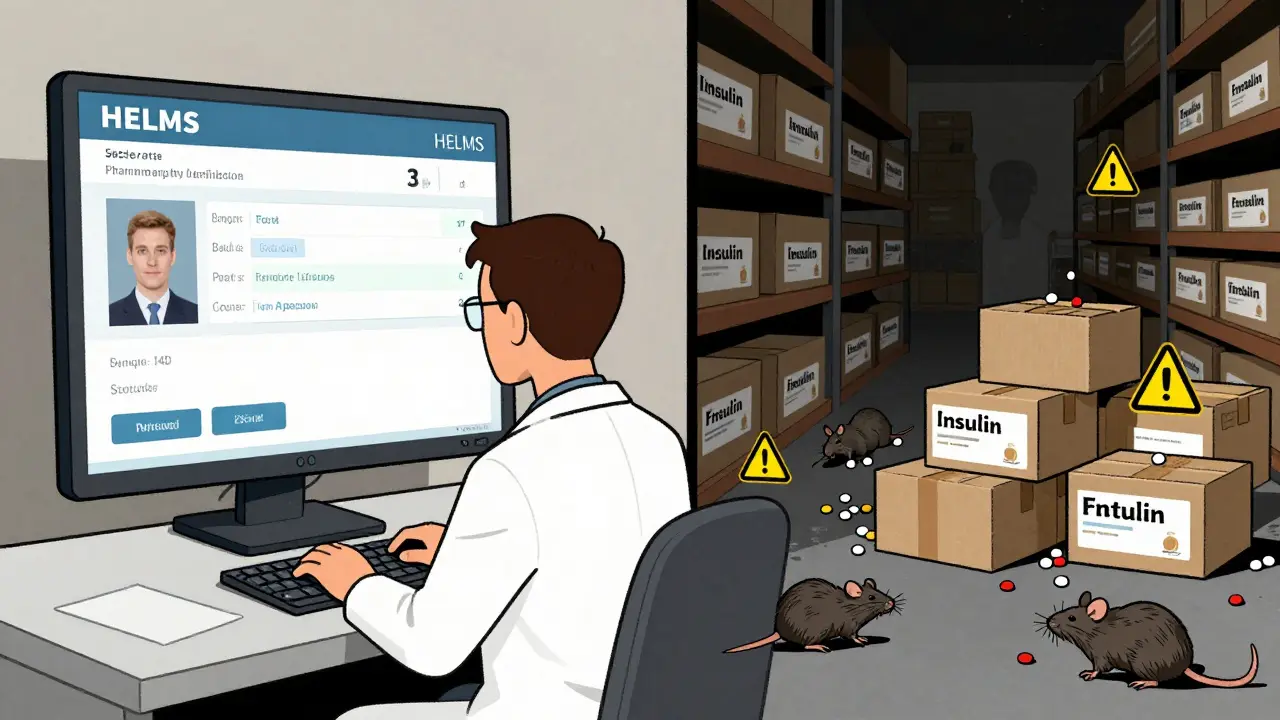
Not every website selling pills is legal. Some operate out of basements or foreign countries with no oversight. They might sell you water instead of insulin. Or worse, they could ship pills with dangerous ingredients like fentanyl or rat poison. The FDA found that nearly 96% of websites selling prescription drugs without a valid license are illegal.
Legitimate pharmacies are licensed by their state board of pharmacy. That means they’ve passed background checks, met facility standards, and employ licensed pharmacists. If a pharmacy won’t show you its license number or refuses to let you verify it, walk away.
Real pharmacies display their license number on their website-usually in the footer or "About Us" section. If you don’t see it, assume the worst. And never buy from a site that doesn’t require a prescription. That’s a red flag.
How State Pharmacy Verification Systems Work
Every U.S. state runs its own online system to check if a pharmacy is licensed. These aren’t fancy apps-they’re simple web portals you can use from any browser. In Washington State, for example, the system is called HELMS (Healthcare Enforcement and Licensing Management System). It’s free, fast, and updated daily.
Here’s how it works in most states:
- Go to your state’s Department of Health or Board of Pharmacy website.
- Find the "License Verification" or "Verify a Pharmacy" link.
- Search by the pharmacy’s name or license number.
- Check the status: "Active" means it’s legal. "Expired," "Suspended," or "Revoked" means don’t buy from them.
- Look for disciplinary actions-some systems show past violations.
Washington State’s HELMS system returns results in under 3 seconds. It shows the pharmacy’s full legal name, license number, expiration date, and whether it’s in good standing. It even lists any past disciplinary actions, like fines or suspensions.
But here’s the catch: each state has its own system. If a pharmacy operates in multiple states, you have to check each one. A pharmacy licensed in Washington might be unlicensed in California. That’s why some people use a national service instead.
NABP Verify: The National Solution
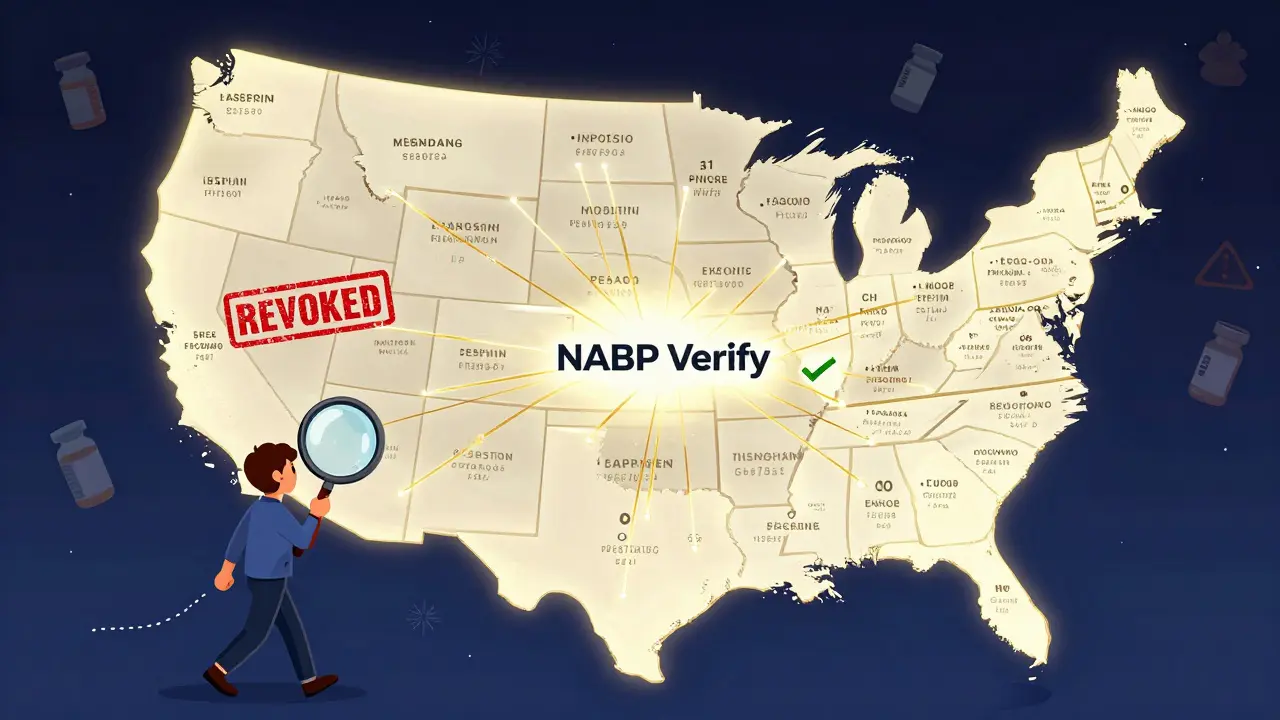
The National Association of Boards of Pharmacy (NABP) runs a service called NABP Verify is a centralized system that checks licenses across 41 U.S. states and territories in real time.
Unlike state systems, NABP Verify doesn’t require you to jump between 10 different websites. You search once, and it pulls data from all connected boards. It’s especially useful if you’re verifying a pharmacy that ships nationwide.
Here’s how it compares:
| Feature | State Verification System | NABP Verify |
|---|---|---|
| Cost | Free | $79 per year |
| Coverage | One state only | 41 states + territories |
| Update Speed | 24-72 hours | Real-time |
| Search Options | Name or license number | Name, license number, address |
| Best For | Local pharmacies | Multi-state or mail-order pharmacies |
For individual consumers, state systems are usually enough. But for hospitals, clinics, or pharmacies that work across state lines, NABP Verify saves hours. A 2023 study in the Journal of the American Pharmacists Association found it cut verification time from 47 minutes to just over 3 minutes.
Still, the $79 fee is a barrier. Many small pharmacies and individual practitioners skip it. That’s risky. The FDA recommends NABP Verify for any organization that sources medications from multiple states.
What to Look for in a License
Just seeing a license number doesn’t mean it’s real. Scammers sometimes copy numbers from legitimate pharmacies. Here’s what to check:
- Active status-If it says "Expired," "Inactive," or "Revoked," the pharmacy is not authorized to operate.
- Exact match-Compare the name on the website with the name on the license. A slight variation (like "Pharmacy Express" vs. "Pharmacy Express, LLC") could mean fraud.
- Expiration date-Licenses typically renew every 1-2 years. If it expired last year, don’t trust it.
- Disciplinary history-Some states show past violations. A pharmacy with multiple complaints about counterfeit drugs or mislabeling is a danger.
- Physical address-Legitimate pharmacies list a real street address, not just a PO box.
Washington State’s system even shows if a pharmacy has been cited for selling drugs without a prescription. That’s a major red flag.
Common Mistakes People Make
Many users think they’ve verified a pharmacy when they haven’t. Here are the top errors:
- Checking only the website’s "Verified" seal-Many fake pharmacies buy fake seals from third-party sites. Look for the official state license number, not logos.
- Assuming a .pharmacy domain means it’s safe-While the .pharmacy domain is restricted to licensed pharmacies, scammers have found ways to spoof it. Always cross-check with the state board.
- Using third-party verification tools-Sites like "PharmacyChecker.com" or "LegitScript" aren’t official. They’re commercial services that may miss recent suspensions.
- Not verifying before the first order-Don’t wait until you get sick medication. Verify before you pay.
- Only checking one state-If a pharmacy ships to you from another state, verify both your state and theirs.
A 2023 case in Illinois showed how dangerous this can be. A hospital hired a pharmacist who appeared licensed in Illinois-but his license had been revoked six months earlier. They only checked the hospital’s internal database, not the state’s official system. The result? A $250,000 settlement after a patient suffered a severe reaction to a mislabeled drug.
What’s Changing in 2026
The system isn’t perfect, but it’s getting better. Washington State is rolling out HELMS 2.0 in late 2024, which will cut search time to under 1.5 seconds and add direct API links to electronic health records. That means doctors and pharmacists will be able to verify a pharmacy’s license right from their computer system.
NABP is adding 14 more states to its real-time network by 2025, bringing total coverage to 55 jurisdictions-including territories like Puerto Rico and Guam.
The FDA has allocated $15 million in grants to help states upgrade their systems. Washington received $478,000 to improve its platform. These upgrades are critical-12 states currently spend less than $50,000 a year on verification infrastructure, even though they process over 10,000 checks annually.
Looking ahead, experts predict blockchain and biometric verification will replace today’s systems by 2028. But for now, the tools we have are reliable-if you use them right.
Quick Checklist: How to Verify an Online Pharmacy
- Find the pharmacy’s license number on its website.
- Go to your state’s Board of Pharmacy website (e.g., doh.wa.gov for Washington).
- Use the license number or exact business name to search.
- Confirm the status is "Active" and the expiration date is in the future.
- Check for disciplinary actions or past violations.
- If the pharmacy ships across state lines, verify with NABP Verify (if you’re a professional) or check each state individually.
- Never buy from a site that doesn’t require a prescription.
How do I find my state’s pharmacy verification website?
Go to the National Association of Boards of Pharmacy (NABP) website and use their State Board Directory. It lists every state’s official pharmacy board with direct links. Avoid third-party sites-only trust government domains ending in .gov.
Can I verify a pharmacy by phone?
Some state boards offer phone verification, but it’s slower and less reliable. Online systems are updated daily and show full records, including disciplinary history. Phone checks often only confirm if a license exists, not its current status.
What if the pharmacy says it’s licensed but I can’t find it in the system?
That’s a major red flag. It could mean the license is expired, revoked, or fake. Double-check the spelling of the name and license number. If it still doesn’t show up, contact your state board directly. Never assume the pharmacy is telling the truth.
Is NABP Verify worth the $79 fee?
If you’re a healthcare provider, pharmacist, or pharmacy that works across state lines, yes. It saves hours and reduces risk. For individual consumers buying from one pharmacy, your state’s free system is usually enough. But if you’re ordering from multiple sources, NABP Verify is worth the cost.
Are online pharmacies in Canada or other countries safe?
Not necessarily. Even if they claim to be "Canadian" or "UK-based," they may not be licensed under U.S. or international standards. The FDA warns that 90% of online pharmacies outside the U.S. are illegal. Always verify through U.S. state boards-even if the pharmacy ships from abroad.
Next Steps: Protect Yourself
If you’ve ever bought medicine online, go back and verify that pharmacy today. It takes less than five minutes. If you’re a healthcare worker, make verification part of your standard procedure-don’t rely on a vendor’s word. And if you’re setting up a new online pharmacy, start with your state’s licensing board early. The process can take 45-60 days.
The truth is simple: if you can’t verify a pharmacy’s license, you shouldn’t buy from it. There’s no shortcut. No app. No guarantee. Just a state website, a license number, and your own caution.


Buddy Nataatmadja
11 March / 2026Honestly, I never thought about verifying online pharmacies until my grandma got sick from a fake blood pressure med. She’s fine now, but man-that was a scare. Just went to our state’s site and typed in the pharmacy name. Took 10 seconds. Should be mandatory info on every ad.