CKD Medication Risk Checker
Medication Safety Profile
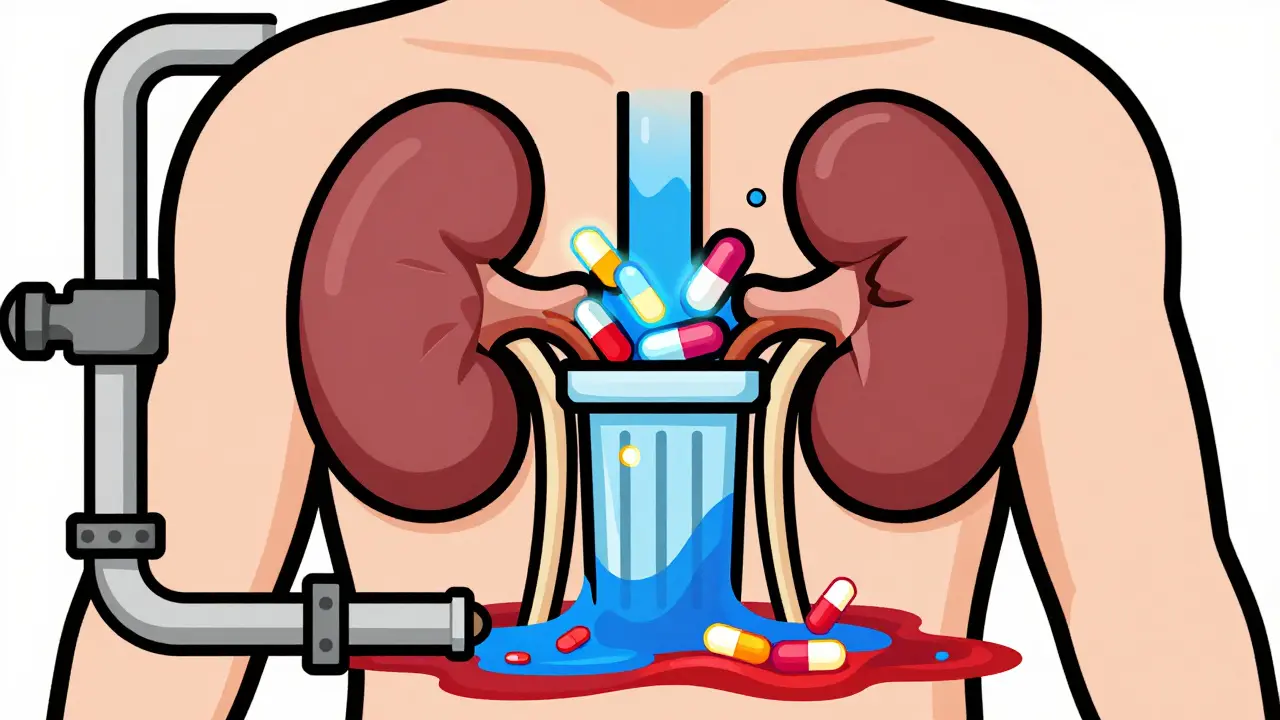
Why Medications Build Up in Your System
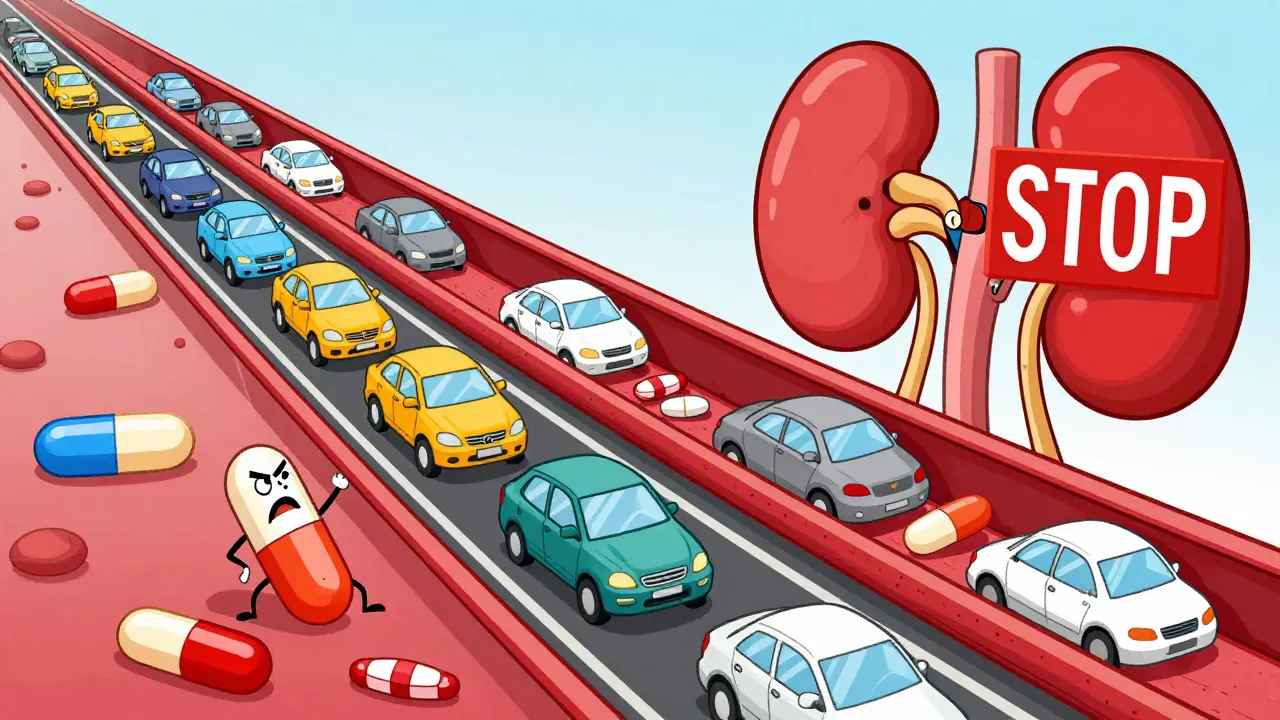
To understand the risk, you have to look at how the body clears drugs. Normally, your kidneys use glomerular filtration and tubular secretion to push waste and meds into your urine. In CKD, these processes break down. When your eGFR falls below 60 mL/min/1.73m² (which marks Stage 3 CKD), the "drain" is partially clogged. This isn't just about filtration, though. Some drugs bind to proteins in your blood; in kidney disease, this binding can change, leaving more of the "free" drug active in your system to cause damage. When polypharmacy kicks in-which is common since CKD patients often take 10 to 12 different prescriptions for blood pressure or diabetes-the risk of a toxic interaction skyrockets. It's like a traffic jam where no one is exiting the highway, and more cars keep entering.The Red Zone: High-Risk Medication Classes
Not all drugs are created equal when it comes to kidney risk. Some are simply cleared by the kidneys, while others actually attack the kidneys while they are trying to leave.The most notorious culprits are Non-steroidal anti-inflammatory drugs (or NSAIDs), which are a group of medications like ibuprofen, naproxen, and diclofenac used to treat pain and inflammation. In a healthy person, these are fine. In someone with an eGFR under 60, they can restrict blood flow to the kidneys by blocking prostaglandins. This can increase the risk of acute kidney injury (AKI) by three times. For those in Stage 4 or 5, these drugs are essentially off-limits.
Then there are medications with a "narrow therapeutic window." This means the difference between a dose that heals and a dose that poisons is very small. For example, transplant patients using calcineurin inhibitors like tacrolimus face a tightrope walk; if the drug level rises just 20-30% above the target, it can cause immediate vessel constriction in the kidneys, leading to permanent scarring and atrophy.| Medication Class | Example Drugs | Renal Impact / Risk | Safe CKD Threshold |
|---|---|---|---|
| NSAIDs | Ibuprofen, Naproxen | Reduces blood flow; high AKI risk | Avoid if eGFR < 30 |
| Biguanides | Metformin | Risk of lactic acidosis | Stop if eGFR < 30 |
| DOACs | Apixaban, Rivaroxaban | High accumulation; bleeding risk | Requires dose adjustment |
| Sulfonylureas | Glyburide, Glipizide | Severe, prolonged hypoglycemia | Use Glipizide instead |
Hidden Dangers in Common Treatments
Many people don't realize that a simple antibiotic or a blood thinner can become dangerous as kidney function declines. Take Direct Oral Anticoagulants (or DOACs), which are medications used to prevent blood clots, such as apixaban and rivaroxaban. Because these rely heavily on renal clearance, patients in Stage 4 CKD face a 40% higher risk of bleeding compared to those in Stage 2. Diabetes medications are another danger zone. Metformin is a gold-standard drug, but if your eGFR drops below 30, it can trigger lactic acidosis-a life-threatening buildup of acid in the blood. Similarly, certain sulfonylureas like glyburide can see their elimination half-life increase by 500%, meaning a single dose could keep your blood sugar dangerously low for over 72 hours. In contrast, a drug like glipizide is cleared differently and remains safe across all stages of kidney disease. Even some antivirals like aciclovir can cause "crystal nephropathy," where the drug crystallizes inside the kidney tubules, leading to mental confusion or seizures in about 20% of patients with impaired function.The Cost of Dosing Errors
When a doctor prescribes a standard dose to a patient with undiagnosed or ignored CKD, the results are often catastrophic. Drug-induced AKI is responsible for nearly 30% of all kidney injury cases in hospitals, and the mortality rate for these cases is nearly double that of non-drug-induced injuries. This is often a failure of measurement. Many providers look only at serum creatinine levels-a snapshot of waste in the blood-without calculating the eGFR. This oversight happens in about 35% of primary care visits. When you combine that with a failure to adjust doses for drugs with over 50% renal clearance, you get a recipe for disaster. Economically, this is a nightmare: drug-induced kidney injury adds up to $15,000 per hospital stay. Considering that 38% of these cases are preventable, it's a massive waste of healthcare resources.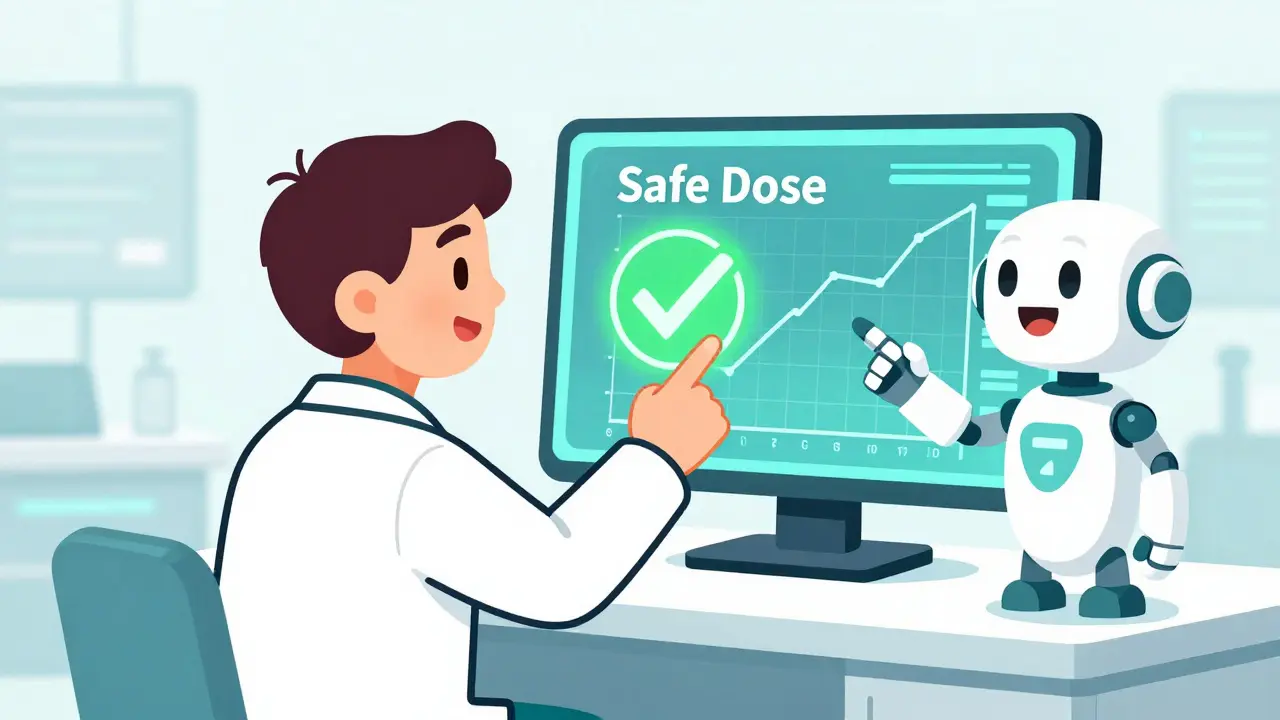
How to Manage Your Medications Safely
If you or a loved one are navigating kidney disease, the goal is simple: match the dose to the "drain." The gold standard for this is the Cockcroft-Gault formula or the CKD-EPI equation, which tells your doctor exactly how much medicine your body can actually handle. For example, a potent antibiotic like vancomycin usually requires a dose every 12 hours. But if your eGFR is below 30, that same dose might only be given every 48 to 72 hours. Without this adjustment, the drug reaches toxic levels that can damage the ears or cause further kidney failure. To stay safe, follow these practical rules of thumb:- Question every "OTC" drug: Just because it's over-the-counter doesn't mean it's safe. Always ask if an NSAID is appropriate for your current eGFR.
- Keep a master list: Because you might see a nephrologist, a cardiologist, and a GP, ensure every doctor knows exactly what you're taking to avoid dangerous combinations, like pairing ACE inhibitors with trimethoprim.
- Track your labs: Know your eGFR, not just your creatinine. If your number drops, your medications may need an immediate review.
- Use technology: Tools like the Meds & CKD app help patients track risks and improve conversations with their doctors.
The Future of Kidney-Safe Prescribing
We are moving toward a world where the "human error" element of dosing is removed. The FDA has already approved platforms like KidneyIntelX, which uses machine learning to predict toxicity risks with 89% accuracy. The goal is to integrate these tools directly into electronic health records. Imagine a system where a doctor tries to prescribe ibuprofen for a patient with Stage 3 CKD, and the computer instantly blocks the order and suggests a safer alternative. Experts predict this could reduce dosing errors by 75% within a few years. Additionally, pharmacogenomic-guided dosing is being tested to tailor medication not just to your kidney function, but to your specific genetic makeup, which has already shown a 63% reduction in adverse events in early trials.What exactly is medication accumulation?
Medication accumulation happens when the kidneys cannot remove a drug from the bloodstream as fast as it is being administered. This leads to an increase in the drug's concentration in the body, which can eventually reach toxic levels, causing side effects or organ failure.
Why are NSAIDs so dangerous for people with kidney disease?
NSAIDs like ibuprofen and naproxen block prostaglandins, which are chemicals that keep the blood vessels in the kidneys open. By blocking them, NSAIDs restrict blood flow to the kidneys, which can trigger acute kidney injury, especially in people whose eGFR is already below 60.
Can I still take Metformin if I have CKD?
It depends on your eGFR. Generally, dose reductions are needed when eGFR falls below 45 mL/min/1.73m². However, if your eGFR drops below 30, Metformin must be discontinued because the risk of lactic acidosis-a dangerous buildup of acid in the blood-becomes too high.
What is the difference between eGFR and serum creatinine?
Serum creatinine is a measure of a waste product in your blood; it's a raw number. eGFR (estimated Glomerular Filtration Rate) uses that creatinine number along with your age, sex, and weight to estimate how much blood your kidneys are actually filtering per minute. eGFR is a much more accurate tool for determining if a drug dose needs adjustment.
How often should my medications be reviewed if I have CKD?
Guidelines suggest a full review of all medications whenever your eGFR falls below 60, or whenever there is a significant change in your kidney function. Because CKD can progress, a dose that was safe six months ago might be toxic today.