
It’s easy to think that if a pill still looks fine, it’s still safe to take. But when it comes to certain medications, appearance doesn’t tell the whole story. The expiration date on your medicine isn’t just a suggestion-it’s a hard cutoff set by manufacturers based on rigorous testing. After that date, the drug may not work at all, or worse, it could harm you. The FDA has been clear since 1979: expired medications can lose potency or become unsafe. And while some pills might still be okay months or even years past their date, there are a few critical medicines you should never, ever use after they expire.
Insulin: A Life-Saving Drug That Fails Without Warning
Insulin is one of the most dangerous medications to use after expiration. It doesn’t just lose effectiveness-it breaks down into clumps of protein that your body can’t absorb properly. Research from the Journal of Diabetes Science and Technology in 2021 showed that expired insulin can lose up to 35% of its glucose-lowering power. For someone with type 1 diabetes, that’s not a minor drop-it’s a risk of diabetic ketoacidosis, hospitalization, or even death.
Even if the vial looks clear and the liquid hasn’t changed color, the insulin could still be degraded. Temperature matters too. If it’s been left in a hot car, near a stove, or in a bathroom cabinet, it degrades faster. The Cleveland Clinic recommends replacing insulin 28 days after opening-even if the expiration date is still months away. Never rely on an expired pen or vial. When your life depends on precise dosing, there’s no room for guesswork.
Nitroglycerin: The Heart’s Emergency Lifeline That Fades Fast
Nitroglycerin tablets are meant to open up blood vessels during a heart attack or angina attack. But they’re incredibly unstable. Once the bottle is opened, the medication begins to break down. Studies from University Hospitals Cleveland Medical Center in 2023 found that within just six months past the expiration date, nitroglycerin can lose 40-60% of its potency.
Imagine chest pain striking, you grab your bottle, pop a tablet-and nothing happens. That’s not a placebo effect. That’s a failed drug. The FDA warns that relying on expired nitroglycerin can delay critical treatment and increase the risk of heart damage or death. Even if the tablets smell faintly like alcohol (which they should), that doesn’t mean they’re still active. Replace them every 3-6 months after opening. Keep them in their original glass bottle, tightly closed, away from heat and light.
Liquid Antibiotics: A Recipe for Resistance and Infection
Liquid antibiotics like amoxicillin suspension are especially risky after expiration. Unlike pills, liquids are prone to bacterial contamination once the preservatives break down. The FDA’s 2019 antimicrobial resistance study found that 12% of cases where infections didn’t fully clear were linked to patients using expired liquid antibiotics.
But it’s not just about the medicine not working. Taking a weakened antibiotic doesn’t kill all the bacteria-it kills the weak ones, leaving behind the toughest. Those survivors multiply, creating drug-resistant superbugs. The CDC’s 2022 Antimicrobial Resistance Threats Report lists this as a growing public health crisis. If your child’s ear infection isn’t improving after a few days on an expired antibiotic, don’t push through. See a doctor. Get a fresh prescription. Your body-and the world’s ability to fight infections-depends on it.
Tetracycline: The Only Antibiotic That Turns Toxic
Most expired drugs just stop working. Tetracycline is the exception. When it degrades, it turns into compounds that can damage your kidneys. The FDA first warned about this in 1963, and the risk hasn’t gone away. Even a single dose of degraded tetracycline can cause renal tubular damage, leading to acute kidney injury.
This isn’t theoretical. Cases have been documented in medical journals where patients developed kidney failure after taking old tetracycline pills they found in a drawer. If you have any tetracycline, doxycycline, or minocycline past their expiration date, throw them out. No exceptions. No “I’ll just take half.” If it’s expired, it’s dangerous.

Epinephrine Auto-Injectors: When Seconds Matter
Epinephrine, delivered through an EpiPen or similar device, is the only treatment that can stop a fatal allergic reaction. But it doesn’t last forever. According to stability data from Mylan Pharmaceuticals, epinephrine loses about 15% of its potency each year after expiration. That means a device that expired two years ago could be delivering less than 70% of the needed dose.
Swedish Health Services documented 14 cases between 2020 and 2023 where people used expired epinephrine during anaphylaxis. Three ended up in the hospital because the auto-injector didn’t work. In one case, a teenager with a peanut allergy collapsed after using an expired pen. His family didn’t realize it had expired until after he was stabilized.
There’s no way to tell if the epinephrine is still good by looking at it. The liquid might still look clear. The device might click. But potency? Gone. Replace your EpiPen on the exact expiration date. Keep two on hand. If you’re traveling, carry a spare. Your life isn’t worth risking on an old device.
Rescue Inhalers: When Your Lungs Can’t Wait
Albuterol inhalers are used to open airways during asthma attacks. But after expiration, the active ingredient breaks down. Research from University Hospitals in 2023 showed that six months past the expiration date, bronchodilator effectiveness drops by 25-30%. That might not sound like much-but when you’re gasping for air, that 30% could mean the difference between breathing and calling 911.
Many people store inhalers in bathrooms, where humidity and heat accelerate degradation. Even if the inhaler still sprays, it might not be delivering the right dose. If your inhaler is expired, get a new one. Don’t wait for an attack to happen. Keep a backup. And if you’re using an old inhaler and it doesn’t help, seek emergency care immediately.
Eye and Ear Drops: A Hidden Risk of Infection
Eye and ear drops contain preservatives to keep bacteria out. Once those preservatives degrade after expiration, the bottle becomes a breeding ground for harmful microbes. Cleveland Clinic reported 17 cases of Pseudomonas keratitis-serious corneal infections-between 2020 and 2022, all linked to expired eye drops.
These infections can cause permanent vision loss. Ear drops can lead to otitis externa, a painful, hard-to-treat ear infection. There’s no way to tell if the drops are contaminated just by looking. Even if they’re clear and smell normal, the preservatives might be gone. Never use eye or ear drops past their expiration date. If you’re unsure, throw them out. Your eyes and ears can’t afford a gamble.
Thyroid Medication: Tiny Doses, Big Consequences
Levothyroxine, used to treat hypothyroidism, requires precise dosing. Even a 10% drop in potency can throw your metabolism out of balance. The American Thyroid Association found in 2022 that 68% of patients with thyroid conditions who used expired levothyroxine developed symptoms like fatigue, weight gain, depression, or heart palpitations.
Unlike insulin or epinephrine, you won’t have an immediate crisis. But over weeks or months, your body slowly deteriorates. Your cholesterol rises. Your heart works harder. Your energy vanishes. Many patients don’t realize their symptoms are from old medication-they blame stress or aging. If your thyroid medication is expired, get a new prescription. Don’t wait for symptoms to worsen.
What About Other Pills? Are They Always Safe?
Here’s the truth: most solid pills-like ibuprofen, acetaminophen, or antihistamines-don’t become toxic after expiration. The FDA’s 2020 study found that 90% of tested drugs remained effective up to 15 years past their date when stored properly. But that doesn’t mean you should keep them.
Why? Because you can’t be sure how they were stored. Was it hot? Humid? Was the bottle left open? Those factors matter more than the date on the label. And if you’re using it for something serious-a migraine, an infection, high blood pressure-you need it to work. Why risk it?
Also, if a pill looks different-crumbly, discolored, smells odd-don’t take it. Even if it’s within the expiration date. That’s a sign it’s degraded.
How to Store Medications Right
Proper storage can extend shelf life. But only so much. Keep all medications in a cool, dry place-like a bedroom drawer, not the bathroom. Humidity is the enemy. Heat kills potency. Light degrades chemicals. Don’t leave pills in your car, even in winter.
Keep them in their original containers. Those bottles are designed to block light and moisture. Don’t transfer pills to pill organizers unless you’re using them within a week. And never store medications near the stove, sink, or window.
How to Dispose of Expired Medications
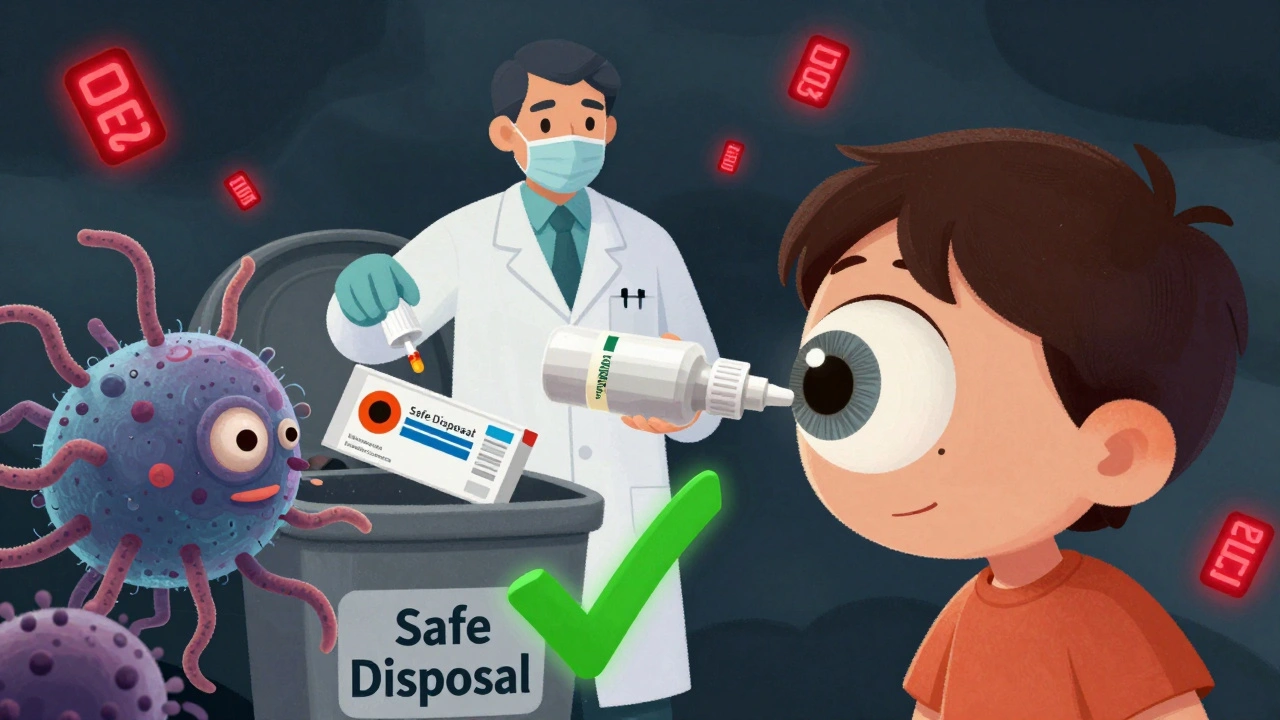
Don’t flush them. Don’t toss them in the trash. The DEA’s 2022 National Prescription Drug Take Back Day collected over 900,000 pounds of unused meds. Use a take-back program. Many pharmacies, hospitals, and police stations offer drop boxes.
If no program is available, mix pills with coffee grounds or cat litter, seal them in a bag, and throw them away. This makes them unappealing to kids or pets. For certain controlled substances, flushing is still recommended-check the FDA’s guidelines for your specific medication.
When in Doubt, Throw It Out
There’s no shame in replacing a medication. The cost of a new prescription is nothing compared to a hospital visit, a missed workweek, or a life-threatening reaction. If you’re unsure whether a drug is still good, ask your pharmacist. They’ve seen it all. They’ll tell you the truth.
For insulin, nitroglycerin, epinephrine, liquid antibiotics, tetracycline, eye drops, ear drops, and thyroid meds-never use them past the expiration date. No exceptions. No compromises. Your health isn’t worth the risk.
Can I still take expired painkillers like ibuprofen or acetaminophen?
Most solid pain relievers like ibuprofen or acetaminophen remain safe and effective for years past their expiration date if stored properly-cool, dry, and away from light. A 2020 FDA study found that 90% of tested drugs retained potency for up to 15 years after expiration. However, if the pills are cracked, discolored, or smell strange, throw them out. Even if the date hasn’t passed, degradation can happen from poor storage. For non-critical uses like occasional headaches, it’s usually fine. But if you’re using them for chronic pain or inflammation, get a fresh supply to ensure full effectiveness.
What happens if I accidentally take expired insulin?
Taking expired insulin can lead to dangerously high blood sugar because the medication no longer works as intended. You might not feel symptoms right away, but your glucose levels will rise over hours. This can lead to diabetic ketoacidosis, a life-threatening condition. If you suspect you’ve taken expired insulin, test your blood sugar immediately. If it’s high, follow your doctor’s emergency plan-take extra insulin if instructed, drink water, and seek medical help. Never assume an old vial will work. Always check the date before injecting.
Why do some medications expire so quickly after opening?
Some medications, like nitroglycerin tablets and liquid antibiotics, degrade quickly once exposed to air, moisture, or light. Nitroglycerin is volatile and loses potency within months after opening, even if the bottle’s expiration date is years away. Liquid antibiotics lack the stability of pills and are prone to bacterial growth once the preservatives break down. Manufacturers set short-use timelines based on real-world testing-not just shelf life. Always follow the instructions on the label: “Discard after 14 days” means exactly that.
Is it safe to use expired EpiPens in an emergency if nothing else is available?
In a true emergency with no alternative, using an expired EpiPen is better than doing nothing. But it’s not safe. Studies show expired pens deliver significantly less epinephrine-sometimes less than half the needed dose. If you use one and symptoms don’t improve within minutes, call 911 immediately. Do not delay seeking emergency care. The best practice is to always carry two unexpired EpiPens and replace them on the exact expiration date. Never rely on an old one as your primary defense.
How can I tell if my eye drops have gone bad?
If your eye drops look cloudy, have particles floating in them, changed color, or smell unusual, throw them out immediately-even if the expiration date hasn’t passed. But here’s the catch: you can’t always tell. Preservatives can break down without visible changes, allowing bacteria like Pseudomonas to grow. That’s why experts say never to use eye drops past their expiration date. One contaminated drop can cause a corneal ulcer, which may lead to permanent vision loss. When in doubt, replace them.


Brooke Evers
6 December / 2025I used to keep all my meds in the bathroom cabinet because it was convenient, until my mom had a near-miss with expired insulin. Now I keep everything in a sealed container in the back of my bedroom closet. I even label each bottle with the date I opened it. It’s a pain, yeah, but I’d rather be extra than lose someone I love because I was too lazy to throw something out. If you’re reading this and you’ve got old insulin, epinephrine, or antibiotics sitting around-just go do it. Go throw them out. Right now. I’ll wait.
And if you’re thinking ‘but it still looks fine’-that’s exactly what they all say before the hospital visit. Appearance doesn’t save lives. Proper storage and timely replacement do.
I’ve started keeping a little notebook where I write down when I refill prescriptions. It’s dumb, but it’s saved me twice already. My pharmacist thinks I’m obsessive. I think I’m smart.
Also, if you’re using eye drops past their date, please just stop. One contaminated drop can blind you. I know someone who lost 60% of their vision from that exact thing. It’s not a scare tactic. It’s real. Don’t gamble with your eyes.
And yes, I know ibuprofen’s probably fine. But if it’s been sitting in your car for three summers? Throw it out. Heat kills. Humidity kills. Laziness kills too, in its own quiet way.
Just replace it. It’s cheaper than a hospital bill. And way cheaper than regret.
I’m not trying to be dramatic. I’m just tired of seeing people treat their health like it’s disposable.
Be kind to your body. It’s the only one you’ve got.