Hypertensive Crisis: What It Is, Why It’s Dangerous, and What to Do
When your blood pressure shoots up to dangerous levels — above 180/120 mm Hg — you’re facing a hypertensive crisis, a sudden, severe rise in blood pressure that can damage organs and lead to stroke, heart attack, or kidney failure. Also known as hypertensive emergency or hypertensive urgency, it’s not just a number on a monitor — it’s a medical alarm. This isn’t the same as having high blood pressure for years. This is your body screaming for help right now.
A hypertensive emergency, a subset of hypertensive crisis where organs are already being damaged means you could be having a stroke, heart failure, or acute kidney injury. Think chest pain, blurred vision, confusion, or trouble breathing. These aren’t side effects — they’re warning signs your body is failing. On the other hand, hypertensive urgency, a severe spike without organ damage still needs fast treatment, but you might not be in the ER yet. Both require immediate attention. Skipping care because you "feel okay" is a dangerous mistake.
What triggers this? Often, it’s not a single cause. Missing blood pressure meds, using cocaine or amphetamines, kidney disease, or even sudden stress can push you over the edge. People with uncontrolled hypertension are at highest risk, but even those who think they’re managing it can slip through the cracks. The real danger? Many don’t know they’re in trouble until it’s too late. Blood pressure doesn’t always cause obvious symptoms — until it does, and then it’s already too late.
You’ll find real stories and practical advice in the posts below. From how to recognize the early signs of a spike, to what meds are used in the hospital, to why some home remedies can make things worse. We cover what happens when blood pressure crashes too fast after a crisis, how certain drugs like NSAIDs or decongestants can trigger it, and what to do if you’re caring for someone at risk. These aren’t theory pages — they’re based on real cases, patient experiences, and clinical guidelines.
If you or someone you know has high blood pressure, this isn’t just information — it’s a lifeline. Know the signs. Know what to do. And don’t wait for the worst to happen before you act.
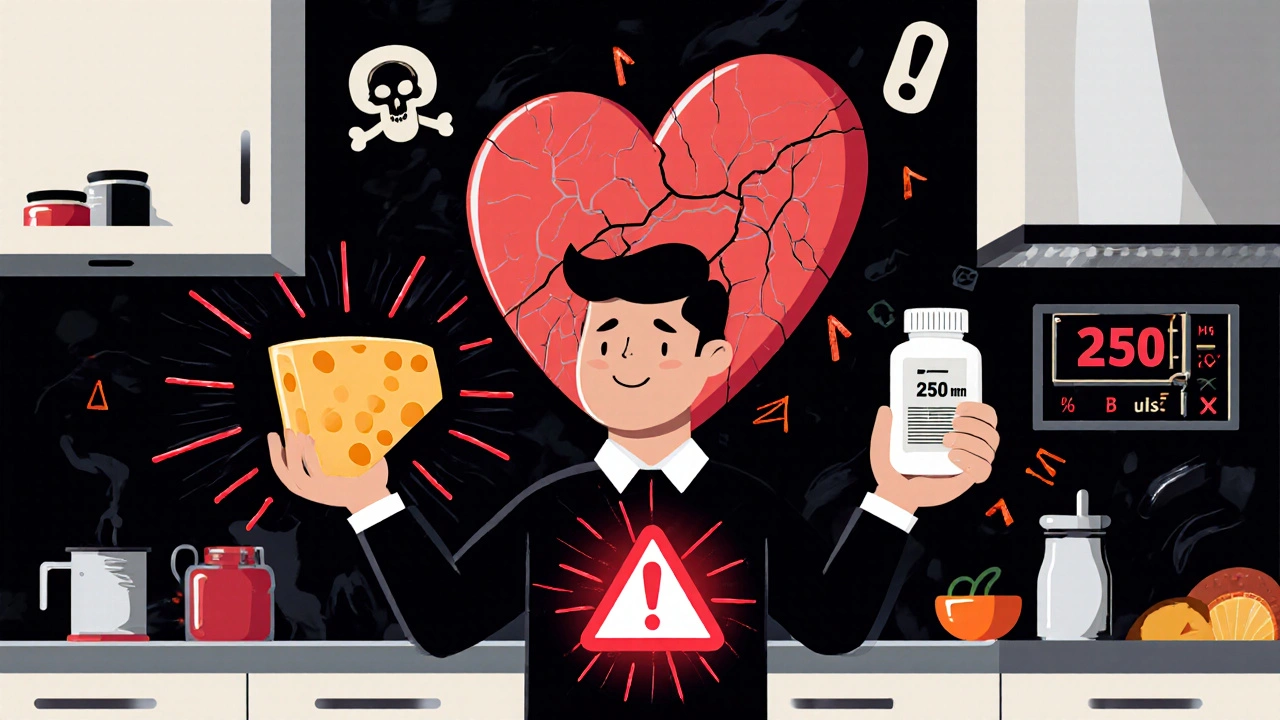
MAO inhibitors can be life-saving for treatment-resistant depression - but dangerous interactions with common medications, supplements, and foods can cause deadly spikes in blood pressure or serotonin syndrome. Know the risks before taking them.
View Details