Food Drug Interactions: What You Need to Know Before You Eat
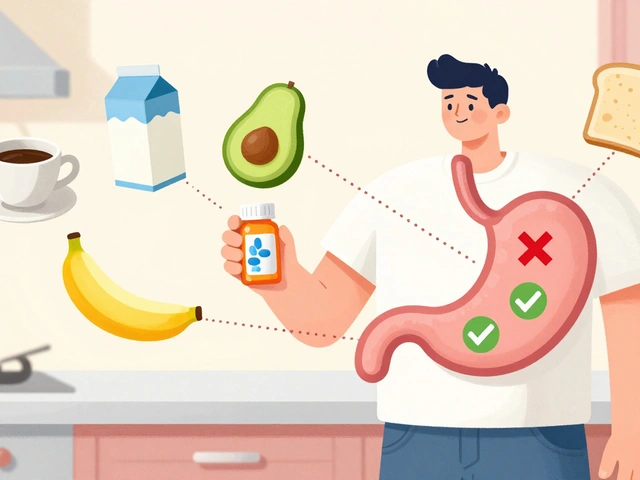
When you take a medication, what you eat can make it work better, worse, or even cause serious harm. This is called a food drug interaction, a reaction between a medication and something in food, drink, or supplements that changes how the drug behaves in your body. Also known as dietary-drug interactions, these aren’t just theoretical—they happen every day, often without people realizing it. A simple glass of grapefruit juice can turn a routine statin into a liver stress test. A daily multivitamin with iron might block your antibiotic cold in its tracks. These aren’t rare edge cases. They’re everyday risks hidden in plain sight.
Some drug interactions, harmful or altered effects caused by combining medications with other substances are well-known, like MAO inhibitors and aged cheese causing deadly blood pressure spikes. Others sneak up on you—like taking dietary supplements, over-the-counter products taken to improve health that can interfere with prescription drugs such as 5-HTP alongside SSRIs, which can trigger serotonin syndrome. You don’t need a pharmacy degree to spot trouble. Just ask: Is this pill paired with something I eat every day? Is my supplement really harmless? The answer isn’t always obvious. Even something as simple as calcium in fortified orange juice can reduce how much of your thyroid med your body absorbs. And if you’re on blood thinners, leafy greens aren’t just healthy—they’re a tightrope walk.
These aren’t just about avoiding bad combos. They’re about understanding how your body processes what you take. Some drugs are broken down by the same liver enzymes that handle grapefruit, alcohol, or even St. John’s wort. When those pathways get clogged or overloaded, your meds build up to dangerous levels—or vanish before they can help. That’s why tracking your meds, like in a medication journal, isn’t just helpful—it’s lifesaving. You don’t need to memorize every possible combo. You just need to know the big ones that affect your specific drugs, and who to ask when you’re unsure.
Below, you’ll find real, practical guides on the most dangerous and common interactions—from how valproate and lamotrigine can trigger skin rashes if doses aren’t adjusted, to why mixing 5-HTP with antidepressants can be deadly. You’ll learn how liver disease changes opioid risks, why vitamin B12 drops with long-term metformin, and how to spot the difference between a side effect and a true allergy. These aren’t abstract warnings. They’re stories from real patients and doctors who’ve seen what happens when people don’t know the rules. Read them. Use them. Your next meal might be safer because of it.
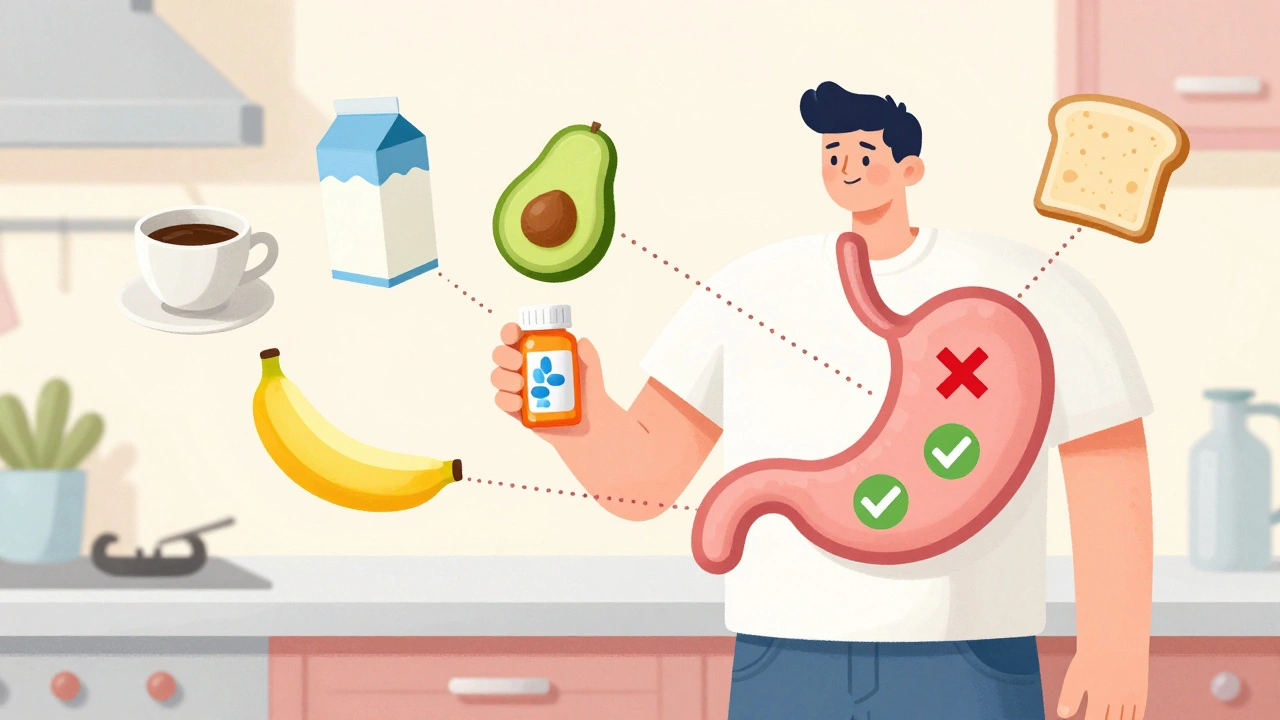
Learn when to take your medications with or without food to ensure proper absorption. Discover which drugs need fat, which are blocked by dairy, and how timing affects your health.
View Details