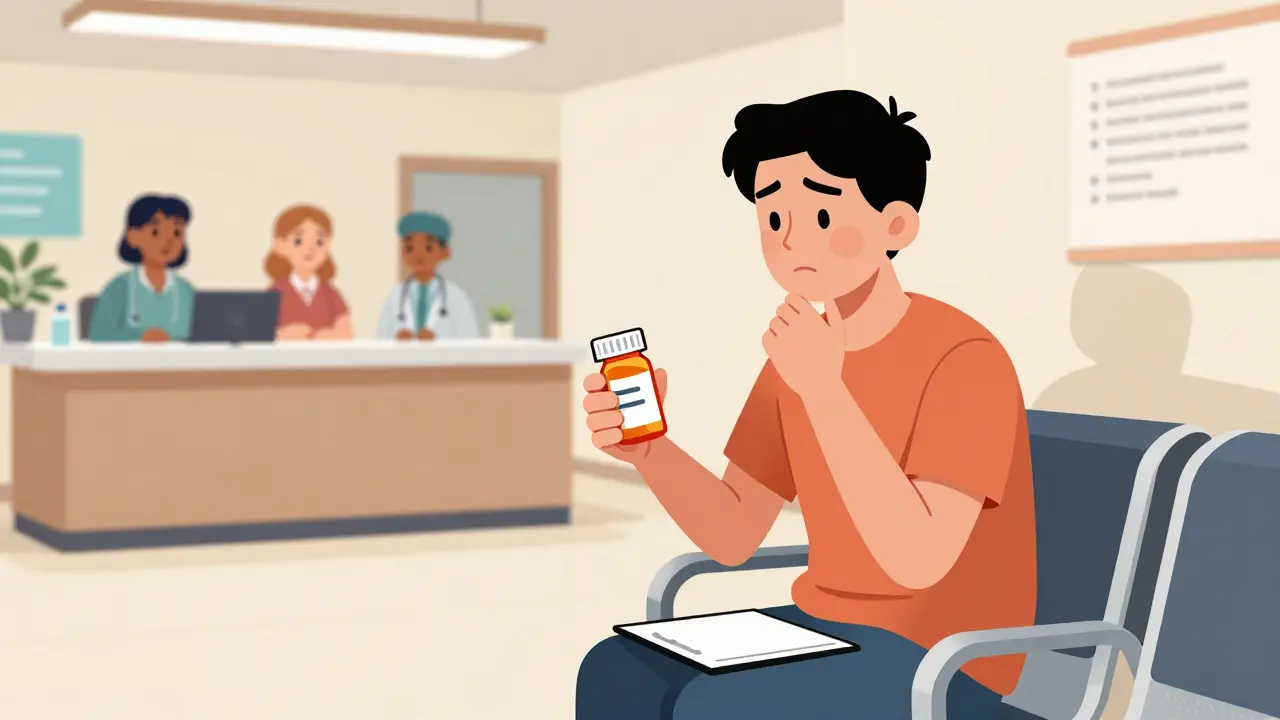
Most medication errors are stopped before they hurt anyone, but that only happens when someone speaks up. According to the Institute for Safe Medication Practices (ISMP), 87% of preventable adverse drug events are identified through staff and patient reporting before they actually reach the patient. Yet, many people walk away from a clinic after worrying something went wrong, assuming there is nothing they can do or that speaking up will cause trouble for the doctors. This hesitation is unfortunate because internal clinic reporting forms the first line of defense in healthcare quality. When you report a concern directly to the clinic, you trigger immediate risk mitigation that protects not just you, but future patients. This guide explains exactly how to navigate the process, what information you need to gather, and what response you should legally and ethically expect.
The Difference Between Clinic and External Reporting
It helps to understand where your report goes. When you report a medication concern to your doctor's office or hospital clinic, you are using an internal clinic safety system. This is different from sending a complaint to a government agency like the FDA in the United States or the Therapeutic Goods Administration in Australia. Internal systems are designed for speed and local improvement. For instance, research shows that facilities with robust internal reporting systems reduce medication errors by 32.7% within 18 months of implementation because they fix the specific workflow that failed. In contrast, external agencies collect data to track national trends, which often takes months to process. If you want your specific clinic to change how they hand out pills or check allergies, an internal report is the fastest way to drive that change.
Internal clinic safety systems are electronic or paper-based platforms integrated with a medical practice's daily operations. They allow staff to categorize errors, assign them to safety officers, and track resolution times. These systems usually comply with standards set by accrediting bodies like The Joint Commission, requiring 100% of accredited facilities to establish a formal process for reporting safety events.Gathering the Right Details Before You Speak Up
Clarity is your best tool. When a clinic receives a vague worry like "I think the medicine was wrong," it is hard for them to investigate. To get a meaningful result, you need to prepare a small packet of facts. Do not wait until you leave the building to try to recall details; memory fades quickly. Start by looking at your prescription bottle or packaging. Write down the exact medication name, the strength (dose), and the instructions on the label versus what you actually received. Note the date and time you got the medication. If you experienced any side effects, describe exactly what happened and when it started.
Having physical proof helps immensely. If possible, keep the packaging, the label, or even a photo of the pill organizer. One study published in the Journal of Ambulatory Care Management highlighted a case where a patient kept their insulin packaging. When they reported a dosing error, the clinic compared the physical vial against their records and found a labeling mix-up immediately. Without the packaging, the clinic couldn't prove what went wrong. Also, record the names of the staff members who were involved, such as the nurse who administered the shot or the pharmacist who handed you the script. This doesn't mean you are accusing them personally, but it allows the clinic to retrain the right person.
Choosing the Best Channel to Submit Your Report
You have options on how to submit your concern, and some are better than others depending on the severity. Most clinics offer multiple paths, and choosing the right one ensures your report lands on the correct desk. The front desk staff can take a verbal note, but this sometimes gets lost in the admin queue. For a formal medication safety concern, aiming for the nursing station or the online patient portal is often more direct. Approximately 68% of clinics now accept these reports through digital portals where the information bypasses general reception staff and goes straight to clinical management.
| Channel Type | Best For | Average Processing Time |
|---|---|---|
| Front Desk / Verbal | Immediate concerns requiring urgent attention | Minutes to hours |
| Online Patient Portal | Detailed written accounts and uploading photos | 24-48 hours |
| Nursing Station | Direct communication with clinical staff | Hours |
| Patient Safety Hotline | Serious errors or sensitive complaints | 1-2 hours |
If you feel your concern isn't being taken seriously by general staff, ask specifically to speak with the clinic's Patient Safety Officer. This role is mandated in 100% of accredited facilities under regulations like The Joint Commission Standard LD.03.01.01. These officers are trained to handle incidents without judgment and focus purely on fixing the system. Mentioning this specific title signals that you understand the safety protocols, often prompting a more professional response.
A Patient Safety Officer is a designated leader responsible for managing incident reports, conducting root cause analysis, and ensuring follow-up actions are taken. They operate under a "just culture" model, meaning they look for system failures rather than blaming individual workers.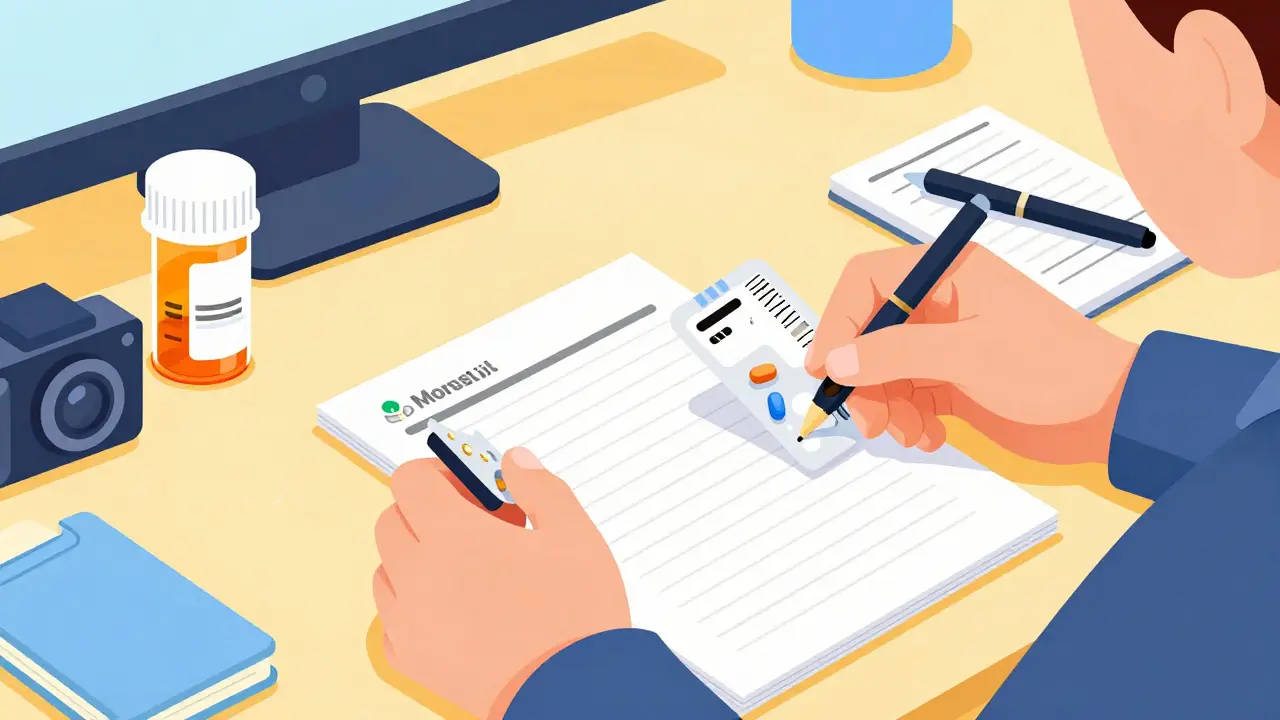
Understanding the Timeline and Follow-Up Process
Patience is important, but you still deserve timely updates. After submitting a report, most clinics will acknowledge receipt within 24 hours. This acknowledgment is a requirement for compliance; it proves the system received your data. Following the initial acknowledgment, the actual investigation happens. Research indicates that 78% of clinics require reports to be completed and reviewed within 24 hours of discovery, with follow-up analysis finalized within 72 hours. You should plan to wait at least three days for a substantive reply explaining what findings were made.
What happens during those three days? The safety team typically uses a method called Root Cause Analysis. They aren't just asking "Who messed up?" Instead, they look at the chain of events. Maybe the lighting in the pharmacy was dim, or maybe two drug names sound alike. The goal is to stop the next mistake. While they do this, you might hear nothing, which can feel alarming. Try to view this silence as work in progress rather than dismissal. However, if 72 hours pass without a single word, it is perfectly acceptable to call back and politely request a status update. The lack of feedback often means the workflow broke down, and following up can restart the process.
Navigating Clinic Culture and Expectations
Not all clinics have the same approach to safety. Ideally, the environment should be non-punitive. Dr. Michael Cohen from ISMP has noted that organizations with blame-free cultures see 4.7 times more reports because staff know they won't be punished for honest mistakes. As a patient, you benefit from this transparency. However, you may encounter resistance. Some smaller private practices might react defensively, trying to shut you down to protect their reputation. In these cases, remember that your primary goal is to flag the risk, not necessarily to win a legal battle. Documenting the interaction via email creates a paper trail.
A successful example comes from Mayo Clinic, which launched a 'Speak Up' program. By actively encouraging patients to report safety concerns, they increased patient-reported issues by 210% between 2020 and 2023. Surprisingly, this transparency helped them reduce actual medication errors by 37%. Why? Because more reports meant more data to find system flaws. If your clinic dismisses you, try to pivot the conversation toward the common goal of patient safety. Asking questions like "Can we document this so we don't make the same mistake again?" shifts the tone from accusation to partnership.

When to Escalate Beyond the Clinic
There are situations where internal reporting fails to yield results, and you must look outside the clinic walls. If you experience severe harm and the clinic refuses to acknowledge it, or if you face retaliation for your report, external oversight becomes necessary. In the U.S., this might involve the State Board of Pharmacy or the FDA's MedWatch program. In Australia, it would be the Therapeutic Goods Administration or your state health department. While external reporting takes longer, it is the backup mechanism for accountability. The CDC tracks national trends through these channels, helping identify widespread issues that one clinic cannot solve alone. Always keep copies of everything-emails, letters, medical records-before handing them over, so you have a complete history of events if you need to escalate later.
Conclusion on Safety Advocacy
Taking action when you spot a safety gap is one of the most valuable things you can do for your own health and community safety. The data is clear: systems with active reporting mechanisms save lives. By knowing exactly what details to provide and who to ask for, you transform from a passive recipient of care into an active partner in safety. Whether you use a phone call or a digital form, the message remains the same: help us fix this so no one else has to worry about it.
Does reporting a medication error cost me money?
No. Filing a safety concern report with a clinic is free. It is an administrative process managed by their internal safety team, not a billable service.
Will my report affect my future care at this clinic?
Ideally, no. Clinics operate under a "just culture" which prioritizes learning over punishment. Retaliation against a patient for reporting safety concerns is unethical and usually violates accreditation standards.
How long does it take to get a response?
You should receive an acknowledgment within 24 hours. A detailed explanation of the investigation findings typically follows within 72 hours, though complex cases may take longer.
Can I report anonymously?
Some clinics allow anonymous reporting, but providing your contact details usually results in a faster, more thorough investigation because staff can call you for clarification.
What if I miss the deadline to report?
Deadlines vary, but most clinics prefer reports filed within 24 hours. However, you can still report past incidents. Accuracy is preferred over speed once the event has passed, so file it as soon as you realize the error occurred.