Sleep After Night Shift: How to Reset Your Body and Stay Healthy
When you finish a night shift, your body is wired for wakefulness—but you need sleep. This clash between your internal clock and your schedule is called shift work sleep disorder, a condition where your circadian rhythm is misaligned with your work hours, making it hard to fall or stay asleep during the day. Also known as circadian rhythm sleep disorder, it’s not just about being tired—it’s about your brain refusing to shut off when it should. Millions of nurses, factory workers, and emergency responders face this daily. And it’s not just about grogginess. Poor sleep after night shifts links to higher risks of heart disease, diabetes, and even depression.
Your circadian rhythm, your body’s 24-hour internal clock that controls when you feel alert or sleepy runs on light and darkness. After a night shift, sunlight hits your eyes the moment you try to sleep—your brain reads that as "time to wake up." That’s why sleeping during the day feels so hard. Melatonin, the hormone that tells your body it’s nighttime, gets suppressed by daylight. But here’s the fix: block out light. Use blackout curtains, wear sunglasses on your commute home, and keep your bedroom cool and quiet. No screens. No bright lights. Treat your daytime sleep like a medical appointment—non-negotiable.
Many people reach for sleeping pills, but they don’t fix the root problem. Instead, focus on sleep hygiene, a set of habits that train your body to associate your sleep environment with rest. Stick to the same sleep schedule even on days off. Eat a light meal before bed—no heavy food or caffeine. A short walk in the dark before bed can help signal your brain it’s time to wind down. Some people find low-dose melatonin helpful, but only if taken 1–2 hours before your planned sleep time. Don’t just guess the dose—talk to your doctor. This isn’t about quick fixes. It’s about rebuilding your sleep rhythm one day at a time.
You’re not lazy. You’re not broken. You’re just fighting biology. But biology can be worked with. The posts below give you real, tested ways to improve sleep after night shifts—from what to avoid before bed, to how to use light therapy safely, to why some supplements help and others hurt. You’ll find what works for people who’ve been there: the ER nurse who finally slept through the day, the warehouse worker who stopped relying on caffeine, the paramedic who got back control of her health. No fluff. No hype. Just what actually helps.
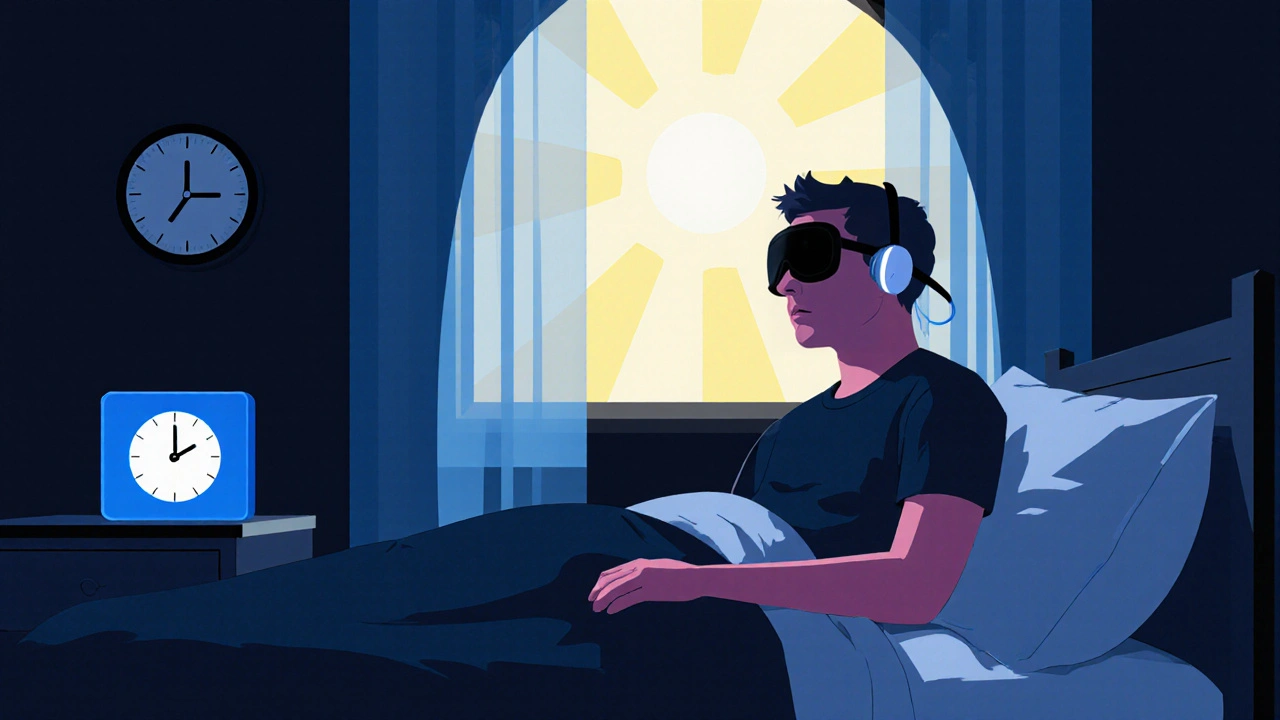
Shift Work Sleep Disorder affects millions who work nights or rotating shifts. Learn how light, melatonin, naps, and schedule habits can help you sleep better and stay alert on the job.
View Details