Report Drug Side Effects: How to Spot, Report, and Stay Safe
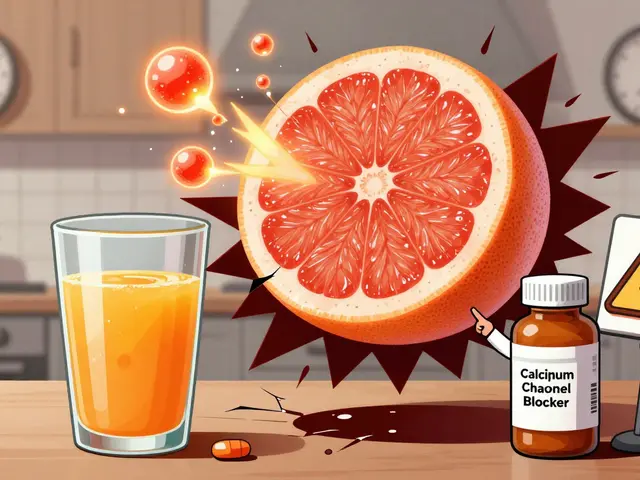
When you take a medication, you trust it to help—not hurt. But drug side effects, unintended and sometimes dangerous reactions to medications. Also known as adverse drug reactions, they can range from mild rashes to life-threatening conditions like serotonin syndrome or Stevens-Johnson Syndrome. These aren’t rare glitches. They happen every day, often because people don’t know what to look for—or who to tell.
Many side effects fly under the radar. You might blame fatigue on stress, or a rash on laundry detergent. But if it started after you began a new pill, patch, or injection, it’s not coincidence. Pharmacovigilance, the science of tracking drug safety, depends on you. When you report a reaction, you’re not just helping yourself. You’re helping others avoid the same danger. The FDA, WHO, and global health agencies use these reports to warn doctors, update labels, and sometimes pull dangerous drugs off the market.
Some reactions are obvious—skin peeling, swelling, chest pain. Others sneak up: sudden confusion, unexplained bruising, muscle weakness, or a fever that won’t break. If you’re on MAO inhibitors, combining them with certain supplements can trigger a deadly blood pressure spike. If you’re taking SSRIs and popping 5-HTP, you’re risking serotonin overload. These aren’t hypotheticals. They’re documented cases, written up in medical journals and reported by real people just like you.
Reporting isn’t complicated. You don’t need a medical degree. Just note what you took, when you started, what happened, and how bad it got. Tell your doctor. File a report with your country’s drug safety agency. In the U.S., that’s MedWatch. In the UK, it’s the Yellow Card scheme. Even if you’re unsure, report it. One report might be ignored. Ten thousand? That changes policy.
And it’s not just about prescription drugs. Over-the-counter painkillers, herbal supplements, even eye drops like timolol can cause serious harm if not handled right. People don’t realize that flushing old meds pollutes water supplies. Or that switching antidepressants without a plan can trigger withdrawal or worse. The posts below cover these exact scenarios—real stories, real risks, real fixes.
What you’ll find here isn’t theory. It’s practical, urgent, and grounded in the kinds of reactions real patients experience. From statins that cause muscle pain in older adults to chemotherapy drugs that need careful monitoring, these guides show you what to watch for, when to act, and how to speak up before it’s too late. You don’t need to suffer in silence. Your voice matters. Start here.
Learn how to report adverse drug events to the FDA's MedWatch system. Step-by-step guide for patients and providers on submitting reports, forms to use, what to include, and why your report matters for drug safety.
View Details