Report Adverse Drug Events: What You Need to Know
When a medication causes harm instead of helping, it’s not just bad luck—it’s a signal. Report adverse drug events, the formal process of notifying health authorities about unexpected or dangerous side effects from medicines. Also known as adverse reaction reporting, it’s how patients, doctors, and pharmacists help fix gaps in drug safety that clinical trials miss. These reports don’t just sit in a database—they trigger investigations, label changes, and sometimes even drug withdrawals. Think of it like a weather alert for medicines: one person’s bad reaction might be the first sign of a storm others are about to face.
Most people don’t realize how much of what we know about drug risks comes from real-world use, not lab studies. Clinical trials involve thousands, not millions, of people. Rare side effects—like Stevens-Johnson Syndrome or serotonin syndrome—often only show up after hundreds of thousands take the drug. That’s why pharmacovigilance, the science and activities focused on detecting, assessing, understanding, and preventing adverse effects of medicines, is so vital. It’s not just for doctors. If you’ve had a strange rash after starting a new pill, or felt dizzy when you never did before, that’s data. And that data saves lives.
Reporting isn’t complicated. You can do it through your doctor, pharmacist, or directly to agencies like the FDA or EMA. You don’t need a medical degree. Just describe what happened, when, and what you were taking. Even if you’re not sure it’s related, report it. The system is built to sort out noise from real signals. And when enough people report the same issue—like the dangerous interactions with MAO inhibitors or 5-HTP—it leads to clearer warnings on labels, better guidance for prescribers, and safer choices for everyone.
Some side effects are obvious—vomiting, swelling, chest pain. Others are sneaky. A sudden change in mood, unexplained fatigue, or skin peeling might not feel like a drug problem. But they could be. That’s why understanding medication safety, the collective practices and systems designed to minimize harm from drug use means paying attention to your body, not just the prescription bottle. The posts below cover real cases where people ignored early signs—until it was too late. They also show how reporting led to changes that now protect others.
Every time you report a bad reaction, you’re not just speaking for yourself. You’re helping someone else avoid the same mistake. Whether it’s a statin causing muscle pain in older adults, an eye drop polluting waterways, or a supplement triggering serotonin syndrome, your report adds to the evidence that keeps medicines safer. The system only works if people use it. So if something didn’t feel right after taking a drug—speak up. It matters more than you think.
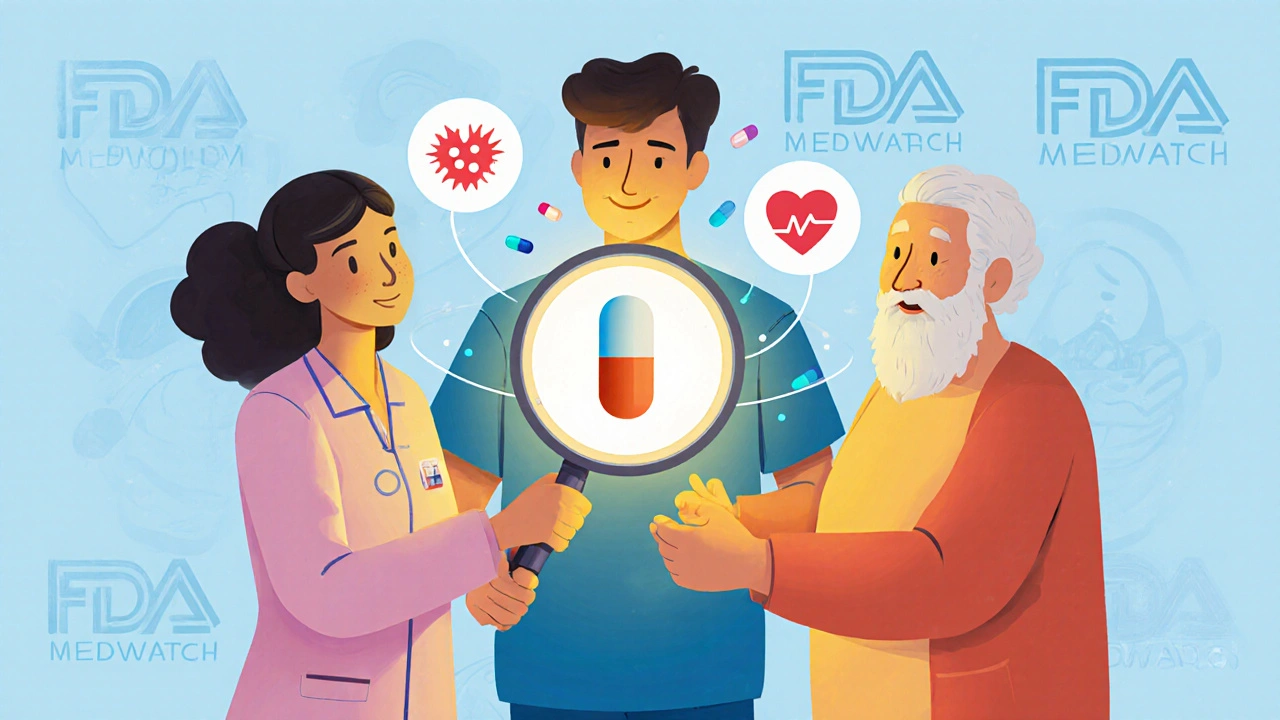
Learn how to report adverse drug events to the FDA's MedWatch system. Step-by-step guide for patients and providers on submitting reports, forms to use, what to include, and why your report matters for drug safety.
View Details