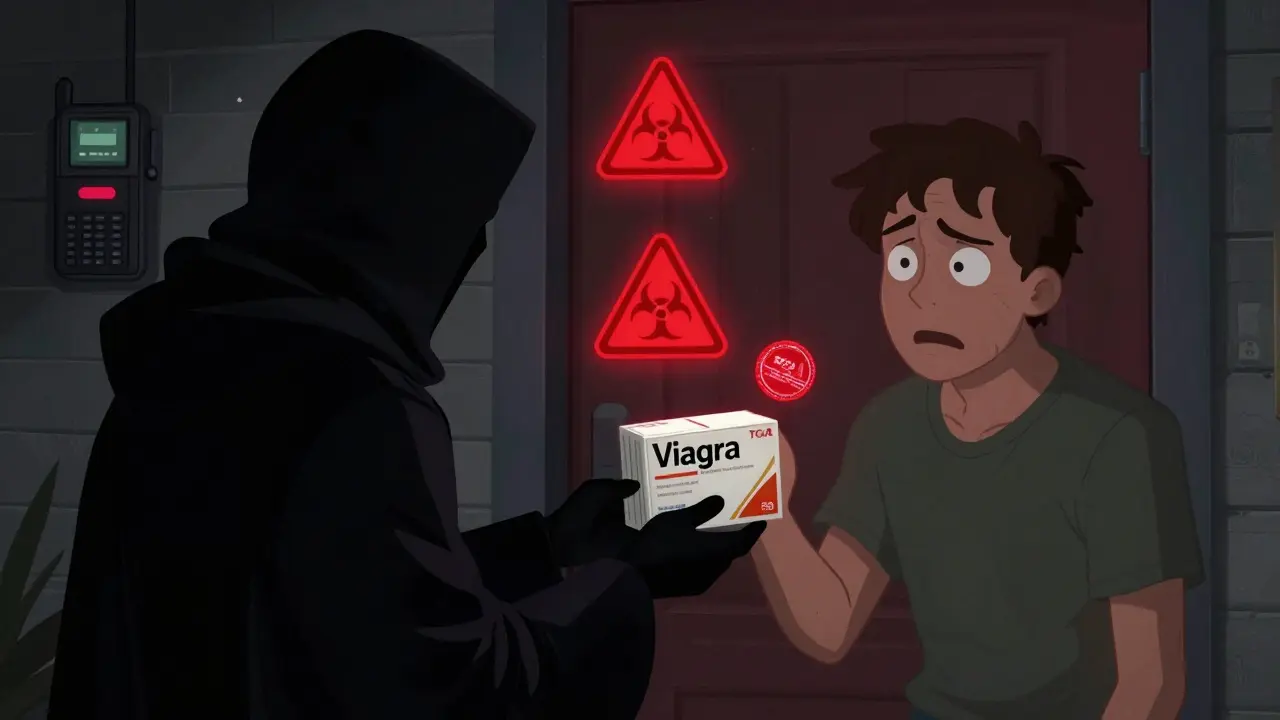
Every year, millions of people around the world order prescription drugs from websites based in other countries. They do it because the prices are lower, the process seems easy, and the websites look professional. But what they don’t see are the pills that contain no active ingredient at all - or worse, the ones laced with rat poison, battery acid, or toxic chemicals. These aren’t horror stories. They’re real cases happening right now, and Australia is one of the top countries where these dangerous packages are being intercepted.
What Exactly Are Counterfeit Drugs?
Counterfeit drugs aren’t just knock-offs like fake designer handbags. They’re fake medicines - pills, injections, or creams that look real but are made without any oversight. The World Health Organization breaks them into two types: substandard and falsified. Substandard drugs are made by legitimate manufacturers but fail quality tests - maybe the active ingredient is too weak, or the pills broke down in transit. Falsified drugs are outright frauds. They’re made in secret labs, often in Southeast Asia, and packaged to look like brand-name drugs like Viagra, insulin, or cancer treatments. In 2025, INTERPOL’s Operation Pangea XVI seized over 50 million doses of fake medicines across 90 countries. In Australia alone, the Therapeutic Goods Administration (TGA) stopped more than 5.2 million units of illegal drugs imported from overseas. Many of these were psychostimulants like modafinil, erectile dysfunction pills, and anti-smoking patches. These aren’t harmless supplements. They’re life-saving medications being sold as scams.Why Ordering from Abroad Is Risky
The biggest problem? You can’t tell the difference. A fake Pfizer pill can look identical to the real one. The packaging is perfect. The website has SSL certificates, customer reviews, and even fake pharmacist credentials. A 2024 study found that only 3% of online pharmacies meet all the safety standards set by regulators. That means 97 out of 100 sites you might click on are dangerous. Most people don’t realize that buying drugs from foreign websites is often illegal - even if the drug is legal in Australia. The TGA doesn’t approve these products. They haven’t been tested for safety, potency, or purity. Some fake pills contain 28% of the labeled dose. Others have 198%. One Reddit user ordered erectile dysfunction pills and ended up in the hospital with priapism - a painful, hours-long erection caused by too much sildenafil. Another person took fake antibiotics and developed a life-threatening infection because the pills had no active ingredient.What’s in These Fake Pills?
It’s not just about missing ingredients. Counterfeit drugs often contain dangerous substances. In 2024, the Pharmaceutical Security Institute found counterfeit cancer drugs laced with industrial dyes and heavy metals. Fake insulin has been found with sugar substitutes that spike blood glucose levels. Anti-malarial pills from online sellers in India and Nigeria were tested and found to contain only 14% of the needed active ingredient - enough to kill someone slowly, and enough to create drug-resistant strains of malaria. The most chilling part? These drugs are being sold to children. A 2020 OECD report estimated that counterfeit anti-malarial and pneumonia medications contribute to between 72,000 and 169,000 child deaths every year. That’s not a guess. That’s based on hospital records and lab tests from Africa and Southeast Asia.How Criminals Trick You
Criminals don’t use shady websites anymore. They use Google Ads. They buy domain names that look like real pharmacies - canadianpharmacy.net, ukpharmacies.org, even fake versions of well-known brands. They use real-looking logos, fake testimonials, and even video ads featuring actors pretending to be doctors. One fake pharmacy in 2025 used a website that copied the exact layout of the U.S. FDA’s BeSafeRx page - right down to the color scheme and fonts. They also exploit desperation. People with chronic illnesses, high drug prices, or no insurance are targeted hardest. A Kaiser Family Foundation survey found that 18% of Americans have ordered drugs from overseas - but 72% never checked if the pharmacy was legitimate. In Australia, people order insulin from India because it costs $30 instead of $300. They don’t realize the insulin might be expired, diluted, or contaminated with bacteria.
How to Spot a Legit Pharmacy
There’s only one reliable way to know if a pharmacy is safe: verify it with your country’s health regulator. In Australia, check the TGA’s list of approved importers. In the U.S., use the National Association of Boards of Pharmacy’s VIPPS program. In Canada, look for the Canadian International Pharmacy Association seal. Here’s what a real pharmacy should show:- A physical address - not just a PO box
- A licensed pharmacist you can call or chat with
- A requirement for a valid prescription
- Clear contact information - phone number, email, live chat
- No offers of “no prescription needed” or “overnight delivery” for controlled drugs
What Happens When You Get Caught
Some people think ordering a few pills online won’t get them in trouble. That’s false. Australian Border Force actively scans packages from overseas. If they find unapproved drugs - even if they’re real - they’re seized. You’ll get a letter from the TGA asking you to explain why you imported them. Repeat offenders can face fines or even criminal charges. And if the drug turns out to be fake? You’re on your own. No insurance will cover side effects from unapproved medication. No doctor will take responsibility. If you get sick, you might never know why.Real Stories, Real Consequences
A 62-year-old woman in Sydney ordered diabetes medication from a website based in Pakistan. The pills looked identical to her usual brand. She took them for three weeks. Then she collapsed. Her blood sugar dropped dangerously low. She ended up in intensive care. Lab tests later showed the pills contained no metformin - just powdered sugar and talcum. Her doctor said if she hadn’t been hospitalized, she could have died. Another man in Melbourne bought anti-anxiety pills from a site in Romania. He thought he was saving money. The pills made him dizzy and nauseous. He went to his GP, who recognized the pills as counterfeit. He had to be hospitalized for a week. The pills were found to contain a banned sedative not approved anywhere in the world. These aren’t rare cases. Trustpilot reviews for unverified international pharmacies average just 2.1 out of 5 stars. The most common complaints? “Pills looked different,” “didn’t work,” and “made me sick.”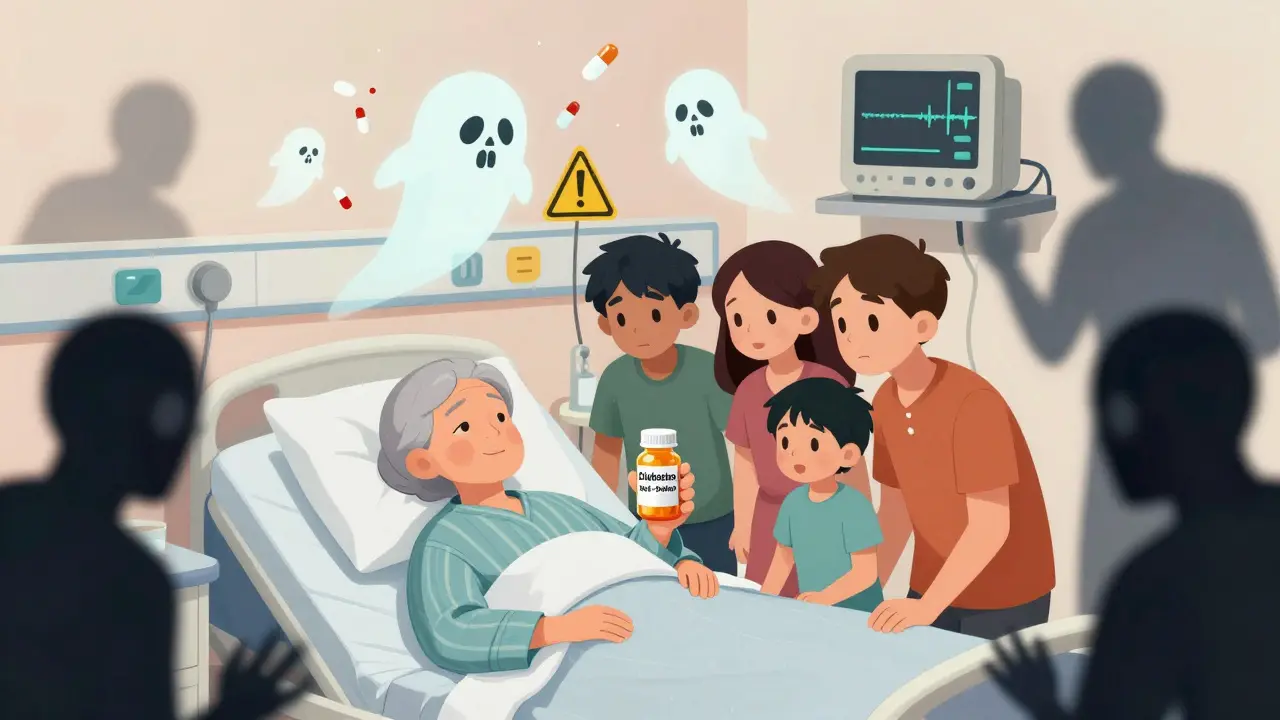
What You Can Do
Don’t assume you’re safe just because you’ve ordered from a site before. Criminals change websites constantly. A site that worked last year could be shut down today and replaced with a new one that looks identical. Use these steps every time:- Check the TGA’s list of approved importers.
- Use LegitScript’s free pharmacy checker - they’ve verified over 2 million pharmacies.
- Never buy without a prescription.
- Call the pharmacy. If they can’t connect you to a real pharmacist, walk away.
- Report suspicious sites to the TGA or INTERPOL’s online reporting tool.
The Bigger Picture
This isn’t just about individual risk. Counterfeit drugs weaken entire health systems. When people take fake antibiotics, bacteria evolve into superbugs. When cancer patients get fake chemo, survival rates drop. When vaccines are counterfeited, outbreaks spread. The global trade in fake medicines is now worth billions. Criminals make up to 9,000% profit on these products. That’s more than drug cartels make on cocaine. And they’re getting smarter - using cryptocurrency, encrypted messaging, and AI-generated websites to stay ahead of regulators. But there’s hope. In 2025, 90 countries worked together in Operation Pangea XVI to shut down 13,000 illegal websites. The EU now requires every prescription medicine to have a unique code you can scan to verify authenticity. Pfizer has stopped over 302 million counterfeit doses since 2004. The solution isn’t just enforcement. It’s education. People need to know that a cheap pill isn’t a bargain - it’s a gamble with their life.Can I get in trouble for ordering medicine from overseas?
Yes. In Australia, importing unapproved medicines is illegal under the Therapeutic Goods Act. The TGA and Australian Border Force regularly intercept packages. You could face fines, have your drugs destroyed, or be required to explain your import in writing. Repeated offenses may lead to legal action. Even if the drug is legal in another country, it may not be approved in Australia - and that’s enough for it to be seized.
How do I know if an online pharmacy is real?
Don’t trust the website design. Instead, check official sources. In Australia, use the TGA’s list of approved importers. In the U.S., use the VIPPS program from the National Association of Boards of Pharmacy. In Canada, look for the Canadian International Pharmacy Association seal. A real pharmacy will require a prescription, have a physical address, and offer contact with a licensed pharmacist. If it doesn’t, it’s fake.
Are fake drugs only a problem in developing countries?
No. Counterfeit drugs are found in every country - including Australia, the U.S., Canada, and the UK. INTERPOL’s 2025 operation seized fake medicines in 90 countries. High-income countries are targeted because people there can afford to pay for drugs - and are often desperate to save money. Fake insulin, cancer drugs, and heart medications are being shipped directly to homes in wealthy nations.
What should I do if I think I took a fake drug?
Stop taking it immediately. Contact your doctor or go to the nearest emergency room. Bring the packaging and any remaining pills. Report the pharmacy to the TGA or your country’s health authority. Even if you feel fine, fake drugs can cause delayed reactions or long-term damage. Don’t wait for symptoms to appear.
Why are fake drugs so cheap?
Because they cost almost nothing to make. Criminals buy raw chemicals in bulk from unregulated factories - sometimes for less than $1 per pill. They package them in copied boxes, print fake labels, and ship them in plain envelopes. There’s no research, no testing, no quality control. Their profit margin can be 9,000% higher than legitimate manufacturers. That’s why they can sell insulin for $30 when it costs $300 locally.
Is it safer to buy from a pharmacy in another country than an online site?
Only if it’s a licensed, government-regulated pharmacy in a country with strong drug safety laws - and even then, importing into Australia without approval is still illegal. A pharmacy in India or Thailand might be legal locally, but its products aren’t approved by the TGA. The only safe option is to buy from Australian pharmacies or approved importers listed by the TGA.


Bennett Ryynanen
31 December / 2025Bro. I ordered some modafinil from a ‘Canadian’ site last year. Looked legit. Got it in 3 days. Took one. Felt like my brain was being microwaved. Ended up in the ER with my heart doing the cha-cha. Never again. These sites are digital landmines.