Metformin Side Effects: What You Need to Know Before Taking It
When you take metformin, a first-line oral medication for type 2 diabetes that helps lower blood sugar by reducing liver glucose production and improving insulin sensitivity. Also known as Glucophage, it’s one of the most prescribed drugs in the world—used by millions because it’s effective, affordable, and generally safe. But even safe drugs can cause trouble, and metformin side effects are more common than most people realize. You might feel fine at first, then suddenly get stomach cramps, diarrhea, or a metallic taste in your mouth. These aren’t rare quirks—they’re normal for about 1 in 3 people, especially when starting the drug or increasing the dose.
Most of these side effects are mild and fade after a few weeks. But some reactions need attention. gastrointestinal issues, like nausea, bloating, and loose stools—are the most frequent complaints, often linked to how metformin interacts with gut bacteria and slows digestion. Taking it with food helps. Slow-release versions can cut these problems in half. Then there’s the rare but serious risk: lactic acidosis, a life-threatening buildup of lactic acid in the blood, usually triggered by kidney problems, severe dehydration, or alcohol use. It’s uncommon—fewer than 1 in 10,000 users—but if you feel unusually tired, cold, dizzy, or have trouble breathing, get help fast. Your doctor should check your kidney function before and during treatment. If you’re over 65 or have heart failure, you’re at higher risk, and that’s not just a footnote—it’s a red flag.
Metformin doesn’t cause weight gain like some other diabetes drugs, and it might even help you lose a few pounds. But it can lower vitamin B12 levels over time, which leads to nerve damage or anemia if ignored. That’s why yearly blood tests matter. And if you’re scheduled for surgery or an imaging scan with contrast dye, you’ll need to pause metformin temporarily—your kidneys need a break. These aren’t scary rules; they’re practical steps to keep you safe.
What you’ll find below are real, detailed stories from people who’ve dealt with metformin’s quirks, from the annoying to the alarming. Some posts explain how to ease stomach upset without stopping the drug. Others warn about interactions with alcohol, kidney disease, or even certain supplements. There’s advice on when to call your doctor, how to recognize warning signs, and what alternatives exist if metformin just doesn’t sit right. This isn’t theory—it’s what actually happens in real lives. You’re not alone if this drug feels like a gamble. Let’s look at how others managed it.
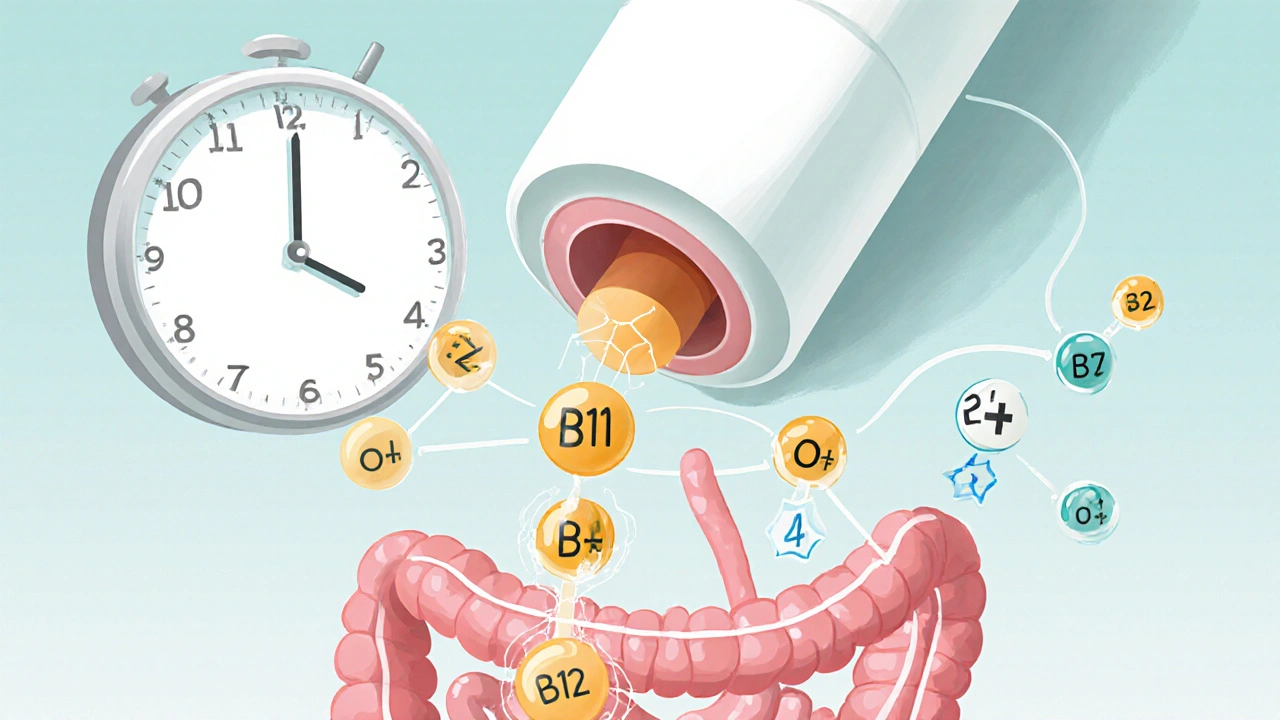
Long-term metformin use can cause vitamin B12 deficiency, leading to nerve damage, fatigue, and memory issues. Learn the signs, who’s at risk, and how to prevent irreversible complications with simple testing and supplements.
View Details