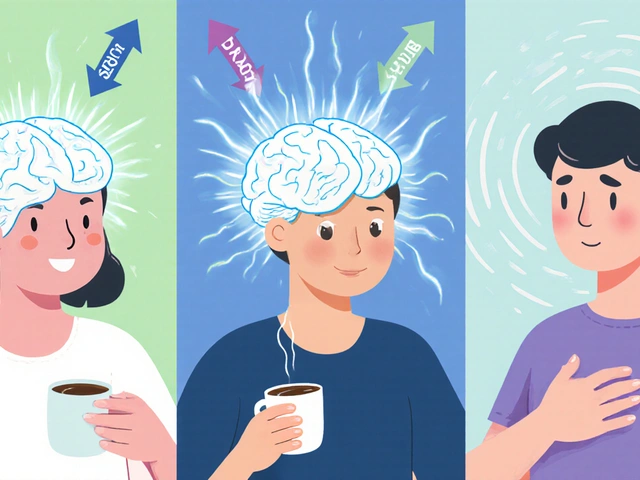
Hatch-Waxman Act: How Generic Drugs Got Legal and Affordable
When you pick up a generic pill at the pharmacy, you’re benefiting from a law passed in 1984 called the Hatch-Waxman Act, a U.S. law that created a legal pathway for generic drugs to be approved without repeating costly clinical trials. Also known as the Drug Price Competition and Patent Term Restoration Act, it balanced the need for innovation with the need for affordable medicine. Before this law, generic drug makers couldn’t get approval unless they did full clinical trials—something only big pharma could afford. That meant brand-name drugs had a monopoly for years, even after patents expired.
The Hatch-Waxman Act, a U.S. law that created a legal pathway for generic drugs to be approved without repeating costly clinical trials. Also known as the Drug Price Competition and Patent Term Restoration Act, it balanced the need for innovation with the need for affordable medicine. let generic companies file an Abbreviated New Drug Application (ANDA) by proving their drug is bioequivalent to the brand version. That meant they didn’t have to prove safety and effectiveness all over again—they just had to show their pill released the same amount of active ingredient at the same rate. The law also gave brand-name companies up to five extra years of market exclusivity to make up for time lost during FDA review. This trade-off kept innovation alive while opening the door for competition.
This law didn’t just change paperwork—it changed lives. When four or more companies start making the same generic drug, prices often drop over 70%. That’s why your $400 brand-name pill became a $12 generic. It’s why people with diabetes, high blood pressure, or epilepsy can now afford their meds. The FDA, the U.S. government agency responsible for approving and monitoring drugs for safety and effectiveness now approves over 90% of prescriptions as generics, and the generic drug market, the sector of pharmaceuticals where non-brand versions of medications are sold at lower prices saves Americans over $300 billion every year.
But it’s not perfect. Sometimes, when only one or two companies make a generic, prices stay high. Some patents get stretched with clever legal tricks. And not every drug can be easily copied—biologics, for example, need a whole different system called biosimilars. Still, the Hatch-Waxman Act remains the backbone of affordable medicine in the U.S. Without it, you wouldn’t see the flood of low-cost pills that make daily treatment possible for millions.
Below, you’ll find real stories and practical guides on how generic drugs work in practice—from how to track your response to them, how multiple manufacturers drive prices down, and why some pills cost less than a cup of coffee. These aren’t theoretical discussions. They’re the everyday results of a law that quietly changed healthcare for everyone.
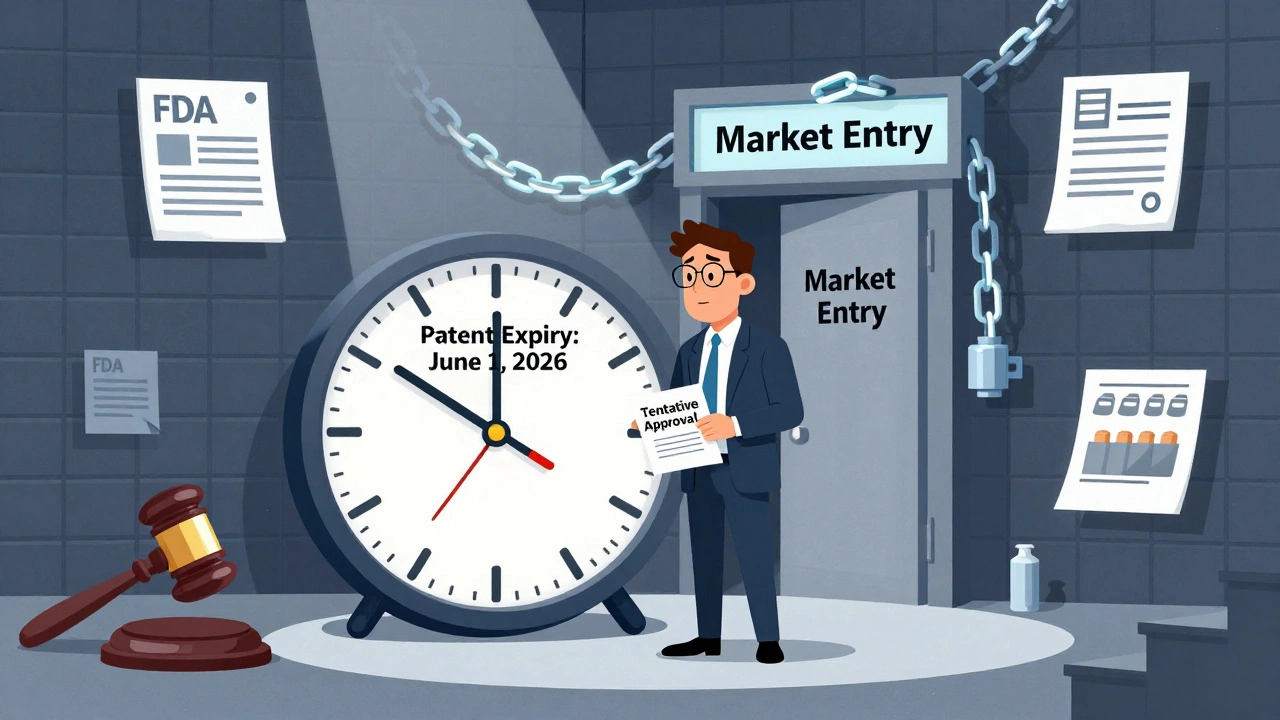
Tentative approval from the FDA lets generic drug makers prepare for market entry before patents expire, but litigation and timing mistakes can cause costly delays. Learn how the Hatch-Waxman Act shapes the race to bring affordable drugs to patients.
View Details