FDA MedWatch: Report Dangerous Drug Side Effects and Stay Safe
When a medication causes serious harm—like liver failure, dangerous skin reactions, or sudden heart problems—FDA MedWatch, the U.S. Food and Drug Administration’s safety reporting program for adverse drug events. It’s not just for doctors. Anyone can use it: patients, caregivers, pharmacists. This system is how the FDA finds hidden dangers that clinical trials miss. Thousands of people take the same drug every day, but side effects only show up in real life. That’s where MedWatch comes in.
It’s not just about rare reactions. Serotonin syndrome, a life-threatening condition caused by drug interactions, often from combining antidepressants with supplements like 5-HTP, has been flagged through MedWatch reports. So have deadly skin conditions like Stevens-Johnson Syndrome, a severe reaction to medications that can destroy skin and mucous membranes. These aren’t theoretical risks—they’re real events that happened to real people, and their reports changed drug warnings and even pulled products off shelves.
You don’t need to be a medical expert to file a report. If you or someone you know had an unexpected reaction—vomiting after a new pill, sudden swelling, a rash that spread fast, or confusion after starting a new drug—report it. Even if you’re not sure it was the medication. The FDA doesn’t need proof. They need patterns. One report might not do much. But 50 reports of the same reaction? That’s a red flag they can’t ignore.
And it’s not just prescription drugs. Over-the-counter painkillers, herbal supplements, and even eye drops like timolol, a glaucoma medication linked to environmental harm and rare but serious side effects—all can be reported. The system tracks everything from muscle damage from statins to allergic reactions to ADHD meds. Your report helps update labels, warn other patients, and sometimes save lives.
Some people think reporting is pointless. But if you’ve ever read about a drug being pulled because of a sudden spike in heart attacks or strokes, chances are it started with a single report on MedWatch. It’s how the system catches what lab tests can’t. And it’s free, fast, and anonymous. You can file online in under five minutes.
Below, you’ll find real stories and deep dives into the kinds of reactions that get reported—how MAO inhibitors can trigger hypertensive crises, why mixing 5-HTP with SSRIs is risky, and how generic drug competition doesn’t always mean safer outcomes. These aren’t just articles. They’re warnings backed by real patient experiences. And they’re why your voice matters.
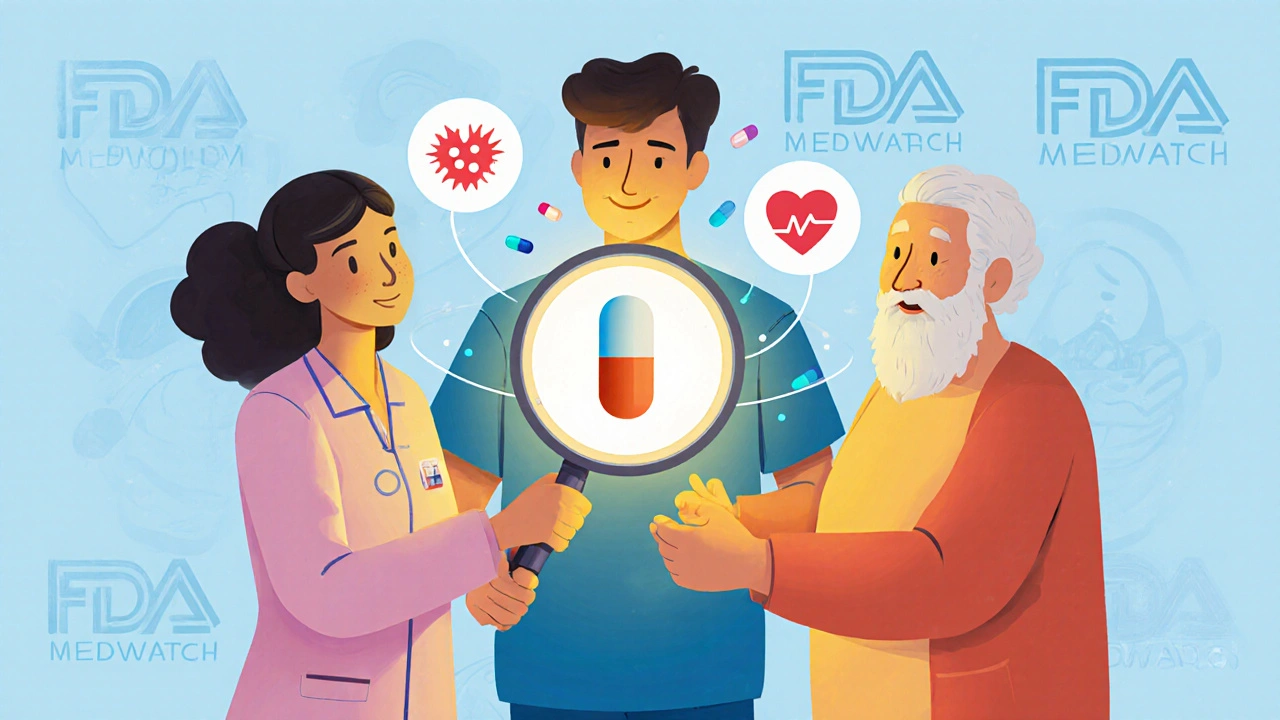
Learn how to report adverse drug events to the FDA's MedWatch system. Step-by-step guide for patients and providers on submitting reports, forms to use, what to include, and why your report matters for drug safety.
View Details