Fatigable Weakness: What It Is, Why It Matters, and How Medications Can Cause or Fix It
When your muscles get weaker the more you use them—that’s fatigable weakness, a type of muscle weakness that gets worse with activity and improves with rest, often signaling a problem in nerve-to-muscle communication. It’s not the same as general tiredness or soreness. This is when you can lift your arm once, but not a second time. Or walk down the hall fine, then can’t stand up from a chair without help. It’s a red flag that points to something specific: your nerves aren’t sending signals to your muscles the way they should. This isn’t normal aging. It’s not just being out of shape. It’s a biological glitch, and it shows up in conditions like myasthenia gravis, an autoimmune disorder where the body attacks the junctions between nerves and muscles, blocking signals that tell muscles to contract, or in side effects from certain drugs that interfere with nerve signaling.
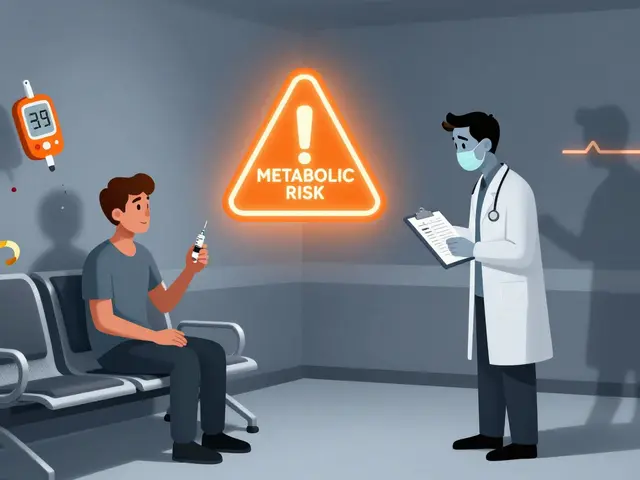
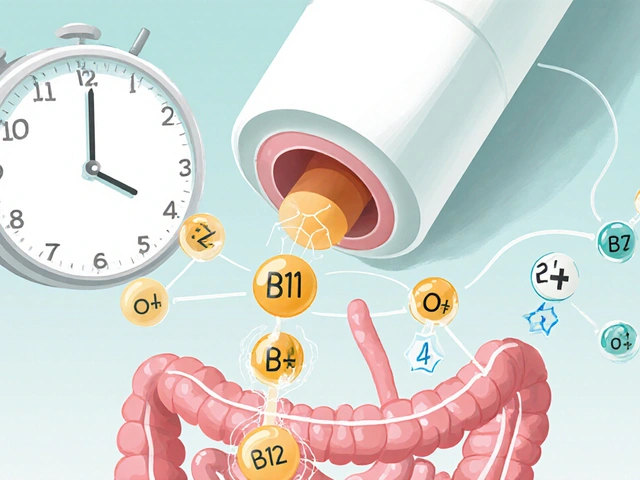
Some medications can cause fatigable weakness as a side effect. For example, antibiotics like aminoglycosides, a class of drugs used for serious infections, can block acetylcholine receptors at the neuromuscular junction, making muscles feel weak after minimal use. Even common drugs like statins or certain antidepressants can worsen muscle fatigue in people who are already vulnerable. On the flip side, drugs like pyridostigmine are specifically used to treat fatigable weakness in myasthenia gravis by boosting the signal between nerves and muscles. The same symptom—muscles giving out after use—can be caused by a drug, or fixed by one. That’s why knowing the difference matters.
People with fatigable weakness often get misdiagnosed. They’re told they’re just stressed, or that they need to exercise more. But if your weakness follows a clear pattern—better in the morning, worse after lunch, improves after resting—it’s not laziness. It’s a neurological clue. And when it shows up alongside drooping eyelids, trouble swallowing, or slurred speech, it’s even more urgent. The posts below cover exactly these kinds of cases: how drugs like those used for Parkinson’s or HIV can affect muscle control, how side effects mimic serious conditions, and how to tell if what you’re feeling is just fatigue or something that needs medical attention. You’ll find real stories, real drug interactions, and real ways to track your symptoms so you don’t get ignored by doctors who don’t know what to look for.
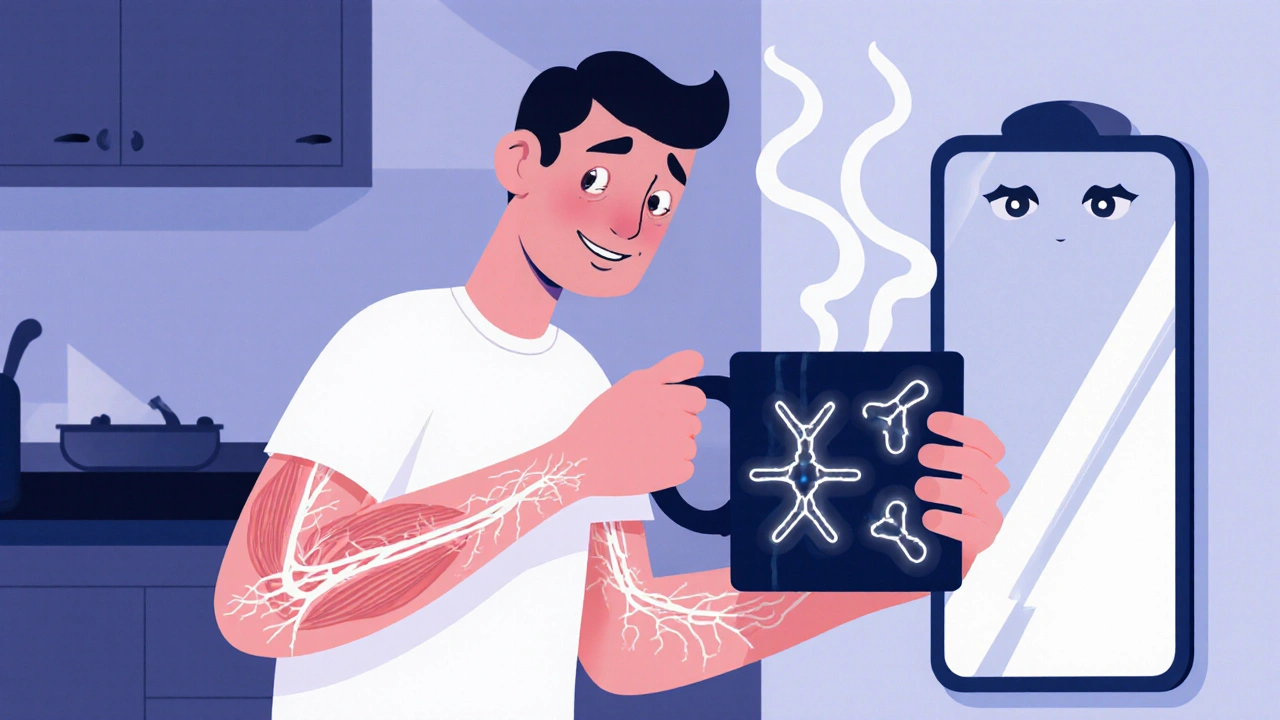
Myasthenia gravis causes muscle weakness that worsens with use and improves with rest. Learn how AChR and MuSK antibodies drive the disease, why immunotherapy like IVIG, rituximab, and efgartigimod are changing treatment, and how thymectomy can lead to remission.
View Details