Drug Allergy: Signs, Risks, and What to Do When Medications Trigger Reactions
When your body mistakes a drug allergy, an immune system overreaction to a medication that can range from mild rash to fatal shock. Also known as medication hypersensitivity, it’s not the same as a side effect—you’re not just sensitive, your immune system is actively attacking the drug like a virus. This isn’t rare. About 5% to 10% of people will have a true allergic reaction to at least one drug in their lifetime. And while some reactions are just itchy skin, others—like Stevens-Johnson Syndrome, a severe skin and mucous membrane reaction often triggered by antibiotics or anti-seizure drugs—can send you to the ICU. Then there’s anaphylaxis, a sudden, full-body allergic emergency that blocks airways and drops blood pressure. It can kill in minutes if not treated fast.
Most drug allergies show up within hours of taking the pill, shot, or IV. A rash, hives, or swelling around the face are common. But don’t ignore a fever, blistering skin, peeling lips, or trouble breathing. These aren’t "just side effects." They’re red flags. Some drugs are more likely to trigger this than others—penicillin, sulfa antibiotics, NSAIDs like ibuprofen, and seizure meds like carbamazepine top the list. And once you’ve had a reaction, your body remembers. Taking the same drug again—even years later—can cause a worse reaction. That’s why keeping a written list of every drug you’ve reacted to matters. Tell every doctor, every pharmacist, every ER nurse. Write it on your phone. Put it in your wallet. Your life might depend on it.
Many people think if they took amoxicillin once without a problem, they’re safe forever. That’s not true. Allergies can develop at any time. And some reactions are delayed—days or even weeks after starting a drug. That’s why doctors sometimes miss them. If you feel off after starting a new medication, don’t brush it off. Track what you took, when, and what happened. That info helps your doctor figure out if it’s an allergy, an intolerance, or something else. And if you’ve ever had a serious reaction, wear a medical alert bracelet. It’s simple, cheap, and could save your life when you can’t speak for yourself.
Below, you’ll find real stories and expert breakdowns on how drug allergies show up, which medications are most dangerous, what to do if you get the wrong pill, how to report bad reactions to the FDA, and how genetic testing is helping prevent deadly skin reactions before they start. This isn’t theoretical. These are the things people need to know before the next prescription comes out of the pharmacy.
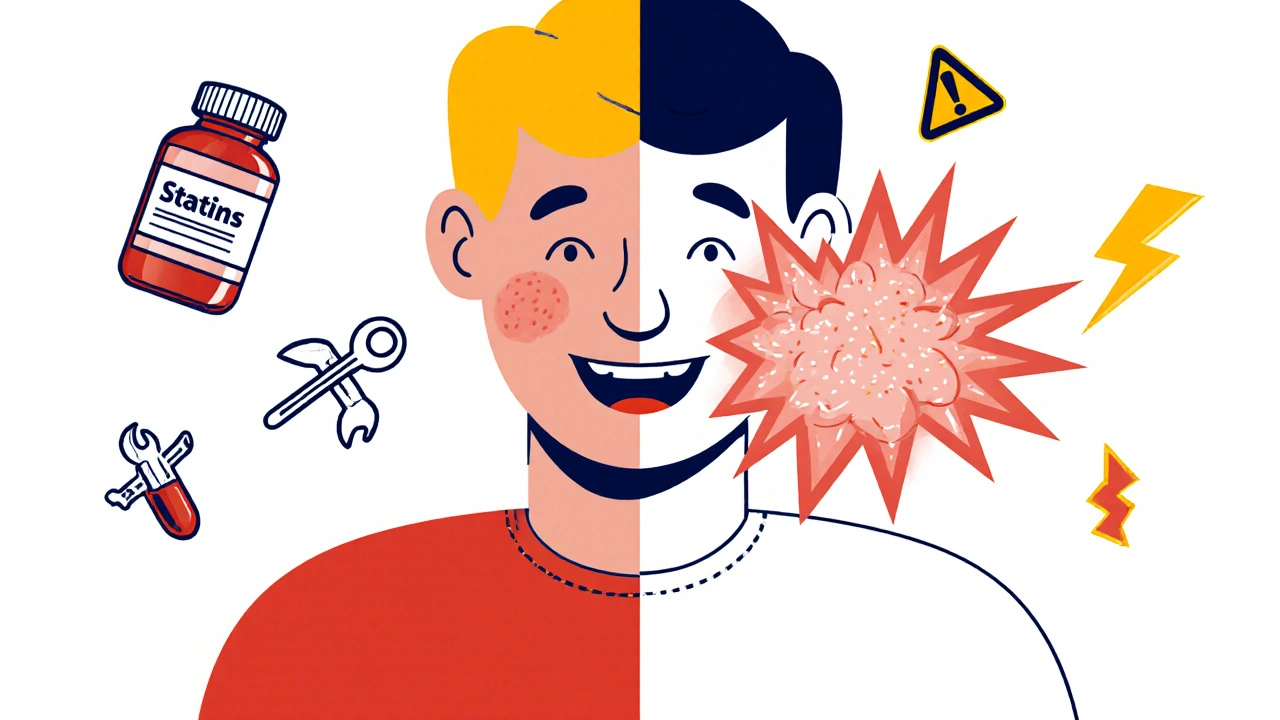
Learn the real difference between medication side effects and true drug allergies - why confusing them can cost lives and money, and how to know which is which for safer treatment.
View Details