Dispensing Error: What It Is, Why It Matters, and How to Stay Safe
When a pharmacist gives you the wrong medicine, the wrong dose, or the wrong instructions, that’s a dispensing error, a mistake made during the final step of getting a prescription to a patient. Also known as a medication error, it’s not just a paperwork glitch—it’s a direct threat to your health. These aren’t rare. Studies show that at least one in every 200 prescriptions filled in the U.S. contains some kind of dispensing mistake. Some are minor—a wrong color pill. Others are deadly—a patient gets a muscle relaxant instead of their blood pressure drug.
Dispensing errors often happen because of pressure, poor labeling, or similar-sounding drug names. For example, Hydroxyzine and Hydralazine look alike on paper but do completely different things. One calms anxiety. The other lowers blood pressure. Mix them up, and someone could end up in the ER. These mistakes aren’t always the pharmacist’s fault. Cluttered workspaces, rushed shifts, and confusing electronic systems all play a part. That’s why you’re not just a passive recipient—you’re a critical part of the safety net.
You can reduce your risk by always checking your pills against the label, asking your pharmacist to explain what you’re taking, and knowing the purpose of each medication. If you get a refill and the pill looks different, speak up. If you’re handed a new bottle and the name doesn’t match your prescription, don’t assume it’s a packaging change—ask. Many of the stories in our collection show how people caught errors before they caused harm: a woman who noticed her diabetes pill was suddenly a different shape, a caregiver who spotted a dosage typo on a child’s antibiotic, a senior who questioned why his heart medication came in a bottle labeled for arthritis.
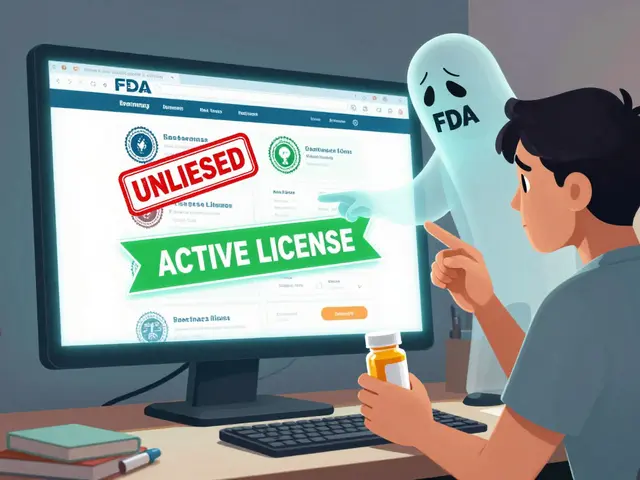
When errors happen, they don’t just hurt individuals—they ripple through the system. That’s why reporting them matters. The FDA MedWatch, the official system for tracking adverse drug events relies on patient reports to catch patterns before more people are affected. One report might not change much, but thousands of reports help the FDA recall dangerous batches, update warnings, or force better labeling.
And it’s not just about prescriptions. Over-the-counter meds, supplements, and even eye drops can be misdispensed. A patient taking 5-HTP, a supplement often used for mood, might get the wrong dose because it’s stored near other serotonin-boosting products. Someone picking up pravastatin, a statin chosen for its safety in older adults, could be handed a different statin with more muscle-related side effects. These aren’t hypotheticals—they’re documented cases.
What you’ll find here are real stories and clear guides about how these mistakes happen, who’s most at risk, and how to protect yourself and your loved ones. From how to spot a wrong pill to how to report a dangerous error, these posts give you the tools to act—not just react. You don’t need to be a medical expert to make a difference. You just need to pay attention, ask questions, and never assume everything’s right.
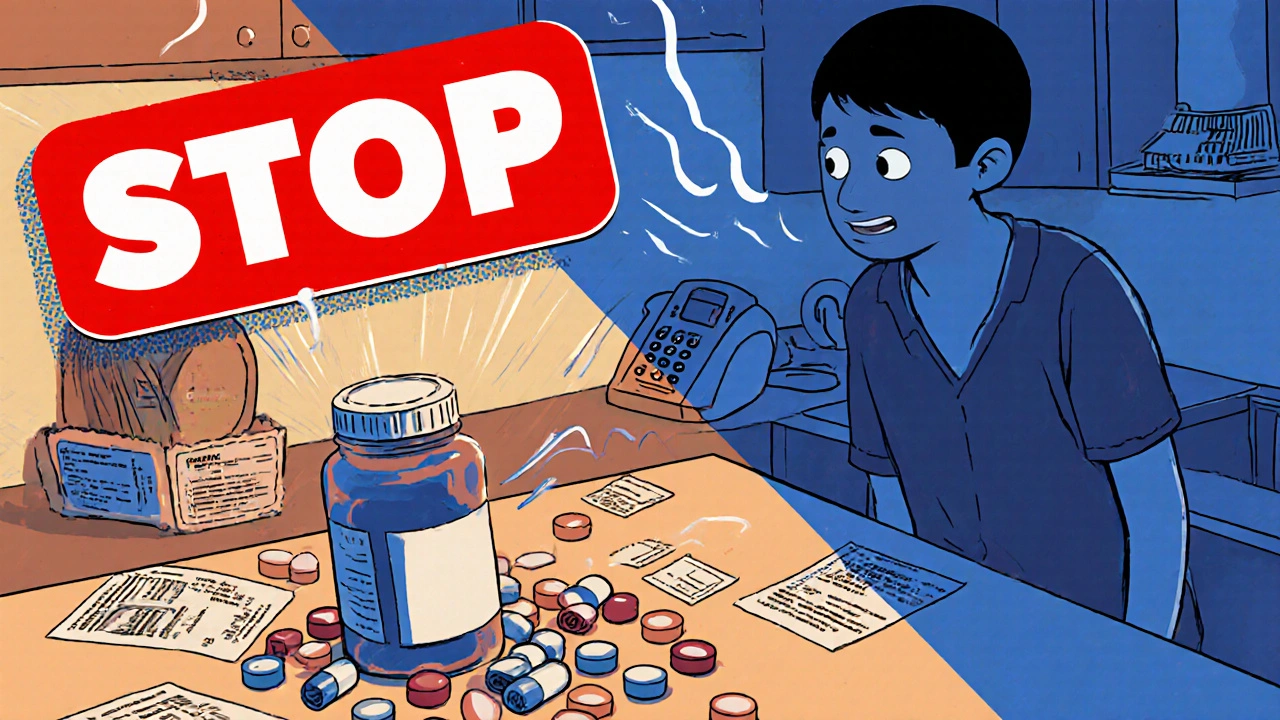
If you receive the wrong medication from the pharmacy, stop taking it immediately, contact your doctor, save all evidence, and report the error. These mistakes can be dangerous-but knowing what to do can protect your health and prevent future errors.
View Details