Biologic Drugs: What They Are, How They Work, and Why They Matter
When you hear biologic drugs, medications made from living organisms like cells or proteins, used to treat chronic and life-threatening diseases. Also known as biologics, they’re not like the pills you’ve taken for a cold or infection. These are precision tools—engineered to target specific parts of your immune system or cancer cells—used when traditional drugs just don’t cut it. Think of them as smart bombs instead of scatter shots. They’re used for conditions like rheumatoid arthritis, psoriasis, Crohn’s disease, multiple sclerosis, and certain types of cancer. And while they’re powerful, they’re also expensive, complex to make, and require special handling—often injected or infused, not swallowed.
Biologic drugs work by blocking specific proteins or cells that drive inflammation or tumor growth. For example, some stop TNF-alpha, a molecule that causes joint damage in arthritis. Others, like rituximab, remove B-cells that attack the body in autoimmune disorders. These aren’t guesswork treatments—they’re designed based on years of genetic and molecular research. That’s why they’re often called targeted therapy, a treatment approach that focuses on specific molecules involved in disease progression. And when patents expire, biosimilars, highly similar versions of biologic drugs approved after the original patent expires enter the market. They’re not generics—they’re more like clones of clones—because biologics are too complex to copy exactly. But they bring down costs, making life-changing treatments more accessible.
People using biologics often need regular monitoring. They can suppress the immune system, raising the risk of infections like tuberculosis or fungal diseases. Some trigger rare but serious skin reactions, like Stevens-Johnson Syndrome. Others, especially when used with certain other drugs, can cause nerve damage or heart issues. That’s why tracking your response matters—keeping a medication journal, as covered in several posts here, helps catch problems early. And if you’re switching from one biologic to another, or considering a biosimilar, you need to understand how your body reacts. It’s not just about the drug—it’s about your body’s unique response.
These treatments are changing lives. Someone with severe psoriasis who couldn’t wear shorts now walks barefoot in summer. A person with Crohn’s who spent years in pain is back at work. But they’re not magic. They require patience, monitoring, and sometimes trial and error. And while they’re often seen as high-tech solutions, the real breakthrough is how they’re putting control back into patients’ hands—through better tracking, smarter dosing, and more informed choices.
Below, you’ll find real-world guides on how these drugs interact with other medications, what side effects to watch for, how to manage them safely, and how to spot when something’s off. Whether you’re starting a biologic, switching to a biosimilar, or just trying to understand why your doctor chose it over a pill, the posts here give you the facts without the fluff.
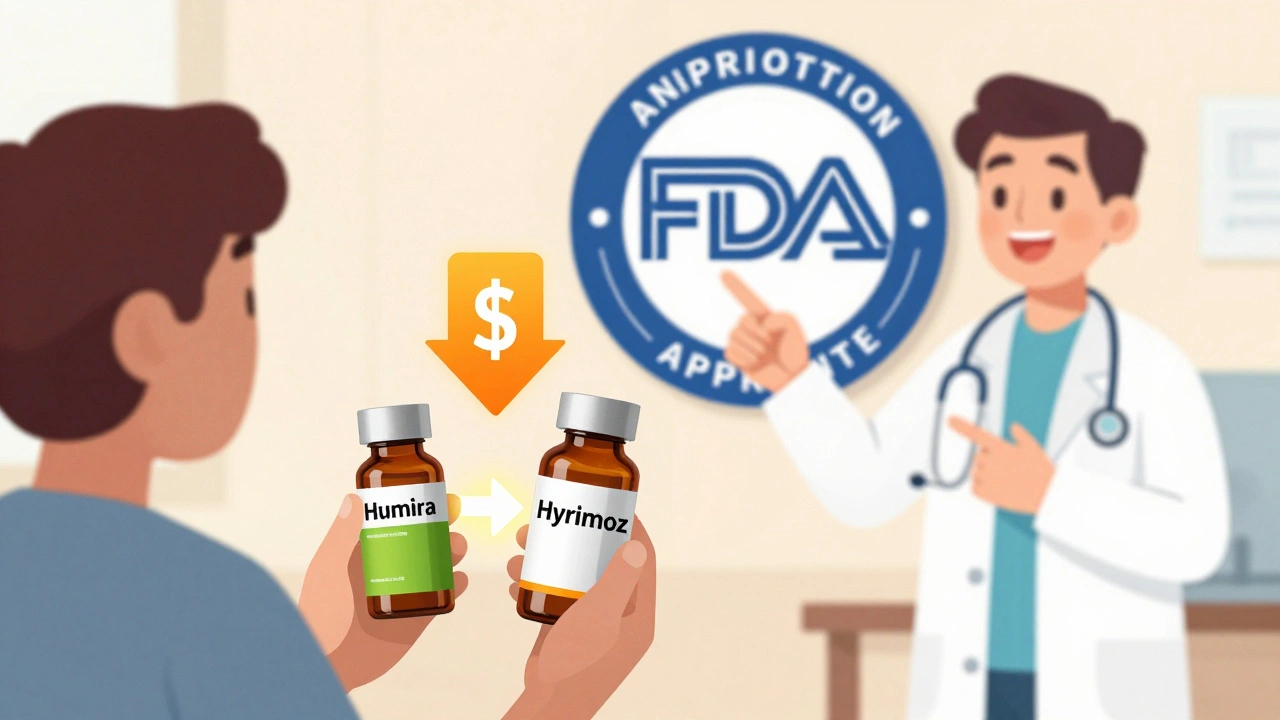
Biosimilars offer the same effectiveness as expensive biologic drugs at 15-30% lower cost. Learn how they work, why they’re safe, and how to save money without sacrificing treatment quality.
View Details