Workplace Medication Safety Risk Calculator
Assess Your Workplace Safety Risk
Calculate your risk of impairment from prescription medications or exposure to hazardous drugs based on your work situation.
Your Safety Risk Assessment
--
--
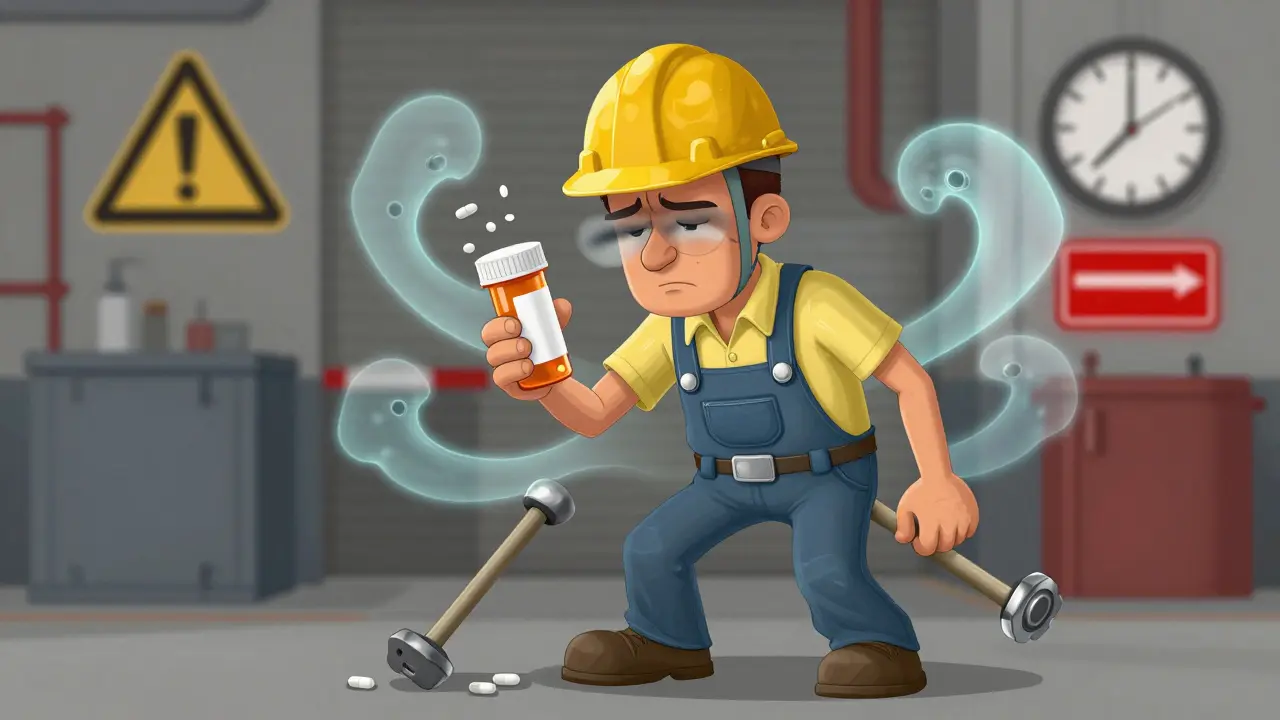
When you’re on pain medication after a back injury, or taking an anti-anxiety pill to get through a high-pressure shift, you might not think about how it affects your safety at work. But the truth is, many common prescription drugs can make you slower to react, less coordinated, or even drowsy-turning a routine task into a dangerous one. At the same time, if you’re a nurse, pharmacist, or lab tech handling chemotherapy drugs or other hazardous medications, your job puts you at risk of exposure that can cause long-term harm-even if you’re following all the rules.
How Prescription Drugs Affect Job Performance
Opioids and benzodiazepines are two of the most common prescription medications that impact workplace safety. About 18.7% of U.S. workers with musculoskeletal injuries are prescribed opioids, and 7.2% of workers dealing with stress take benzodiazepines, according to NIOSH data from 2018. These drugs don’t just help with pain or anxiety-they can dull your senses. A 2017 study in the Journal of Occupational and Environmental Medicine found that workers using both opioids and benzodiazepines together had an 84% higher risk of falls and other accidents. This isn’t just about slipping on a wet floor. In healthcare, construction, manufacturing, or even driving, a delayed reaction can mean injury or death. One anesthesiologist shared on Medscape how he nearly caused a surgical error after taking prescribed opioids for a work-related back injury. He felt dizzy and nauseous during a procedure, barely managing to stay focused. That’s not rare. The CDC reports that workers taking opioids have 2.1 times higher risk of workplace injuries than those who don’t. The problem gets worse when employers don’t understand the difference between medical necessity and impairment. Some drug-free workplace policies automatically penalize workers who take legally prescribed medications-even when they’re not impaired. A 2021 editorial in the Journal of Occupational Rehabilitation found that 32% of workers lost their jobs after testing positive for prescribed drugs, despite no safety incidents. That’s not protection-it’s discrimination.Who’s at Risk from Hazardous Drugs?
Now flip the script: what if you’re not taking the drugs-you’re handling them? Healthcare workers are the most exposed group. Every year, an estimated 8 million U.S. workers come into contact with hazardous drugs like chemotherapy agents, antivirals, and hormone therapies. These aren’t just strong medications-they’re designed to kill cells. That’s why they’re dangerous to anyone who breathes them in, touches them, or gets splashed by them. NIOSH’s 2024 list identifies 370 hazardous drugs used in healthcare settings. That includes 267 antineoplastic (cancer-treating) drugs, 78 non-antineoplastic drugs with serious side effects, and 25 that harm reproduction. Exposure happens in multiple ways: 38% from inhaling aerosols, 29% from skin or eye contact during spills, 22% from touching contaminated surfaces, and 7% from poor hand hygiene leading to ingestion. Even tiny amounts can cause harm over time. A 2022 CDC meta-analysis of 47 studies showed that healthcare workers exposed to these drugs have 2.3 times higher risk of reproductive problems-including miscarriages, birth defects, and infertility. Nurses and pharmacists who handle these drugs for years report chronic skin rashes, hair loss, nausea, and fatigue. One chemotherapy nurse on Reddit described developing persistent rashes after three years on the job, even though she followed all safety protocols. Surface tests in her unit showed detectable contamination in 68% of work areas.What’s Being Done to Protect Workers?
There are real solutions-but they’re not used everywhere. OSHA’s Hazard Communication Standard (29 CFR 1910.1200) requires labels, safety data sheets, and training for hazardous chemicals. But it doesn’t cover all workplaces. About 1.8 million healthcare workers in smaller clinics, home care, and non-covered facilities have no legal protection under this rule. The U.S. Pharmacopeia’s Chapter 800 (USP 800), implemented in 2019, sets stricter standards for handling hazardous drugs-but only applies to compounding pharmacies. That leaves out oncology units, emergency rooms, and surgical centers where most exposure happens. The most effective protections are engineering controls. Closed-system transfer devices (CSTDs) prevent drugs from escaping into the air during preparation. WorkSafeBC’s 2021 tests showed CSTDs reduce surface contamination by 94.7%. Mayo Clinic cut hazardous drug exposures by 89% after installing these devices, upgrading ventilation, and adding mandatory training. The American Society of Health-System Pharmacists found that 68% of workers felt safer after CSTDs were introduced. But adoption is uneven. Only 78% of large hospitals (200+ beds) have full hazardous drug programs. Among small clinics with fewer than 50 beds, that number drops to 34%. Many facilities still use outdated safety cabinets that don’t seal properly. In 31% of facilities audited by WorkSafeBC, cabinets were incompatible with current standards. And even when equipment is good, workers skip PPE. CDC field studies show 43% of healthcare workers don’t wear gloves or gowns consistently.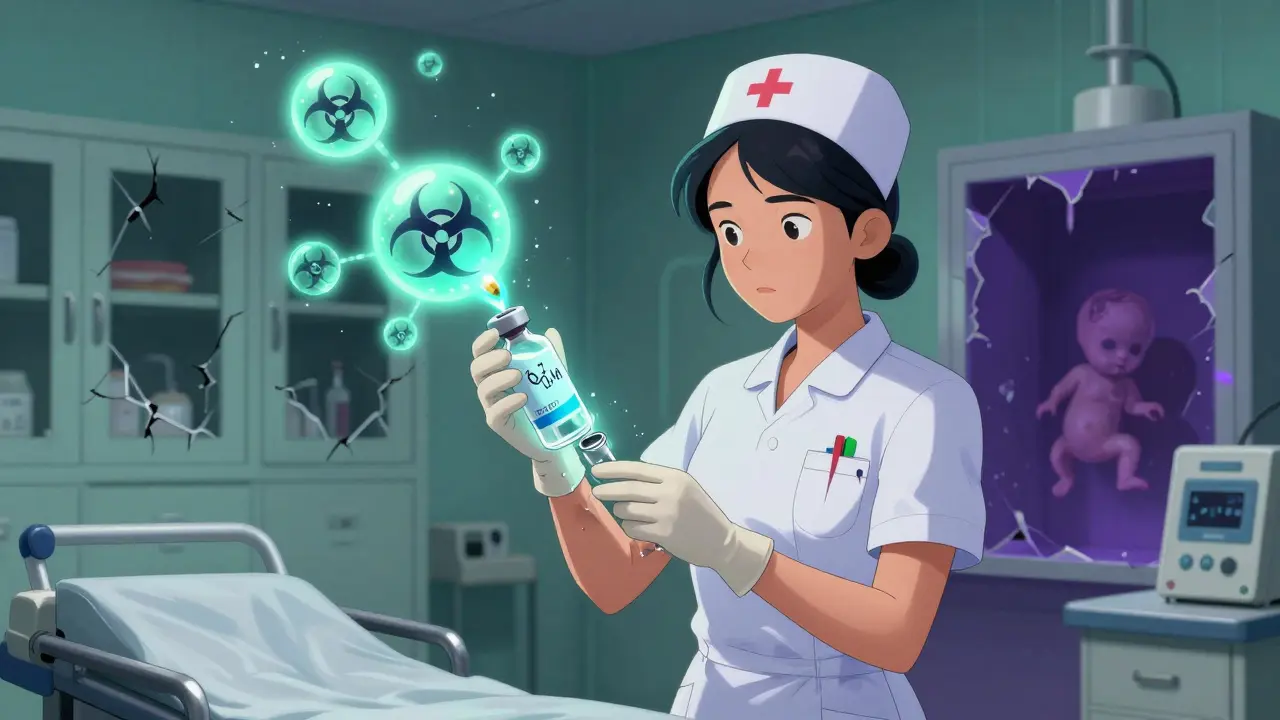
Training, Culture, and the Human Factor
You can have the best equipment in the world, but if your team isn’t trained or doesn’t feel safe speaking up, accidents still happen. Proper training for hazardous drug handling takes 16 to 24 hours initially, plus 4 to 8 hours every year. Yet many facilities rush through it-or skip it entirely. Dr. Margaret Brandt from the University of Cincinnati found that 76% of preventable exposures came down to three things: poor communication, weak safety protocols, and lack of training. Workers who didn’t understand how contamination spreads, or who were afraid to report a spill, were the most at risk. Unionized workplaces saw 22% fewer medication-related incidents than non-unionized ones, according to AFL-CIO data. Why? Because workers had a voice. They could push for better equipment, report unsafe conditions without fear, and demand regular monitoring. It’s not just about rules-it’s about culture. When managers treat safety as an afterthought, workers notice. When leaders make training mandatory, reward safety behaviors, and listen to frontline feedback, exposure drops.The Cost of Ignoring the Problem
This isn’t just a health issue-it’s a financial one. Occupational medication incidents cost the U.S. economy $4.7 billion every year. That includes $2.1 billion in direct medical costs, $1.8 billion in lost productivity, and $0.8 billion in workers’ compensation claims, according to the National Safety Council. OSHA has started cracking down. In the first quarter of 2024 alone, they issued 147 citations for hazardous drug violations, totaling $1.2 million in penalties. That’s a signal: regulators are watching. And the market is responding. The hazardous drug safety equipment industry is projected to grow from $2.3 billion in 2023 to $3.8 billion by 2028. Meanwhile, new drugs are being approved faster than safety data can keep up. In 2023, 42% of new oncology drugs had no established occupational exposure limits. That means workers are handling drugs with unknown long-term risks.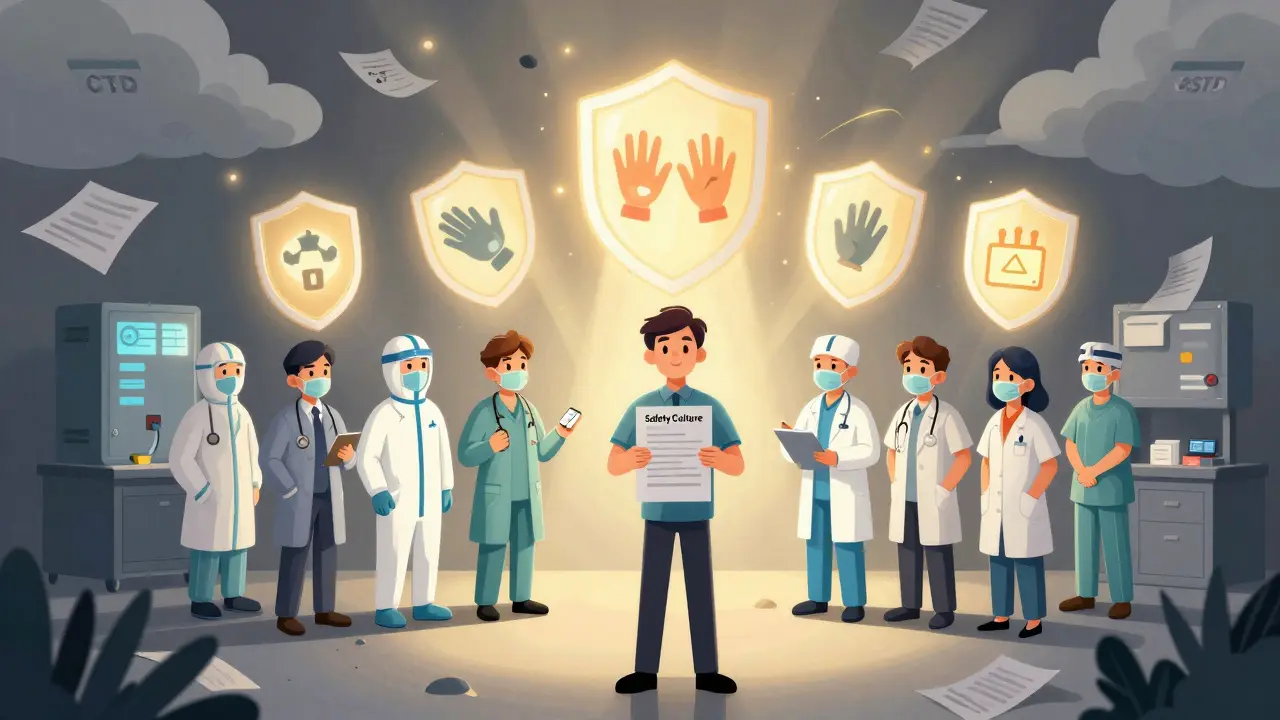
What You Can Do
If you’re on prescription opioids or benzodiazepines:- Talk to your doctor about alternatives with fewer cognitive side effects.
- Never combine opioids and benzodiazepines unless your doctor specifically approves it-and understand the risks.
- If your job involves operating machinery, driving, or working at heights, be honest with your employer. Many can adjust your duties temporarily without penalizing you.
- Know the NIOSH 2024 list. If you’re unsure whether a drug is hazardous, ask your safety officer.
- Always use CSTDs and wear the right PPE-no exceptions.
- Report spills immediately. Don’t clean them up alone unless you’re trained and equipped.
- Push for regular surface contamination testing. If your workplace hasn’t tested in over six months, it’s time to ask why.
- Don’t punish workers for taking prescribed medications unless they’re impaired.
- Invest in CSTDs and proper ventilation. The ROI is clear: fewer injuries, lower insurance costs, better morale.
- Make safety training hands-on, not just a PowerPoint. Let workers practice donning gloves, using CSTDs, and responding to spills.
- Survey your staff. Ask them what’s missing. They’ll tell you.


Edith Brederode
18 January / 2026As a nurse who’s been on gabapentin for years after a car accident, I get it. I used to dread shifts because I’d zone out during med passes. But I talked to my doctor, switched to a non-sedating option, and now I’m safer-and my team notices the difference. 🙌