Vitamin B12 Deficiency: Symptoms, Causes, and What You Need to Know
When your body doesn’t get enough vitamin B12, a crucial nutrient for nerve function and red blood cell production. Also known as cobalamin, it’s not made by the body—you must get it from food or supplements. Without enough, your nerves and blood cells start to suffer, often before you even realize something’s wrong.
Many people with vitamin B12 deficiency, a condition where the body can’t absorb or use enough of this vitamin think they’re just tired or stressed. But the signs are specific: tingling in hands or feet, trouble walking, brain fog, or even mood changes like depression. Older adults, vegans, and people with stomach or intestinal issues are at higher risk. Some can’t absorb B12 because of pernicious anemia, an autoimmune condition that stops the stomach from making the protein needed to absorb B12. Others have gut problems, take acid-reducing drugs long-term, or just don’t eat animal products.
Getting tested is simple—a blood check can show your B12 levels. But here’s the catch: many doctors only test when symptoms are severe. By then, nerve damage might already be happening. That’s why it’s smart to know your risk. If you’re over 50, vegetarian, or take metformin or proton pump inhibitors, don’t wait for exhaustion to hit. Talk to your doctor about checking your levels. Treatment isn’t complicated: injections, high-dose pills, or nasal sprays can fix most cases. The key is catching it before it affects your balance, memory, or energy for good.
The posts below cover real cases, treatment options, and hidden causes you might not know about. You’ll find what actually works to raise B12 levels, how to tell if your supplement is doing anything, and why some people never feel better—even after taking pills for months. No fluff. Just what you need to protect your health.
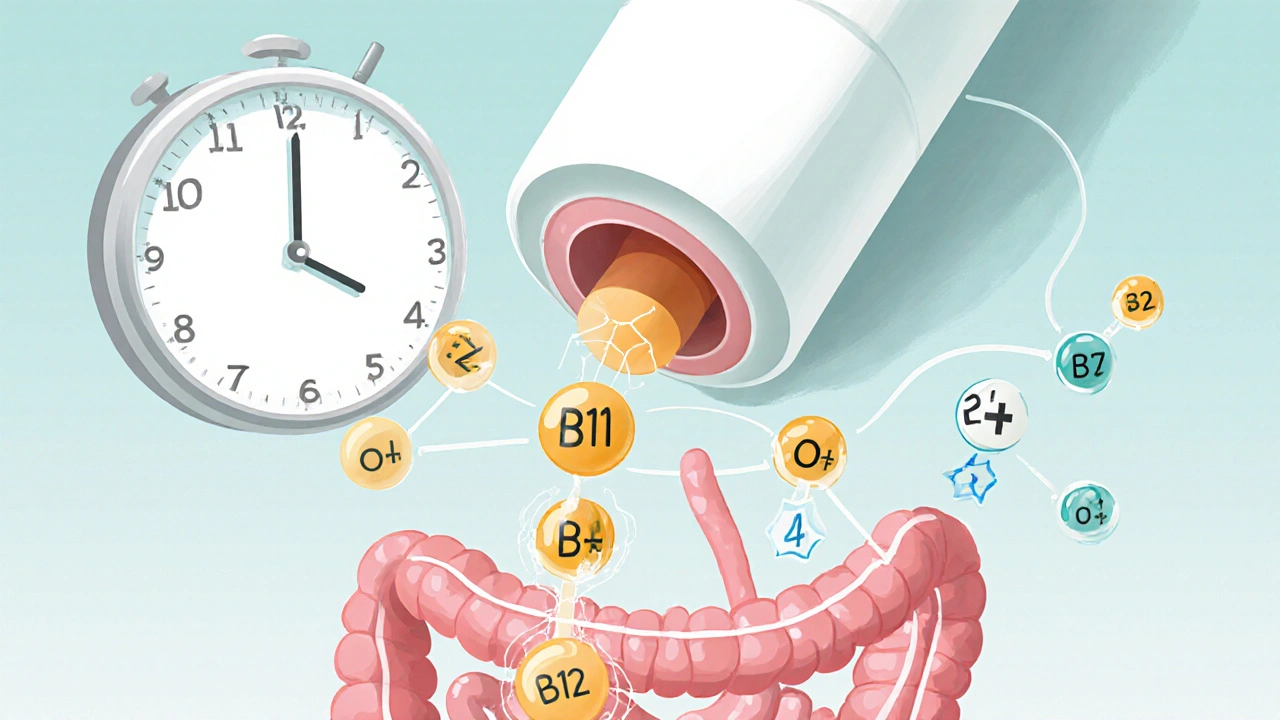
Long-term metformin use can cause vitamin B12 deficiency, leading to nerve damage, fatigue, and memory issues. Learn the signs, who’s at risk, and how to prevent irreversible complications with simple testing and supplements.
View Details