HACE Symptoms: What to Watch For and When to Act
When you’re climbing high, your body struggles to adapt. One serious risk is HACE, High Altitude Cerebral Edema, a life-threatening swelling of the brain caused by low oxygen at high elevations. Also known as high altitude cerebral edema, it’s not just a bad headache—it’s your brain flooding with fluid because it can’t get enough air. HACE doesn’t come out of nowhere. It usually follows worsening altitude sickness, like severe headache, nausea, and dizziness that won’t go away. If you ignore those signs, HACE can sneak up fast—sometimes in under 24 hours.
People often mistake HACE symptoms for just being tired or drunk. But there’s a difference. If you’re at altitude and start stumbling, acting confused, talking incoherently, or can’t walk in a straight line even when you’re not drunk, that’s not normal fatigue. That’s your brain drowning. You might also lose coordination, feel like you’re in a fog, or see double. Some people get vomiting that won’t stop, extreme drowsiness, or even fall into a coma. These aren’t just "bad days"—they’re emergency signals. HACE can kill in hours if you don’t descend immediately. It’s not rare on peaks above 8,000 feet, especially if you climbed too fast, slept too high, or didn’t hydrate enough.
Who’s most at risk? Anyone ascending too quickly without acclimatizing. But it’s not just elite climbers—tourists on Everest base camp treks, hikers in the Rockies, or even skiers in Colorado have been hit. Age doesn’t matter. Fitness doesn’t protect you. Even people who’ve climbed before without issues can get HACE on the next trip. It’s unpredictable. That’s why knowing the symptoms isn’t optional—it’s survival. And it’s not just about you. If you’re with someone who’s acting strange at altitude, don’t wait. Check them. Ask them to walk heel-to-toe. If they can’t, get them down. Now.
There’s no magic pill for HACE. Oxygen helps, dexamethasone can buy time, but nothing replaces descent. The moment you suspect HACE, you drop. Every minute counts. The posts below cover real cases, prevention tips, how to recognize early signs before it’s too late, and what to pack in your high-altitude kit to stay safe. You won’t find fluff here—just what works when the air gets thin and your body starts failing.
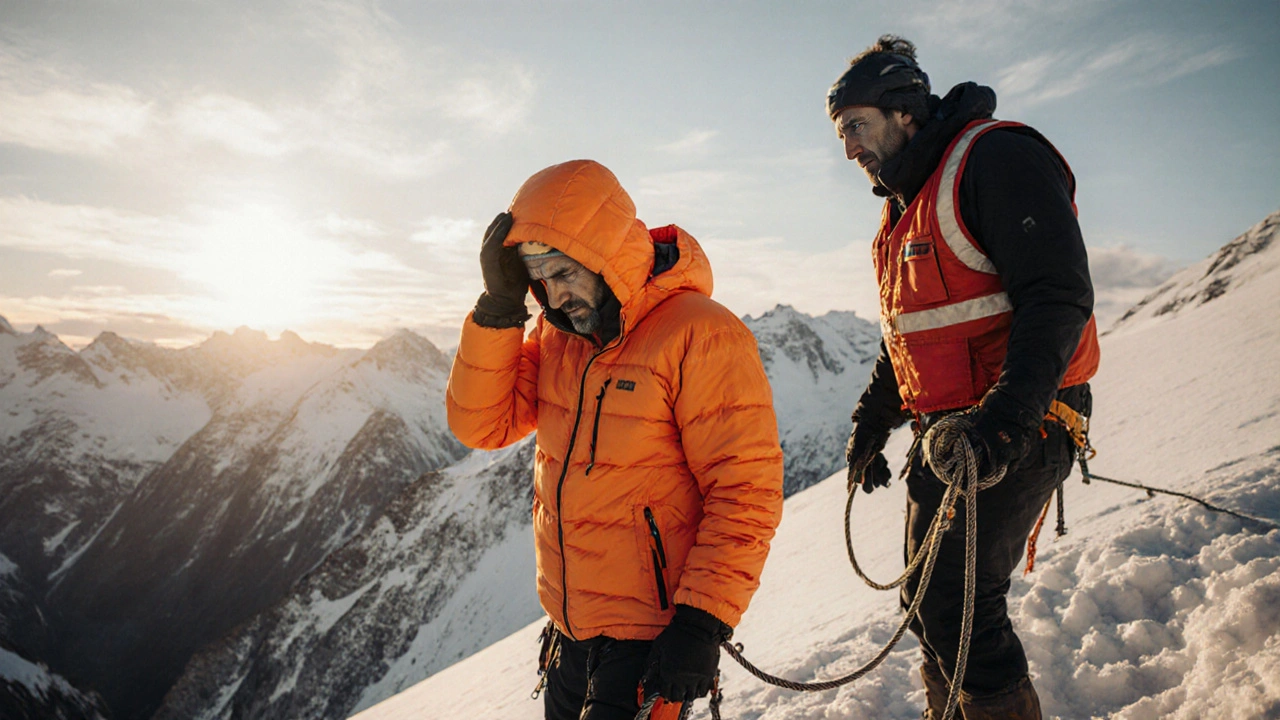
Learn to recognize the life‑threatening signs of High Altitude Cerebral Edema and apply proven treatment steps, from rapid descent to medication and prevention.
View Details